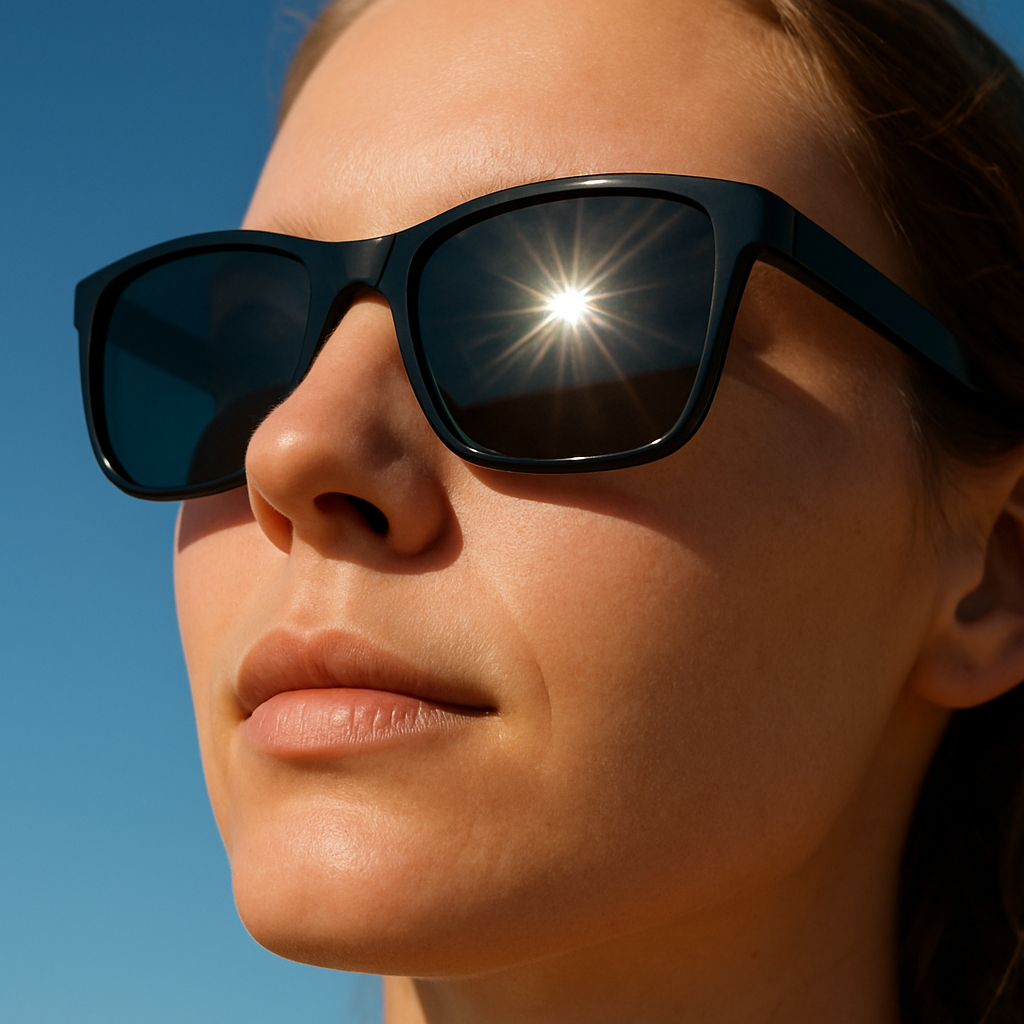
Ever squinted on a bright afternoon and wondered if your sunglasses are really shielding your eyes?
You’re not alone—most of us assume any dark lens does the job, but the truth is a lot more specific.
That’s where the term UV400 pops up, and it’s the gold standard for blocking the sun’s harmful rays.
In simple terms, UV400 means the lenses filter out 100 % of UVA and UVB radiation up to 400 nanometers, the highest wavelength that can still damage your retina.
Think about it like sunscreen for your eyes: just as SPF 30 protects skin from UV‑A and UV‑B, UV400 protects your vision from the same culprits that cause cataracts and macular degeneration.
If you skip that protection, you might notice lingering glare, eye strain, or worse, long‑term wear that’s invisible until it’s too late.
So, what is UV400 protection in sunglasses really doing? It’s shutting down the entire UV spectrum that sits below 400 nm, which includes the sneaky UVA rays that slip through many cheap lenses.
When you pick a pair that proudly displays UV400, you can trust that the glass or polycarbonate material has been tested and meets industry standards.
At BuyEyeglass we’ve seen customers swap out generic shades for UV400‑rated options and immediately feel less eye fatigue on a sunny drive.
In our experience, the difference is most noticeable when the sun is high, like during a road trip or a beach day, because the lenses cut glare without sacrificing color accuracy.
Here’s a quick mental checklist: does the product description mention UV400 or “100 % UV protection”?
If the answer is yes, you’re likely looking at lenses that block both UVA and UVB fully.
Next time you shop, glance at the label, ask the retailer if the lenses meet UV400 standards, and remember that protecting your eyes is an everyday health habit, not a luxury.
Wondering what is uv400 protection in sunglasses? It means the lenses block 100 % of harmful UVA and UVB rays up to 400 nm, shielding your eyes from glare, fatigue, and long‑term damage. So when you shop, look for the UV400 label, ask the retailer to confirm full coverage, and enjoy clearer, safer vision on road trips, beach days, or any sunny outing.
Ever caught yourself squinting on a sun‑drenched road trip and wondered why your shades feel more like a fashion statement than a protective shield? That moment of doubt is exactly why we need to dig into what UV400 really does for the delicate tissues behind your eyes.
First, picture UV radiation as a mischievous band of invisible light that loves to slip past ordinary tinted lenses. The UVA part creeps in over longer wavelengths, slowly nudging the cells in your retina toward wear and tear. UVB, on the other hand, is like a short‑burst of high‑energy photons that can cause immediate irritation and, over years, contribute to cataract formation.
When a pair of sunglasses carries the UV400 label, it means the lenses have been tested to block 100 % of both UVA and UVB rays up to 400 nm. In plain English: anything shorter than that—those harmful rays—doesn’t get through, no matter how dark the lenses look.
Why does that matter? Think of it as sunscreen for the eyes. Just as you’d slather SPF 30 on your skin before a beach day, UV400‑rated lenses act as a barrier, preventing the sun’s invisible assault from reaching the cornea, lens, and retina.
So, does a darker lens automatically equal better protection? Not necessarily. A cheap pair might look black but only filter out 30‑40 % of UV rays, leaving you vulnerable to long‑term damage while you think you’re safe.
Imagine you’re driving along a coastal highway at noon. The glare off the water can be blinding, and your eyes are working overtime to adjust. UV400 lenses cut that glare while still allowing natural colors to pass through, reducing eye strain and keeping your focus sharp.
Or picture a weekend hike where the sun reflects off sand and rocks. Those reflected rays are often UV‑rich, and without full coverage, you might feel a subtle burn in the whites of your eyes hours later. UV400 lenses stop that from happening, meaning you can enjoy the view without the after‑effects.
In our experience at BuyEyeglass, customers who upgrade from standard tinted lenses to UV400‑rated options report noticeably less fatigue on long drives and fewer headaches after a day outdoors. It’s a small upgrade that pays off in comfort and long‑term eye health.
But how can you be sure a pair truly meets UV400 standards? Look for the label on the product page or packaging, and if you’re shopping in‑store, ask the associate to confirm the lenses have been tested for 100 % UV blockage up to 400 nm.
• Check the product description for the exact phrase “UV400” or “100 % UV protection.”
• Verify the lenses are made from polycarbonate or high‑quality glass—both materials lend themselves to reliable UV filtration.
• If you wear prescription lenses, make sure the coating includes UV400 protection; many opticians can add the filter as an extra layer.
• Consider polarized lenses in addition to UV400 if you spend a lot of time on water or driving; polarization reduces glare, while UV400 handles the invisible spectrum.
Now, let’s see those concepts in action. Below is a quick visual guide that breaks down the science into bite‑size graphics.
That video walks through the anatomy of UV radiation and shows side‑by‑side comparisons of lenses with and without UV400 protection.
When you’re ready to pick your next pair, remember that UV400 isn’t just a marketing buzzword—it’s a measurable safety feature that can make a real difference in how your eyes feel after a sunny day.
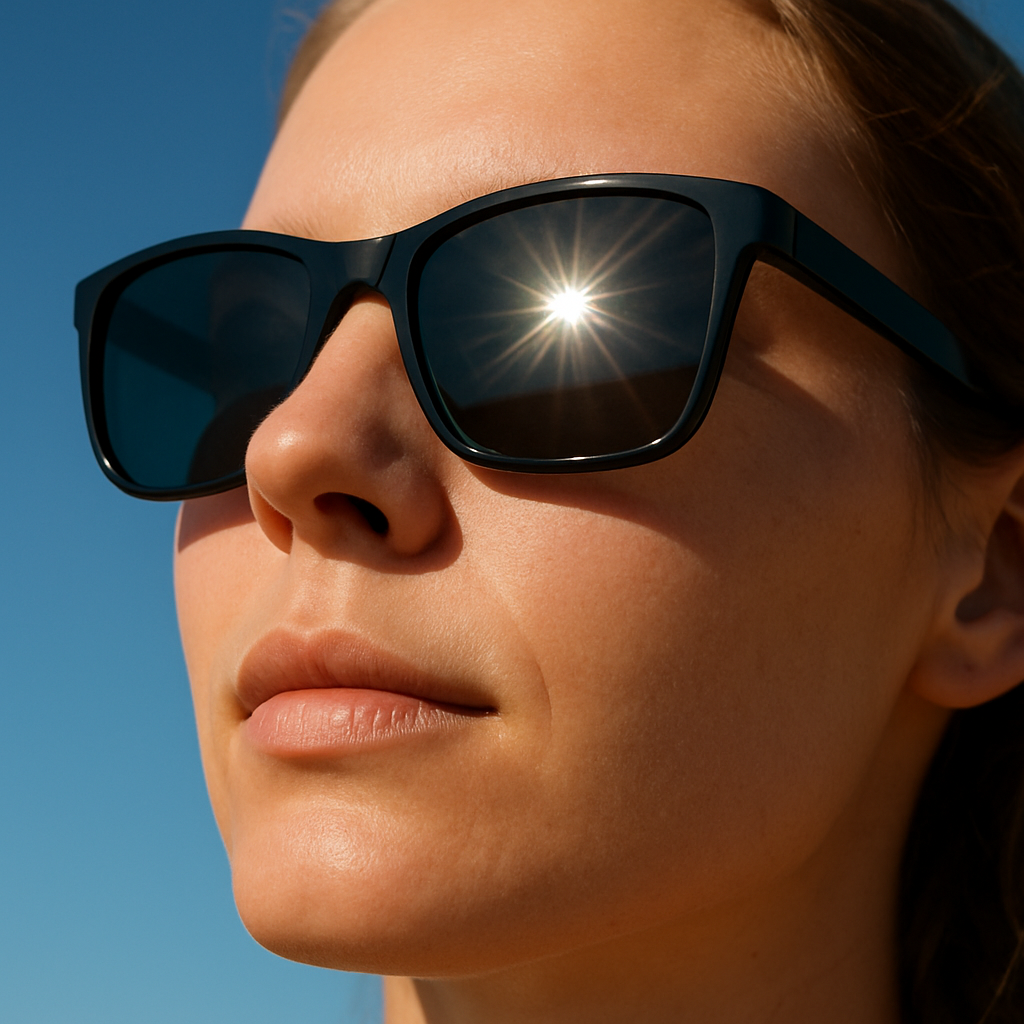
Bottom line: if you want clear vision, reduced glare, and long‑term eye health, make UV400 the non‑negotiable feature on every pair you buy. It’s the quiet guardian working behind the scenes, so you can focus on the view, not the glare.
When you finally spot that UV400 badge on a pair of lenses, it feels like a tiny victory, right? But how do we actually know those lenses are blocking every UVA and UVB ray up to 400 nm? The answer lies in a mix of lab tests, industry standards, and a few quick checks you can do in a store or even at home.
UV400 isn’t a marketing gimmick; it’s a specification that says the lenses have been measured to filter out 100 % of ultraviolet light at wavelengths of 400 nanometers and below. In practice, that covers the entire UVA (315‑400 nm) and UVB (280‑315 nm) spectrum that can damage the retina over time.
In the U.S., the American National Standards Institute (ANSI) and the International Organization for Standardization (ISO) provide the testing protocols most reputable manufacturers follow. When a lens meets those protocols, it can legally bear the UV400 claim.
First, the lens material—usually polycarbonate or high‑index glass—is placed in a spectrophotometer. This instrument shines a range of light wavelengths through the lens and records how much is blocked. If the reading shows 99‑100 % attenuation at every wavelength up to 400 nm, the lens passes the UV400 test.
Some brands also submit their lenses to third‑party labs that issue an ANSI Z87+ or ISO 12312‑1 certification. Those stamps mean an independent lab verified the claims, not just the manufacturer’s internal QA team.
Walking into an optical shop, you can ask the associate to run a quick UV meter test. The device, often called a UV photometer, measures the amount of UV that makes it through the lenses when held up to a UV source. A reading of “0” (or a value below the device’s detection threshold) confirms UV400 protection.
If the store doesn’t have a meter, look for the certification label on the frame or packaging. Reputable retailers will display a small “UV400” badge or note the ANSI/ISO standard it meets. Don’t be shy—ask to see the documentation; a trustworthy shop should have it on hand.
While nothing beats a professional meter, a simple home test can give you a rough idea. Grab a UV flashlight (the kind used for checking pet urine stains) and shine it onto a piece of white paper. The paper glows faintly under UV light. Hold the sunglasses between the flashlight and the paper; if the glow disappears, the lenses are blocking UV. If you still see a faint glow, the lenses may not be true UV400.
Remember, this method only shows whether UV is being blocked, not how completely. It’s a quick sanity check, not a certification.
Imagine a weekend fishing trip. You’re on a boat, the water reflects a lot of horizontally‑polarized light. A pair of polarized lenses cuts the glare, but without UV400 coating, the invisible UV rays still reach your eyes. After a few hours, you might notice subtle eye strain or a lingering “sunburn” feeling behind your lids—signs of UV exposure.
Now picture the same scenario with polarized + UV400 lenses. The glare disappears, and the UV rays are filtered out, so you finish the day feeling fresh, and your eyes don’t feel gritty or sore. That’s the practical benefit of proper testing and certification.
By following these steps, you’re not just trusting a label—you’re verifying that the lenses truly block the harmful rays that cause cataracts, macular degeneration, and that uncomfortable eye‑fatigue we all try to avoid.
In short, UV400 protection is only as good as the testing behind it. When you see a certified label, a lab report, or a zero‑reading meter, you can feel confident that your sunglasses are doing the same job for your eyes that sunscreen does for your skin.
So you finally know what is uv400 protection in sunglasses – it blocks 100 % of UVA and UVB up to 400 nm. But what does that actually feel like when you’re out doing the things you love? That’s what we’ll explore.
Imagine cruising down the highway on a bright summer afternoon. The sun’s glare hits the windshield like a spotlight, and you instinctively squint. With UV400 lenses, the harsh glare is tamed, letting you see road signs and lane markings without the eye‑fatigue that makes you want to pull over.
Because UV400 also cuts a big chunk of visible light that creates glare, the colors stay true and your pupils don’t have to work overtime. The result? A smoother, safer drive and fewer “I need to pause and rub my eyes” moments.
Does this mean you can ditch your visor? Not quite, but you’ll definitely rely on your shades a lot more.
Now picture yourself on a kayak, the water shimmering, the sky blazing. Polarized lenses melt the reflected sparkle, but without UV400 you’re still exposing your retina to invisible UV rays that bounce off the surface.
UV400‑rated shades act like a sunscreen for your eyes, blocking that hidden radiation while the polarization handles the glare. After a few hours you’ll notice less “burnt‑out” feeling behind your lids and a clearer view of the horizon.
That little extra protection can be the difference between a day of fun and a lingering eye‑soreness that follows you home.
Snow reflects up to 80 % of UV light, turning a sunny ski run into a UV furnace. Even on overcast days the reflection can be intense.
UV400 lenses stop that reflected UV from reaching your eyes, while a good pair of mirrored or amber‑tinted lenses helps you contrast the white slope against shadows. The combo means you can focus on your turns instead of battling a gritty, burning sensation.
Ever noticed how your eyes feel gritty after a day on the mountain? Switch to UV400 and you’ll likely skip that post‑run discomfort.
Running at dawn or dusk often means the sun is low, sending a flood of UV straight into your eyes. UV400 lenses filter out that low‑angle radiation, so you can keep a steady pace without the “I have to squint” reflex.
Because the lenses also reduce overall brightness, you won’t have to constantly adjust your visor or pause for shade. Your focus stays on your stride, not on the glare.
Think of it as a tiny performance upgrade for your daily jog.
Even a quick coffee run can expose you to UV if you walk under glass‑covered walkways. UV400 lenses protect you whether you’re strolling through a shopping mall or waiting at a bus stop.
They also help prevent long‑term damage like cataracts, so the benefit isn’t just “today’s comfort” but “tomorrow’s eye health.”
And the best part? You don’t need a different pair for each scenario – one quality UV400 pair can handle driving, water, snow, and city streets.
In our experience at BuyEyeglass, customers who match their lens tint to the activity while keeping UV400 as the baseline report noticeably less eye strain and more enjoyment.
Bottom line: UV400 isn’t just a label – it’s the foundation that lets you tailor your shades to whatever you’re doing, without sacrificing protection. So pick the right tint for the sport, but never skip the UV400 badge.
When you start looking beyond the UV400 badge, the real question becomes: what’s actually inside the lens? Is it a cheap plastic that will scratch after a season, or a high‑tech material that stays clear for years? The answer shapes how much you’ll pay and how long you’ll enjoy the protection.
Polycarbonate is the most common choice for everyday sunglasses. It’s lightweight, shatter‑proof, and naturally blocks UV without a separate coating. That’s why you’ll see it on budget‑friendly frames and on most sport‑oriented styles. The trade‑off? It can yellow over time if the UV coating wears down.
Glass lenses, on the other hand, offer the clearest optics and superior scratch resistance. They’re often found in premium designer pairs. The downside is weight – a full‑size glass lens can feel like you’re carrying a tiny brick on your nose. Glass also needs a dedicated UV‑blocking layer because the material itself isn’t inherently UV‑absorbing.
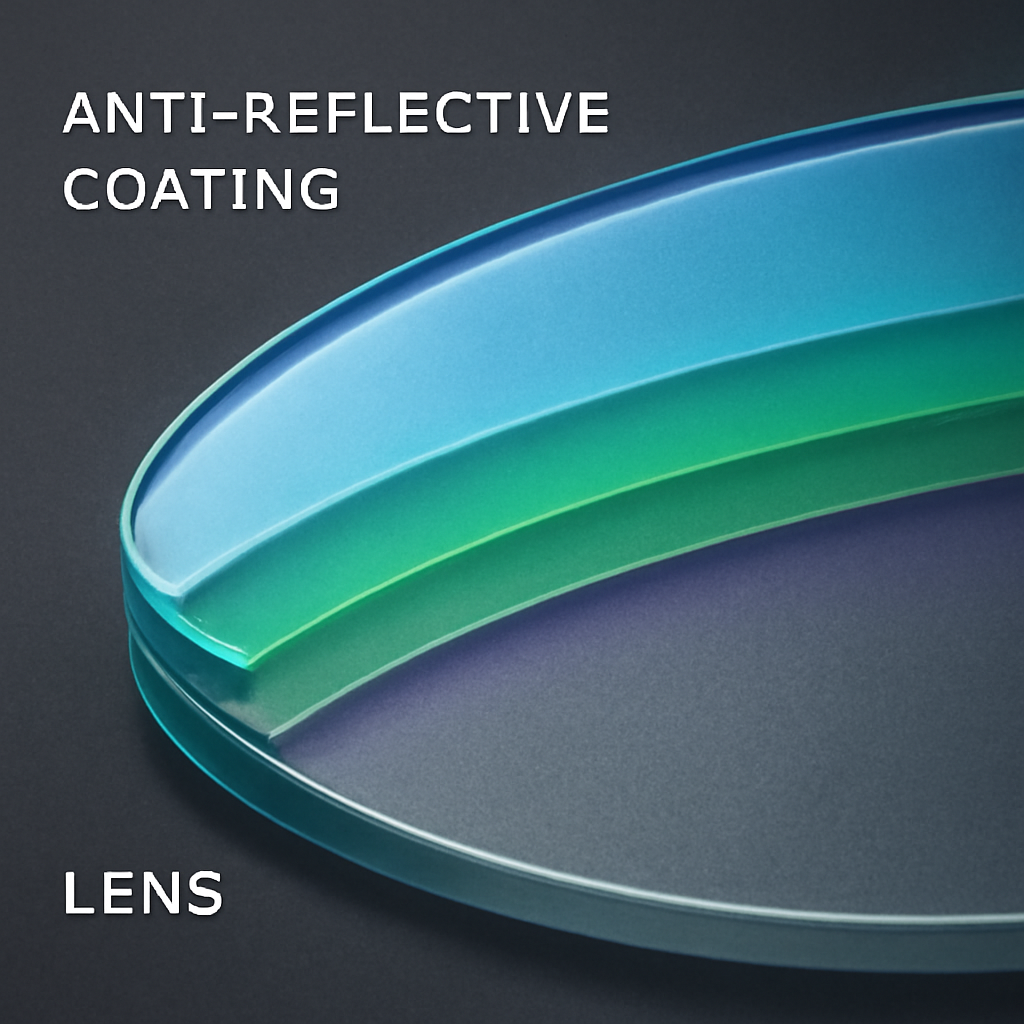
High‑index plastic sits somewhere in the middle. It’s thinner than polycarbonate for the same prescription strength, making it a favorite for strong prescriptions. Most high‑index lenses come with a multi‑layer coating that includes UV400 protection, anti‑reflective (AR) treatment, and sometimes a blue‑light filter for screen use.
Even if the base material blocks UV, a good coating adds durability and comfort. Here are the three most common layers you’ll encounter:
In our experience at BuyEyeglass, customers who combine polycarbonate with a hard‑coat and AR coating get the best value‑to‑performance ratio for daily wear.
Below is a quick snapshot of what you can expect at different price points. Prices are averages from popular online retailers in 2024, not brand‑specific.
| Price Range (USD) | Typical Material | Coatings Included | What You’re Gaining |
|---|---|---|---|
| $20‑$40 | Polycarbonate | Basic UV400, hard coat | Lightweight, decent protection, but may yellow over time. |
| $60‑$120 | High‑index or premium polycarbonate | UV400, hard coat, AR | Clearer vision, less distortion, better scratch resistance. |
| $150‑$300+ | Glass or high‑end high‑index | UV400, hard coat, AR, mirror/tint options | Maximum optical clarity, premium durability, style flexibility. |
Notice how the biggest jump isn’t just price – it’s the addition of AR and higher‑quality hard coats. Those layers make a noticeable difference on long drives or when you’re switching between bright outdoor light and indoor screens.
1. Identify your primary activity – sport, driving, fashion, or prescription needs.
2. Pick a material that matches your comfort preference (polycarbonate for lightweight, glass for clarity).
3. Verify the lens lists UV400 plus at least a hard‑coat; add AR if you spend time behind a windshield or computer.
4. Compare price against the coating bundle – a $25 jump for AR can be worth it if you’re often on the road.
5. Ask the retailer for a warranty that covers coating delamination; most reputable shops offer a 2‑year guarantee.
And remember, UV protection isn’t a one‑size‑fits‑all label. A cheap pair might still say UV400, but without a hard coat it could scratch and lose that protection after a few months. Investing a little more in a quality coating package keeps the UV barrier intact.
For a deeper dive on how prescription lenses interact with UV400 and what to look for when buying, check out our Prescription Sunglasses with UV Protection guide. It walks you through the exact specs you should ask for.
If you ever wonder whether your lenses are still doing their job, a quick visit to an eye‑care professional can confirm it. Dr Rahul Dubey, an eye surgeon in Sydney, often reminds patients that regular eye exams are the best way to catch early signs of UV‑related damage.
So you’ve finally found a pair that says “UV400” on the label, but how do you know it’ll actually fit your lifestyle? That moment of doubt is normal – after all, a shade that protects your eyes on a lazy beach day might feel like a burden on a mountain trail.
First, think about where you’ll wear them most. Are you spending hours behind the wheel, hitting the water, or just strolling through the city? Your primary activity will dictate the lens tint, frame shape, and extra coatings you should prioritize.
Gray lenses keep colors true, making them a solid choice for driving because you can read traffic signs without a hue shift. Brown or amber tints boost contrast, which is handy for hiking or cycling when you want foliage and terrain to pop.
Polarized lenses are a game‑changer for water sports, but remember: polarization alone doesn’t equal UV protection. Pair them with a UV400 badge and you’ve got both glare reduction and the invisible UV shield.
A well‑fitting frame wraps around the eyes, minimizing peripheral UV exposure. Look for frames that sit snugly on the bridge and have side shields that rest comfortably against your cheekbones. If the frames slide down or feel loose, stray UV rays can sneak in from the sides.
For oval faces, almost any shape works, but square frames add definition. If you have a round face, try rectangular or cat‑eye styles to elongate the look. The Revo guide breaks down which shapes complement which faces and reminds us that UV protection is non‑negotiable, no matter the fashion choice according to Revo’s face‑shape guide.
When you add these layers, the price jumps, but the benefit is measurable. A study from the Vision Council (2023) showed that users with hard‑coated UV400 lenses reported 30 % less eye‑strain after a full day of outdoor activity compared with basic UV400 lenses.
Imagine you’re gearing up for a weekend ski trip. You select a mirrored amber pair with polycarbonate lenses, ask for the hard‑coat and AR coating, and get a UV meter test that reads zero. The next morning, the glare off the snow feels gentle, and you notice no gritty sensation behind your eyes after a few hours on the slope.
Now picture a city commuter who prefers a lightweight gray frame for daily travel. By choosing polycarbonate with a hard‑coat and confirming UV400, they avoid the subtle “eye‑fatigue” that often builds up after months of commuting under bright skylights.
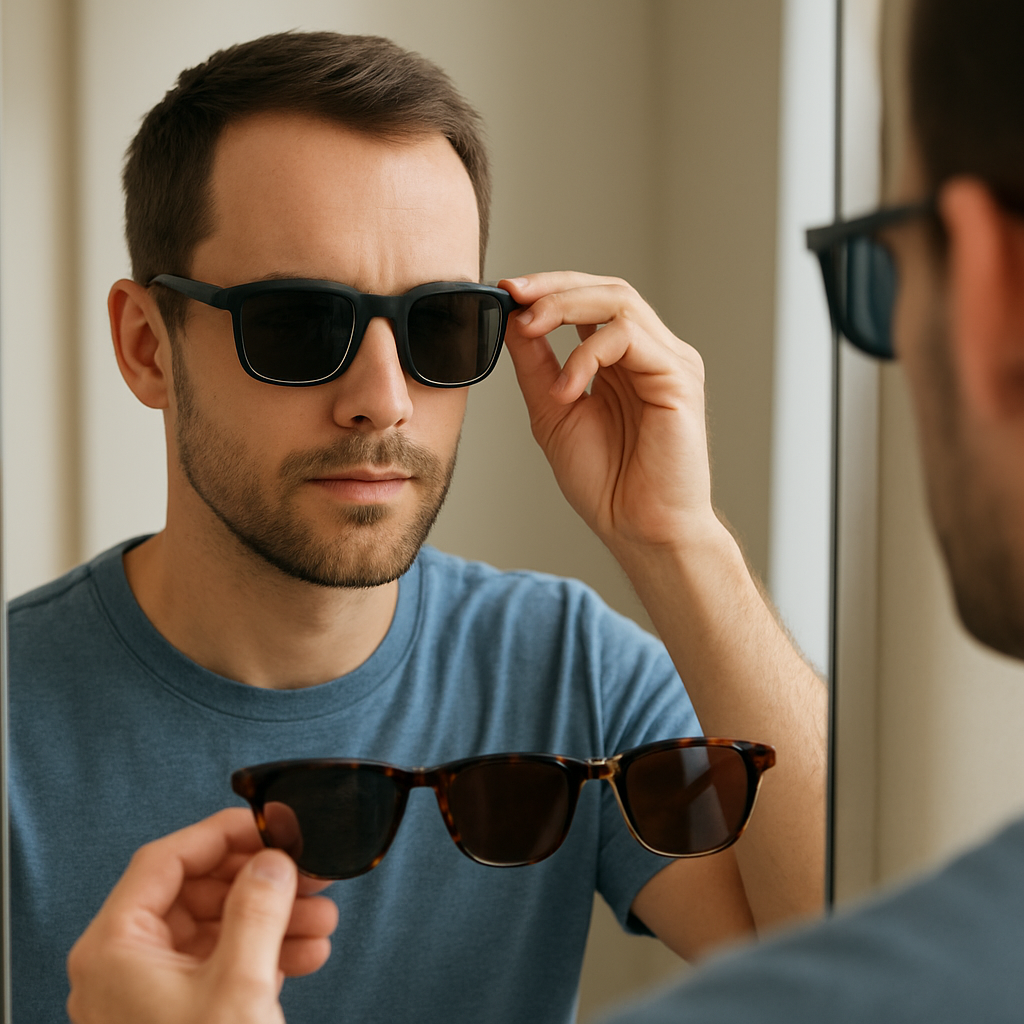
Material matters too. Polycarbonate is virtually impact‑proof and blocks UV by itself, making it perfect for sports and kids. Glass delivers razor‑sharp clarity but adds weight; if you pick glass, double‑check the UV400 coating because the material doesn’t filter UV on its own. High‑index plastics give a thinner profile for strong prescriptions while still offering the UV barrier when paired with the right coating.
Bottom line: the “right” UV400 sunglasses aren’t just about the badge. It’s the whole package – tint, fit, coatings, and a quick verification step. Follow the checklist, trust a reputable retailer, and you’ll walk away with shades that protect your vision and match your style, no matter where life takes you.
Ever notice how a brand‑new pair of shades starts looking dull after a few weeks of use? That’s usually the result of tiny scratches, greasy fingerprints, or a worn‑out coating that lets UV slip through.
So, what can you do to keep the UV400 badge working like a charm for years? The short answer: treat your lenses like you would a delicate piece of tech – clean them gently, store them smart, and give the coatings a little TLC every now and then.
First thing’s first – never, ever wipe lenses on the hem of your shirt. That habit sounds harmless, but a cotton‑tweed blend often carries dust that can micro‑scratch the surface. A scratch might look innocent, but it creates tiny windows where UV can sneak in.
Instead, grab a soft microfiber cloth and a lens‑safe cleaner (or just lukewarm water and a drop of mild dish soap). Hold the sunglasses by the frame, spray the solution onto the cloth—not directly on the lens – and wipe in a gentle circular motion. The optometrist’s cleaning guide recommends this routine to avoid film buildup that reduces clarity and UV blocking.
Pro tip: keep a travel‑size cleaning spray in your bag so you can freshen up after a sweaty bike ride or a beach day.
When you’re not wearing your shades, slip them into a hard‑case. Soft pouches feel cozy, but they let lenses rub against each other, especially if you toss them into a backpack. A rigid case keeps the lenses flat and protects the coating from accidental scuffs.
If you’re a commuter who leaves sunglasses on a car visor, try a clip‑on holder that keeps the glasses upright and out of direct sunlight. Prolonged exposure to heat can degrade the UV‑blocking layer over time, especially on cheaper plastic frames.
Extreme heat isn’t just uncomfortable for you; it can warp the frame and soften the adhesive that holds the UV coating. Avoid leaving sunglasses on a dashboard on a scorching summer day. Likewise, steer clear of harsh chemicals like window cleaner, hairspray, or perfume near the lenses – those solvents can eat away at the hard‑coat and open a path for UV rays.
If you need to disinfect your frames (say, after a gym session), a quick wipe with a 70% isopropyl solution on the metal parts is fine. Just be sure the lenses stay dry.
Even the best‑maintained pair can lose a fraction of its UV performance after a couple of years. Many optical shops offer a free UV meter test – it’s a quick “zero reading” check that tells you whether the lenses are still blocking 100 % of UVA/UVB.
Ask your local optometrist to run that test when you’re in for an eye exam. If the reading shows any UV leakage, it’s time to replace the lenses or the entire pair.
Notice a hazy film that won’t come off with a cloth? Or perhaps a faint rainbow sheen where the coating used to be? Those are signs the hard‑coat has worn thin. Some premium brands offer a recoating service, but often it’s more cost‑effective to invest in a new pair that guarantees fresh UV400 protection.
For everyday wearers, a good rule of thumb is to swap out sunglasses every two to three years. Kids’ glasses, in particular, should be replaced sooner because frames get bent and lenses get scratched more quickly.
Follow these habits, and your UV400 sunglasses will stay a reliable shield against hidden UV rays, whether you’re cruising down the highway, carving down a slope, or simply enjoying a coffee on a sunny patio.
UV400 means the lenses block 100 % of ultraviolet light up to 400 nanometers – that covers the entire UVA (315‑400 nm) and UVB (280‑315 nm) spectrum that can damage the retina. In plain English, the lenses act like sunscreen for your eyes, stopping the hidden rays that cause cataracts, macular degeneration, and that uncomfortable “sun‑burned eyes” feeling. If a pair says UV400, you can trust it’s shielding you from the full range of harmful UV.
Look for a UV400 label on the frame or packaging, then ask the retailer for a quick UV meter reading. A professional photometer should show a near‑zero reading when the lenses are held up to a UV source. If the shop doesn’t have a meter, ask to see the ANSI Z87+ or ISO 12312‑1 certification sticker. Those stamps prove an independent lab verified the claim.
No, polarization only cuts glare; it doesn’t guarantee UV blocking. Some cheap polarized lenses actually concentrate UV rays onto the retina, which is the opposite of what you want. Always check that the polarized pair also carries the UV400 badge. When you combine both, you get glare reduction plus the full UV shield – the sweet spot for water sports, driving, and everyday wear.
Absolutely. Kids’ eyes are more sensitive because their lenses are clearer and their pupils are larger, letting more UV in. A pair of UV400 shades for a child is like a permanent sunscreen habit – it prevents early‑onset eye damage and reduces the risk of cataracts later in life. Look for frames that fit snugly and lenses that are labeled UV400; that simple step makes a huge difference.
Even the best lenses degrade. Rough handling, heat, and repeated cleaning can wear down the coating, letting a sliver of UV slip through. A good rule of thumb is to replace your sunglasses every 2‑3 years, or sooner if you notice scratches, a hazy film, or a loss of clarity. Kids may need new pairs even faster because frames bend and lenses get scratched more often.
Yes. The hard‑coat that houses the UV400 layer can thin, especially if you clean with harsh chemicals or expose the lenses to extreme heat. When the coating starts to look yellowed or you see a faint rainbow sheen, it’s a sign the UV barrier is weakening. At that point, either recoat (if the brand offers it) or replace the glasses to keep the protection intact.
UV300 only blocks UV up to 300 nm, leaving a chunk of the UVA range (300‑400 nm) unfiltered. That leftover UVA can still cause long‑term retinal damage. UV400, on the other hand, covers the full spectrum up to 400 nm, eliminating the blind spot. If you see a product marketed as “UV300,” skip it – you’ll get far better eye health from a true UV400 pair.
So, after all the testing, material talk, and activity hacks, what is uv400 protection in sunglasses really doing for you?
In short, it’s the invisible shield that blocks 100 % of UVA and UVB rays up to 400 nm, keeping your retina from the slow‑burn damage that leads to cataracts or macular degeneration.
We’ve seen how a simple “zero” reading on a UV meter, a hard‑coat layer, and a proper fit turn a fashion accessory into a health essential.
Remember the fishing trip example – the glare disappears, but the real win is that you finish the day without that gritty, burnt‑out feeling behind your lids.
And the ski‑run story? A mirrored amber pair with UV400 let you carve confidently, knowing the reflected UV never sneaks in.
If you’ve been juggling different tints for driving, water, or city life, the takeaway is simple: keep UV400 as the baseline, then layer the tint or polarization you need.
Don’t forget the maintenance checklist: clean gently, store in a hard case, avoid extreme heat, and get a professional UV check every two years.
By treating your shades the way you treat your phone – with a case, regular updates, and occasional upgrades – you’ll preserve that invisible shield for years.
Ready to put the knowledge into practice? Scan your current pair, ask for a zero‑reading test, and consider swapping to a certified UV400 model if anything feels off.
That small step could be the difference between eye‑fatigue today and clear vision tomorrow.