Ever squinted at the sun while trying to read a street sign, only to wish your glasses could double as sunglasses? Yeah, we’ve all been there—especially if you rely on prescription lenses every day. The good news is you don’t have to choose between clear vision and protecting your eyes from harmful UV rays.
Prescription sunglasses with UV protection give you that seamless blend of style, comfort, and safety. Think of them as the Swiss‑army knife of eyewear: they correct your vision, shield you from 99‑100% of UVA/UVB radiation, and still look good enough to wear on a beach day or a coffee run.
Take Jenna, a freelance photographer who spends hours outdoors chasing light. She swapped her regular glasses for a pair of prescription sunnies and instantly noticed less glare on her camera screen and fewer headaches after long shoots. Or Mike, a commuter who drives a 30‑minute route each morning; his new UV‑blocking lenses cut down on eye fatigue, making his commute feel less like a marathon.
So, how do you pick the right pair? First, verify the lenses are truly UV‑protected—look for a label that says “100% UV protection” or “UV400.” Next, consider lens material: polycarbonate is lightweight and impact‑resistant, perfect for active folks. Finally, think about frame fit; a snug but comfortable fit prevents light from leaking around the edges.
We’ve compiled a handy guide that walks you through these steps and even highlights budget‑friendly options. If you’re watching your wallet, check out our roundup of affordable choices that don’t skimp on protection or style. Affordable Prescription Sunglasses Online: 6 Top Picks for Budget‑Friendly Vision showcases styles that keep your eyes safe without breaking the bank.
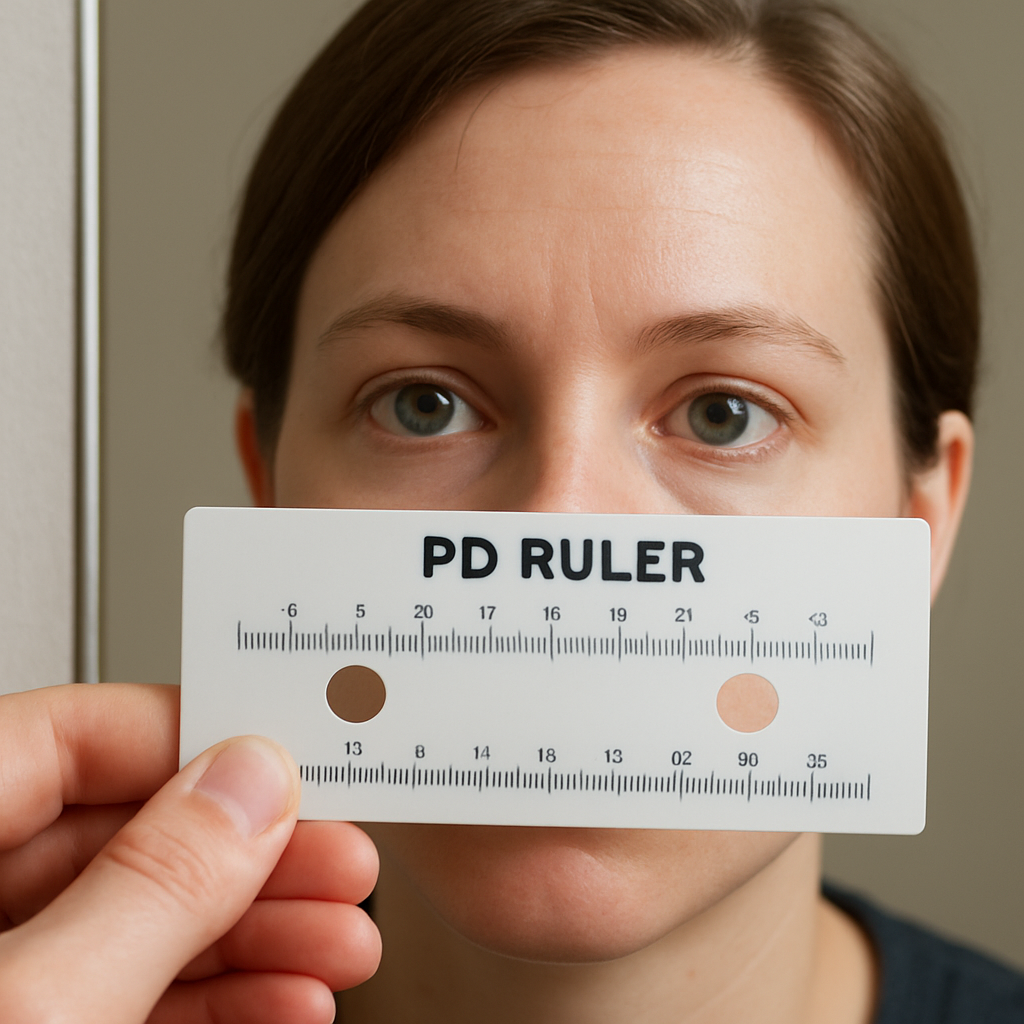
Ready to upgrade? Start by measuring your pupillary distance (PD) at home—just hold a ruler against a mirror and note the distance between the centers of your pupils. Then, browse our curated list, pick a frame that feels right, and enjoy clearer, safer sight wherever the sun takes you.
Prescription sunglasses with UV protection give you crystal‑clear vision while blocking harmful rays, so you can drive, hike, or work outdoors without eye strain or headaches.
Follow our quick guide to verify UV400 labeling, choose lightweight polycarbonate lenses, and measure your pupillary distance for a comfortable, stylish fit that safeguards your eyes all day.
When you first glance at the label on a pair of prescription sunglasses, you might think “UV400 – that’s all I need,” but underneath that simple tag lies a whole set of standards that determine how well your eyes are really protected.
In the U.S., the FDA requires that any eyewear marketed as providing UV protection must block at least 99 percent of both UVA (315‑400 nm) and UVB (280‑315 nm) rays. The shorthand “UV400” simply means the lens blocks light up to 400 nm, which covers the entire harmful spectrum. If a lens says “UV‑protected” without the “400,” it could still let a sliver of UVA through, and that’s where trouble starts.
So, how can you tell if the lenses you’re eye‑balling actually meet the standard? First, look for a stamped label on the lens itself or a certification tag on the frame. Reputable manufacturers often embed the UV rating directly into the lens coating, making it invisible to the naked eye but visible under a UV flashlight. If you don’t see any marking, ask the retailer for the certification sheet – they should have a document showing compliance with ANSI Z80.3 or ISO 12312‑1.
But what about the difference between “UV400” and “100 % UV protection”? Technically, “UV400” is a specific wavelength cutoff, while “100 % UV protection” is a marketing claim that the lens blocks every photon in the UVA/UVB range. The safest bet is to look for both phrases together; that usually means the lens has been tested in a lab and meets the stricter ISO standard.
A quick test you can do at home (though it’s not a substitute for lab data) is to hold the lenses up to a bright LED screen. Genuine UV‑blocking material will appear slightly darker than clear plastic because the coating absorbs more light. If the lenses look completely clear, you might be dealing with a counterfeit pair.
Now, why does this matter for prescription sunglasses? Imagine you’re on a long drive and the sun is low on the horizon. UVA rays penetrate deeper into the eye and can contribute to cataracts, while UVB accelerates surface damage like photokeratitis. Without proper protection, even a pair of prescription lenses that correct your vision can become a conduit for those harmful rays, leading to eye strain, headaches, or worse over time.
Let’s talk about the role of lens material. Polycarbonate lenses are naturally UV‑absorbing – they block about 90 % of UV out of the box, and most manufacturers add an extra coating to push that to 100 %. Trivex is similar, while high‑index plastic often needs a dedicated UV coating. If you’re buying lenses made from glass, be aware that glass blocks virtually all UV, but it’s heavier and more fragile.
A good rule of thumb is to match the material with your lifestyle. If you’re a cyclist or a hiker, lightweight polycarbonate with a hardened anti‑scratch coating is a win‑win. If you spend most of your day behind a desk and only need occasional outdoor wear, high‑index lenses with a UV coating can keep the weight down while still offering full protection.
For those who wonder whether a prescription sunglass can be polarized and still meet UV standards, the answer is yes. Polarization is a separate optical filter that reduces glare; it doesn’t interfere with UV blocking. In fact, many of the top polarized styles we recommend on BuyEyeglass combine both features for maximum comfort.
If you need a trusted voice on what to look for, Dr. Dubey’s eye‑care blog breaks down the science in plain language. You’ll find a handy checklist that mirrors what we just covered, making it easier to spot red flags when you shop online.
Athletes looking for performance‑boosting gear often browse XLR8Well for recovery tools, but they also publish articles on optimal eye protection for outdoor training. Their guide emphasizes the importance of pairing UV400 lenses with a snug fit to prevent peripheral light leak.
And if you’re someone who struggles with night‑time glare after a day in the sun, Sleepmaxx explains how residual UV exposure can affect circadian rhythms and why wearing proper UV‑blocking sunglasses even on overcast days can improve sleep quality.
Seeing the standards in action helps demystify the jargon. In the video above, the presenter walks through a real‑world comparison of lenses with and without UV400 coating, using a simple UV flashlight test you can replicate at home.
Bottom line: a pair of prescription sunglasses that truly meet UV400 and 100 % UV protection standards is an investment in your long‑term eye health. Check the label, verify the material, and don’t hesitate to ask for the certification sheet. When you’ve got those boxes checked, you can enjoy the outdoors without squinting, headaches, or worrying about hidden UV damage.
Ever stood in the aisle, staring at a wall of lens options and thought, “Do I really need to know the difference?” Yeah, we’ve all been there—especially when you’re trying to pair clear vision with solid UV protection.
What matters is how the material handles three things: impact resistance, optical clarity, and weight. The right mix keeps your eyes safe, your prescription sharp, and your face comfortable all day long.
Polycarbonate lenses are lightweight, shatter‑resistant, and naturally block 100% of UV rays. If you bike, hike, or just don’t want a heavy front‑end, this is the material that feels almost invisible on your nose.
One thing to watch: polycarbonate can be a bit more prone to scratches, so a hard coating is a smart add‑on. In our experience, most brands that sell prescription sunglasses with UV protection include that coating by default.
Trivex started life as a material for helicopter windshields, so it’s tough, light, and offers slightly better optical clarity than polycarbonate. If you need impact resistance but also crave a clearer view for reading signs while driving, Trivex is worth a look.
It still delivers full UV400 protection, and many opticians recommend it for kids because it won’t crack if a toddler drops the glasses.
Glass lenses give the highest optical clarity and excellent scratch resistance. They’re a classic choice for drivers who want razor‑sharp vision on the road.
But glass is heavier and can shatter under a hard impact, so it’s less ideal for sports or all‑day wear. If you’re willing to trade a bit of weight for pristine image quality, ask your optician about a thin glass option.
Got a strong prescription? High‑index lenses bend light more efficiently, meaning you get a thinner, lighter lens without sacrificing UV protection. They’re perfect when you don’t want “coke‑bottle” thickness.
Keep in mind that high‑index materials can sometimes have a slight “tint” to the edges, which is normal and doesn’t affect UV blocking.
CR‑39 is a solid, affordable plastic that offers good clarity and decent scratch resistance. It’s a sensible pick if you’re watching your wallet but still need 100% UV protection.
Standard plastic lenses are the cheapest, but they’re usually heavier and less impact‑resistant, so they’re best for occasional wear.
So how do you decide? Here’s a quick decision matrix:
Remember, whichever material you pick, the UV protection rating stays the same—as long as the lens is labeled UV400 or meets ANSI Z80.3 standards.
For a deeper dive on the pros and cons of each material, the American Academy of Ophthalmology breaks down the science behind lens choices in a clear, patient‑friendly guide.Learn more about lens materials and UV protection.
Another useful resource comes from AO Eyewear, which outlines how impact resistance and optical clarity vary across common materials.Read their lens‑material comparison. Use those insights to match the material to your daily routine, not just the latest trend.
Bottom line: pick the material that fits your lifestyle, your prescription strength, and your comfort preferences. When the lens feels right, the protection feels effortless, and you’ll notice the difference the moment you step outside.
Ever felt that nervous flutter when you click “add to cart” on a pair of prescription sunglasses with uv protection, wondering if everything will line up?
We’ve all been there. The good news is you can turn that uncertainty into a smooth, confidence‑filled checkout by following a few simple steps.
First thing’s first: you need a prescription that’s no older than two years. If your last eye exam was a while ago, schedule a quick visit – many optometrists offer same‑day results.
While you’re at it, write down your pupillary distance (PD). It’s the millimeter gap between the centers of your pupils. A wrong PD can shift the optical centre of the lenses and cause blurry spots or eye strain.
Quick tip: you can measure PD at home with a ruler and a mirror, or ask the office to send it to you.
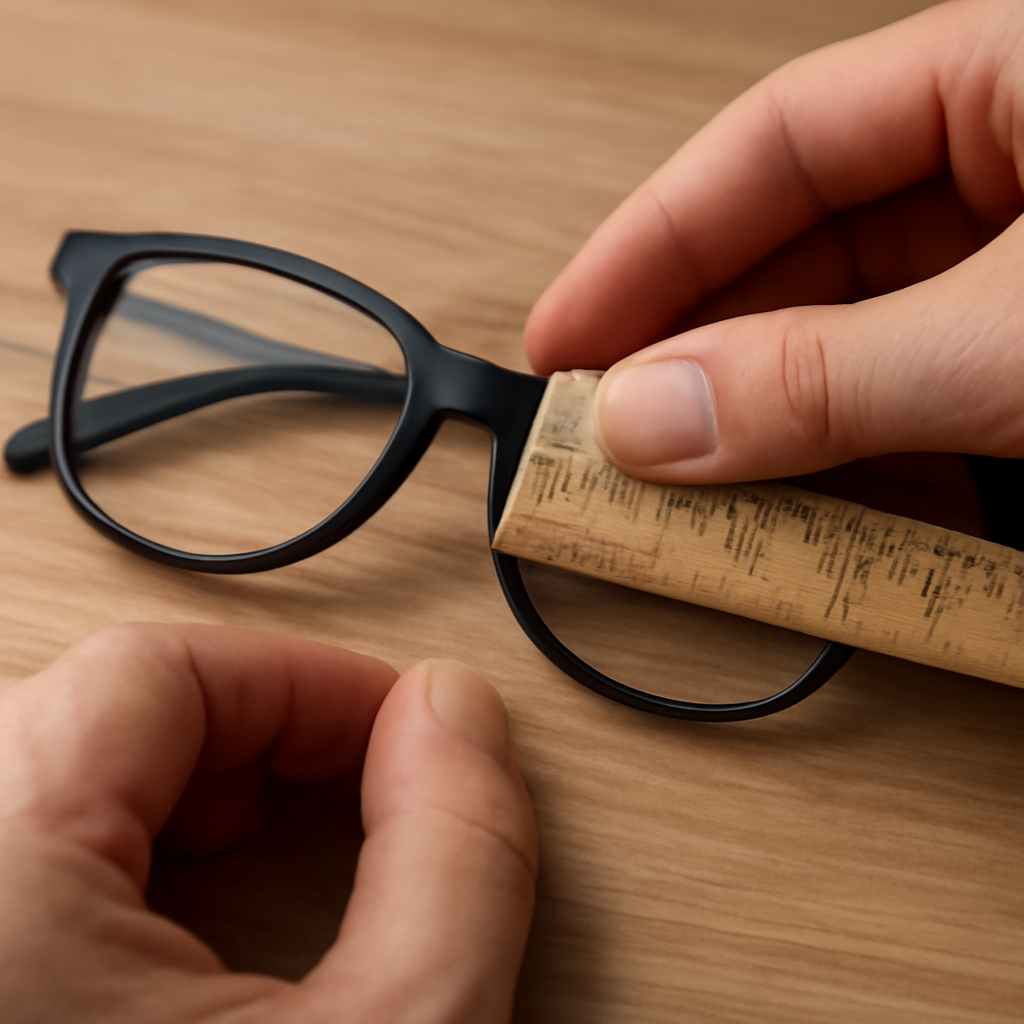
Think about the frames you already love. Do you gravitate toward round, rectangular, or cat‑eye shapes? Matching frame shape to your facial features not only looks better, it also helps keep light from leaking around the edges.
Picture yourself on a sunny bike ride: a wrap‑around style with a snug nose bridge will block more stray light than a loose, oversized frame.
If you’re an active type, polycarbonate or Trivex give you impact resistance and lightweight comfort.
For strong prescriptions, high‑index lenses stay thin while still delivering 100% uv protection.
And if you’re on a budget, CR‑39 plastic still meets UV400 standards without breaking the bank.
Look for “UV400” or “100% UV protection” stamped on the lens or product page. Some retailers also list compliance with ANSI Z80.3 or EN 1836 – those are the official safety checklists.
If the listing is vague, drop the seller a quick message. A legitimate shop will gladly share the test certificate or at least confirm the coating.
Scratch‑resistant coating is practically a must; it protects your lenses from everyday mishaps.
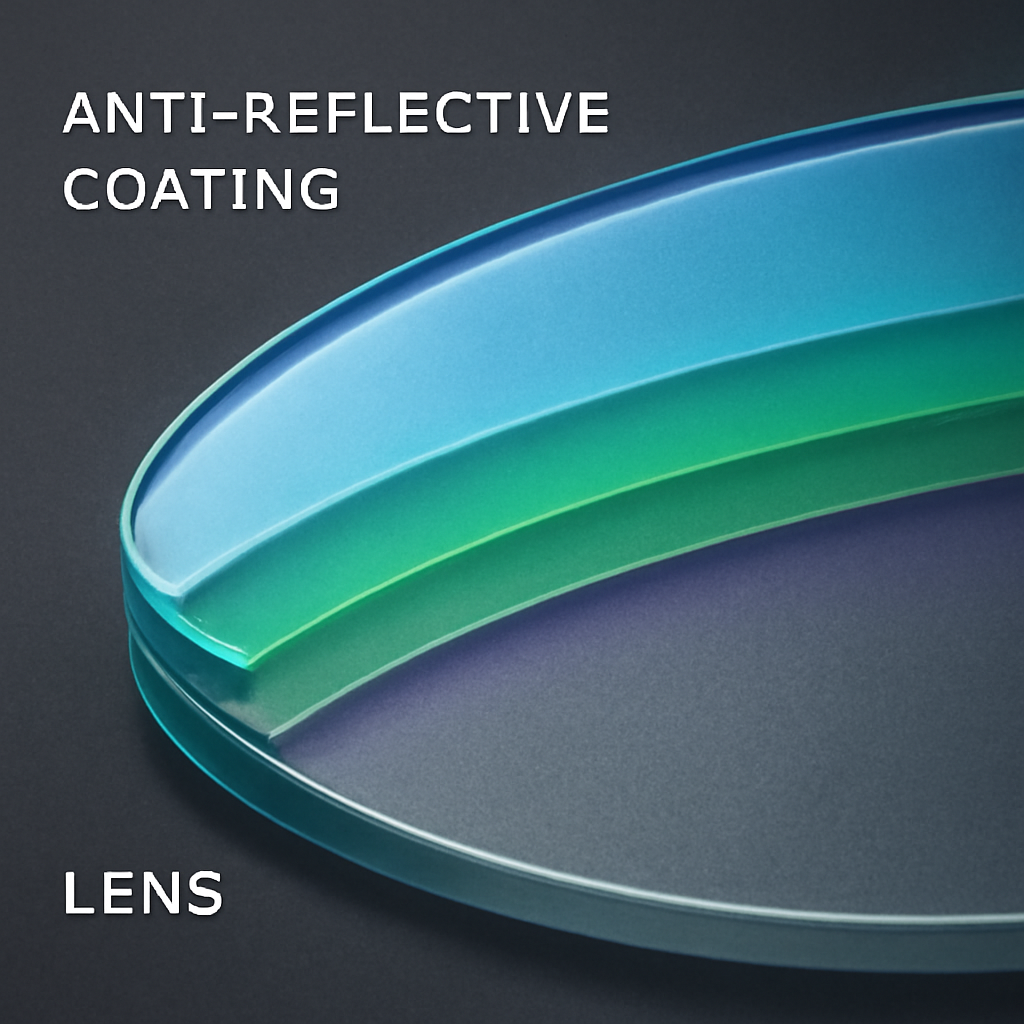
Anti‑reflective (AR) coating reduces glare, especially useful for drivers or anyone who spends time in bright conditions.
And if you spend a lot of time in front of screens, a blue‑light filter can keep digital eye strain at bay without sacrificing UV protection.
When you type in sphere, cylinder, axis, and add‑power values, double‑check each number. A single typo can turn a clear day into a blurry nightmare.
Most online checkouts have a preview screen – use it to verify that OD (right eye) and OS (left eye) aren’t swapped.
Even with a perfect prescription, the fit might feel off. Choose a retailer that offers a 90‑day return or a free adjustment service. That safety net lets you try the glasses at home without risk.
Look for a warranty that covers coating delamination or accidental breakage – it’s a small extra cost that can save you a lot later.
After you hit “buy,” you’ll get an order confirmation with a tracking link. Keep an eye on the delivery date, especially if you need the sunglasses for an upcoming trip.
When the package arrives, inspect the lenses for any scratches or coating defects before you sign for it.
Put the glasses on and tilt your head in all directions. The lenses should stay centered over your pupils, and the temples shouldn’t dig into your temples.
If something feels off, most optical shops – including BuyEyeglass – will adjust the nose pads or temple arms at no extra charge.
Follow these steps, and ordering prescription sunglasses with uv protection online will feel as easy as a sunny afternoon stroll.
Ever wonder why two pairs of prescription sunglasses with uv protection can feel so different on a bright day? It usually comes down to how the brand actually blocks those invisible rays.
We’ve tried a handful of the big names – think Ray‑Ban, Oakley, and Warby Parker – and spotted a few patterns that can help you separate the hype from the real UV shield.
First, the label. UV400 means the lenses stop 100% of UVA and UVB up to 400 nm. Anything less, like UV300, lets a sliver of harmful light sneak through. The Eye to Eye Doctor blog explains why that sliver matters: over time it can contribute to cataracts, macular degeneration, and even eyelid cancer.
So, when you see a brand touting “UV‑400” you’re looking at the gold standard. But don’t stop there – the material and coating matter just as much.
Polycarbonate lenses, which most sport‑oriented brands use, are naturally UV‑blocking and super lightweight. Oakley’s sport line leans heavily on this material, making the glasses feel like they’re barely there.
Glass lenses, favored by some fashion‑forward houses, offer razor‑sharp clarity but need a dedicated UV coating to hit the 400 mark. Ray‑Ban’s classic Wayfarer with glass lenses will usually list a UV‑400 coating on the product page.
High‑index lenses are the go‑to for strong prescriptions. Brands that invest in a high‑index, UV‑400‑coated option give you thin, light lenses without sacrificing protection.
Many brands add polarization to cut glare, which feels amazing on water or snow. But remember, polarized lenses can still let UV through if the underlying coating isn’t up to spec. Always double‑check the UV rating, not just the “polarized” badge.
| Brand | UV Rating | Notable Feature |
|---|---|---|
| Ray‑Ban | UV400 (coated) | Glass & high‑index options; iconic style |
| Oakley | UV400 (material‑inherent) | Polycarbonate sport frames; impact‑resistant |
| Warby Parker | UV400 (coated) | Affordable CR‑39; wide‑range colors |
Look at that table and ask yourself: which feature matters most for your day‑to‑day? If you’re chasing a bike trail, Oakley’s polycarbonate might feel like a feather. If you’re heading to a coffee shop and want a sleek look, Ray‑Ban’s glass lenses give that crisp edge.
Another practical tip: grab a handheld UV meter if you have one. Wave it over the lens; a zero reading confirms proper blocking. If the meter lights up, the lenses aren’t living up to their claim.
What about durability? Polycarbonate wins on impact resistance, glass wins on scratch resistance, and high‑index wins on thinness. Think about how you’ll treat your glasses – toss them in a bag, or keep them in a case?
And don’t forget the coating stack. A hard‑coat adds scratch protection, an anti‑reflective layer reduces glare, and a hydrophobic coating repels water. Brands that bundle these coatings with UV400 give you a “set‑and‑forget” experience.
So, how do you decide? Start with the activity, then match the material, then verify the UV rating. If a brand checks all three boxes, you’ve likely found a pair that will keep your eyes safe and your vision sharp.
Bottom line: not all prescription sunglasses with uv protection are created equal. By looking past the logo and digging into the UV rating, material, and coating combo, you can pick a pair that truly protects your eyes – no matter whether you’re on a mountain bike or strolling downtown.
We all know that a pair of prescription sunglasses with UV protection is an investment in your eyes, not just a fashion statement. But the moment you slip them on, have you ever wondered if a quick swipe with your shirt might be silently eroding that UV shield?
First thing’s first: keep the lenses crystal‑clear without grinding away the coating. The biggest mistake people make is using the hem of a shirt or a rough paper towel. Those fabrics carry dust and grit that act like sandpaper on the surface, creating micro‑scratches that can eventually thin the UV layer.
The safest method is a two‑step wipe. Rinse the lenses under lukewarm water to loosen any debris, then use a soft, lint‑free microfiber cloth dabbed in a drop of lens‑cleaning solution. Gently pat—don’t rub. If you don’t have a dedicated solution, a splash of mild dish soap mixed with water works just fine.
Wythe Eye Associates recommends this exact approach in their cleaning guide, noting that the routine protects both clarity and the underlying UV coating.
After a day out, you probably toss your sunnies into a bag or leave them on a desk. That habit can invite heat, pressure, and accidental scratches—all of which degrade the UV filter over time.
Here’s a quick storage checklist you can keep in your pocket:
Even the best‑made lenses can lose a bit of their UV blocking power after years of wear, especially if the coating gets scratched or peeled. A simple way to test is with a handheld UV meter—wave it over the lens; a zero reading means you’re still fully protected.
If you don’t have a meter, look for visual cues. Any yellowing, flaking, or visible scratches that you can’t remove with a microfiber cloth may indicate the coating is compromised. In that case, consider a professional polish or, if the damage is extensive, replace the lenses.
Let’s bust a few myths that can silently sabotage your UV protection:
And remember, your prescription sunglasses are meant to be worn year‑round. The UV rays that cause damage are present even on overcast days, so keeping the lenses clean and protected is a daily habit, not a once‑a‑year chore.
Bottom line: a gentle cleaning routine, smart storage, and periodic checks keep the UV shield intact, letting you enjoy crisp vision and peace of mind wherever the sun shines.
First, look for a clear “UV400” or “100% UV protection” stamp on the lens or product card. Reputable brands will also mention compliance with ANSI Z80.3 or EN 1836. If the listing is vague, ask the seller for the test certificate or a UV‑filter sticker that changes color under sunlight. A quick check with a handheld UV meter should read zero – anything else means the coating isn’t doing its job.
Absolutely. UV rays penetrate clouds, and up to 80 % of UVB can reach you on overcast days. Your lenses block the same spectrum regardless of the weather, so keeping them on during a drizzle or a winter drive prevents cumulative damage. Just remember to clean them regularly; a dirty lens won’t reduce glare, but it can obscure the UV coating over time.
UV‑blocking stops harmful wavelengths from entering your eye; polarization only reduces glare by filtering reflected light. You can have both, but polarization alone isn’t a guarantee of UV protection. Always verify the UV rating first, then add polarization if you spend a lot of time on water, snow, or bright roads. The combo gives you clear vision and less squinting.
Coatings can wear down after several years of daily use, especially if you frequently clean with abrasive cloths or expose the glasses to high heat. A good rule of thumb is to inspect the lenses every 12‑18 months. If you see yellowing, peeling, or scratches that a microfiber cloth can’t remove, it’s time for a replacement or professional re‑coat to maintain full UV400 performance.
Yes. Rinse the lenses under lukewarm water to wash away grit, then use a soft microfiber cloth dampened with a lens‑cleaning solution or a drop of mild dish soap. Pat gently; avoid rubbing hard. Store the glasses in a hard case with a soft lining when you’re not wearing them. This routine protects both clarity and the thin UV layer from micro‑scratches.
High‑index materials are simply a different way of bending light, but they still need a UV‑blocking coating to meet the UV400 standard. Most manufacturers apply the same UV‑filter to high‑index lenses, so you get thin, lightweight lenses without sacrificing protection. Just double‑check that the product description explicitly says “UV400” or cites ANSI Z80.3 compliance, regardless of the index.
We’ve walked through everything from standards to lens materials, so you know why prescription sunglasses with uv protection are more than a fashion add‑on.
Think about the last time you squinted on a bright afternoon – that glare isn’t just annoying, it’s a silent reminder that UV rays are still reaching your eyes, even on cloudy days. When you choose lenses that are truly UV400‑rated, you’re protecting the same delicate tissue that lets you read this sentence.
So, what’s the next step? Grab your current prescription, measure your PD, and hunt for a pair that ticks the boxes we’ve outlined: UV400 label, reputable material, and the coatings that match your lifestyle.
If you need a quick place to compare styles, the BuyEyeglass catalog makes it easy to filter by UV rating and frame shape. A handful of clicks, and you’ll have a shortlist ready for that summer road trip or daily commute.
Remember, the best protection feels effortless. Keep your lenses clean, store them right, and replace them when the coating shows wear. Your eyes will thank you for years of clear, comfortable vision.
Ready to make the switch? Explore our selection and give your eyes the care they deserve today and enjoy sunny days with confidence.