Ever caught yourself holding a book farther away than you used to, just to make the words clear? That’s the exact moment many of us realize our eyes are changing, and the question “what reading glasses strength do I need?” pops up. It feels a bit like figuring out the right size of shoes after a growth spurt – you know you need a new fit, but the numbers can be confusing.
That’s why we put together a reading glasses strength chart by age. It’s not a one‑size‑fits‑all rule, but it gives you a solid starting point. Typically, people in their early 40s might need +1.00 to +1.25 diopters, while those in their 60s often find +2.00 to +2.50 works better. The chart lines up with the natural decline of the eye’s ability to focus on near objects, a condition called presbyopia.
Let me walk you through a real‑world scenario. Sarah, a 48‑year‑old accountant, started noticing she had to squint at spreadsheets. Using the age‑based chart, she tried a +1.25 pair and felt immediate relief. A few months later, her partner, Mark, hit 72 and needed a stronger +2.75. By matching the strength to their age range, both avoided the trial‑and‑error of buying multiple pairs.
Here’s a quick checklist you can use right now:
Pro tip: Keep a spare pair at work and another at home. That way, you can compare how each feels in different lighting. And if you spend a lot of time in front of screens, consider a pair with blue‑light filtering – it reduces eye strain and improves sleep quality. Our guide on Blue Light Reading Glasses for Women: 7 Styles That Protect Your Eyes dives deeper into those options.
Finally, remember that the chart is a guide, not a prescription. If you notice persistent headaches or your vision feels off, a quick eye exam can confirm the exact strength you need. So, grab a pair that matches your age, test it out, and enjoy reading without the hassle.
Our reading glasses strength chart by age lets you instantly find the right diopter range for clear, comfortable reading.
Just match the recommended strength to your age group, test in 0.25 steps, and enjoy hassle‑free vision; if text stays fuzzy, move up a notch until crisp, and consider a blue‑light filter for screens.
Ever wonder why the words on your favorite novel suddenly feel like they’re swimming? That moment when you instinctively lift the page a few inches higher is the hallmark of presbyopia – the eye’s natural loss of near‑focus ability that usually kicks in somewhere in your 40s.
It’s not just an age thing; it’s a tiny lens inside your eye that gets less flexible over time. Think of it like a rubber band that’s been stretched for years – eventually it won’t snap back quite the same way. When that flexibility fades, you need a little extra help to bring close‑up text into focus.
Most of us notice the shift during a quiet evening of reading or while scrolling on a phone. You might catch yourself squinting or holding the screen further away, hoping the extra distance compensates for the blur. That’s your brain trying to find a workaround, but the real fix lies in the right diopter strength – and that’s where our reading glasses strength chart by age becomes your cheat sheet.
And here’s a little science nugget: the eye’s ciliary muscle, which controls the lens shape, gradually weakens. By the time you hit your mid‑40s, many people need about +1.00 to +1.25 diopters. By your 60s, the chart usually points to +2.00 to +2.50. It’s a smooth progression, not a sudden jump, which is why testing in 0.25 steps works so well.
Picture this: you’re at a family dinner, the menu is printed in tiny font, and you keep leaning in. You pull out a pair of +1.25 readers you bought after checking the chart. Instantly, the letters pop, and you’re back to enjoying the conversation instead of wrestling with the print.
That little win feels like a superpower, right? It’s the same principle for anyone who spends hours on spreadsheets, knitting patterns, or scrolling through recipes. The chart gives you a starting point, but the real magic is in the personal tweak – moving up or down in 0.25 increments until it feels just right.
So, how do you know you’ve landed on the perfect strength? Look for three signs: the text is crisp without squinting, you don’t feel eye fatigue after a few minutes, and you can hold the material at a comfortable distance without straining.
Sometimes, presbyopia shows up alongside other conditions like mild astigmatism. In those cases, you might need a pair that combines a small prescription with the reading boost. That’s why many of our customers appreciate trying a few strengths at home before committing.
And if you spend a lot of time in front of screens, consider lenses with a blue‑light filter – they can reduce glare and help keep your sleep cycle in check.
Curious about how other health factors play into vision? A quick look at holistic wellness can reveal surprising links between overall health and eye comfort.
Watching that short video can demystify why your eyes need that extra boost and show you how to test different strengths without a trip to the optometrist.
Now that you’ve got the science and the practical steps, let’s talk about staying ahead of the curve. As you age, your vision will keep evolving, so it’s wise to re‑check your strength every couple of years. A simple habit – keep a spare pair in your bag and swap it out if you notice the usual signs of strain.
And remember, the reading glasses strength chart by age is a guide, not a prescription. If you ever feel persistent headaches, double vision, or any sudden changes, it’s time to schedule a professional exam.
By understanding the why behind presbyopia and using the chart as your roadmap, you can keep reading, crafting, and scrolling with confidence – no more guessing games.

Alright, let’s dig into the nitty‑gritty of the reading glasses strength chart by age. You’ve already seen the quick checklist, now it’s time to understand why the numbers line up the way they do and how you can use that knowledge without a trip to the optometrist.
Presbyopia follows a fairly predictable pattern: the lens in our eye stiffens, and the ciliary muscle loses a little of its snap each decade. Around age 40 the average loss is roughly one diopter, which is why the chart starts you at +1.00 to +1.25. By the time you’re hitting 60, most people have lost about two to two‑and‑a‑half diopters, nudging them into the +2.00‑+2.50 range.
Think of it like a car’s suspension wearing out. Early on you might only need a tiny tweak, but later you have to replace the whole system. The chart simply translates that “wear‑and‑tear” into the lens power you need.
Take Maya, a 46‑year‑old freelance writer. She spends her mornings editing on a laptop and evenings reading novels. When she tried a +1.00 pair, the text felt a bit soft. A quick switch to +1.25 made the words pop without any eye strain. She now keeps that pair in her home office and a +1.50 pair in her tote for the occasional café stop.
Then there’s Carlos, 58, who loves woodworking manuals. He noticed he kept leaning over the page, and his neck started hurting. After testing a +1.50 pair (which felt just okay) and moving up to +1.75, the manual became crystal‑clear and his posture improved instantly.
These stories illustrate a simple rule: start low, test, and only step up in 0.25 increments. If you overshoot, you’ll feel a “head‑in‑the‑clouds” sensation that’s a clear sign you’ve gone too strong.
1. Identify your age bracket. 40‑49, 50‑59, or 60+. This gives you the baseline range.
2. Grab the lowest diopter in that range. If you’re 52, start with +1.50.
3. Test with your most common reading task. Hold a page about 14‑16 inches away (the distance you’d normally read). If the text is fuzzy, move up 0.25.
4. Note any discomfort. Headaches, double vision, or nausea mean you’ve gone too high. Drop back a step.
5. Repeat in different lighting. Natural light can make a lower power feel adequate, while dim indoor light may require a half‑step more.
6. Keep a “starter” and a “working” pair. One for quick checks at the kitchen table, another for longer reading sessions.
| Age Range | Typical Diopter Range | Common Scenario |
|---|---|---|
| 40‑49 | +1.00 – +1.25 | Reading recipes, checking phone messages |
| 50‑59 | +1.50 – +1.75 | Longer books, detailed hobby manuals |
| 60+ | +2.00 – +2.50 | Fine print, knitting patterns, small‑print labels |
Use this table as your cheat sheet. When you’re in a store (or browsing online), glance at the age column, pick the lower diopter, and test it with the method above.
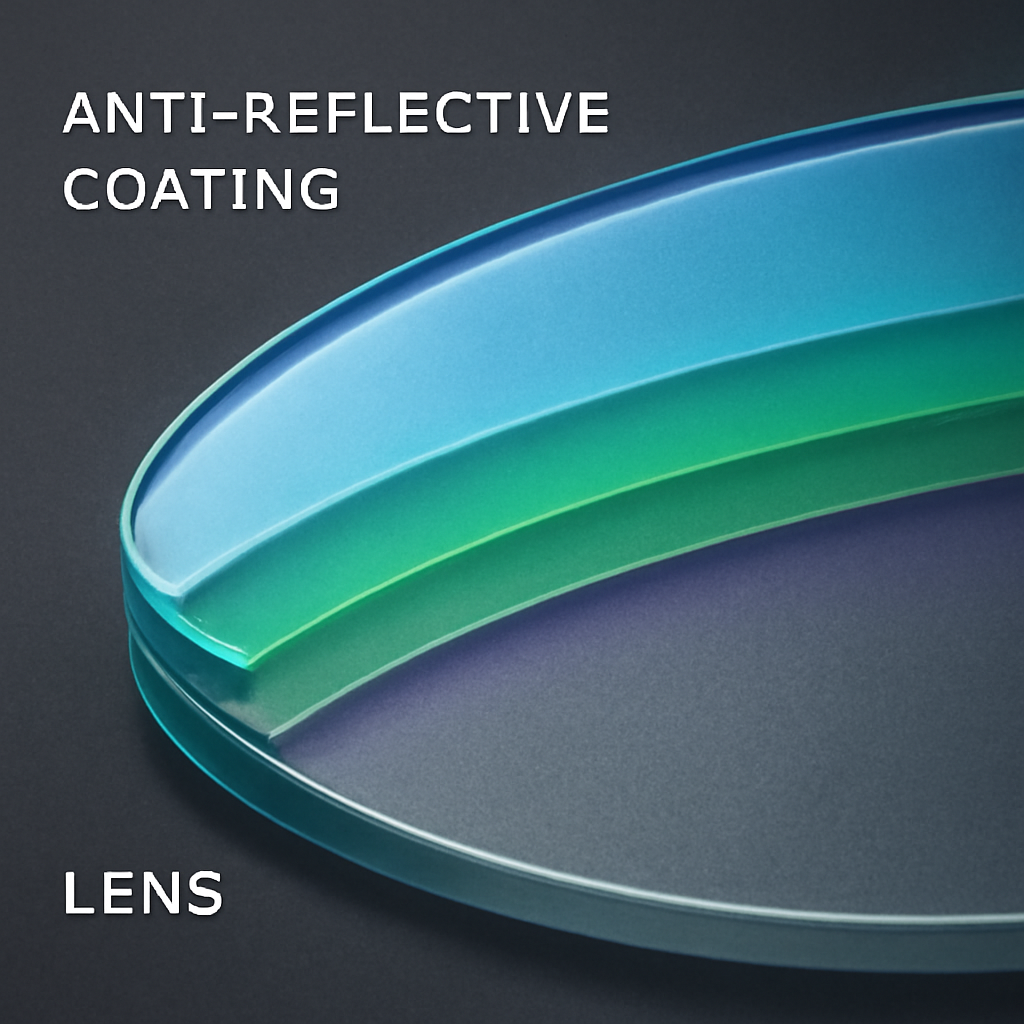
Reading glasses for a paperback aren’t always ideal for a tablet screen. The screen emits light, which can cause extra glare. If you’re a heavy screen user, consider a pair with a subtle anti‑glare coating—even if the diopter stays the same. The extra comfort can let you stay at the lower end of the chart for a few more years.
Finally, remember that the chart is a guide, not a prescription. If you ever feel persistent blur, double vision, or sudden changes, it’s time to book an eye exam. The chart gets you close, but a professional exam will pinpoint the exact prescription and catch any hidden issues.
Ever held a book farther away than you normally would, just because the words look fuzzy?
That little moment is a clue that your eyes are shifting, and it’s the perfect time to fine‑tune your reading glasses strength.
First, check which age range you fall into – 40‑49, 50‑59, or 60+.
Those bands line up with the typical diopter ranges in the reading glasses strength chart by age.
Why does age matter? Because the lens in our eye loses flexibility at a fairly steady rate, roughly a quarter diopter every decade after the early 40s.
Grab the lowest diopter in your bracket. If you’re 52, that means a +1.50 pair.
Hold a page about 14‑16 inches away – the distance most of us naturally read.
If the text snaps into focus, you’ve probably found your sweet spot.
Now, put the glasses on while you do the things you actually love: scrolling recipes on a tablet, stitching a knitting pattern, or reading the fine print on a medicine bottle.
Notice any lingering blur? If the letters still look soft, move up just 0.25 diopters and test again.
It’s a tiny jump, but it can make the difference between “okay” and “crystal clear.”
Natural light often lets you get away with a weaker pair, while dim indoor lighting can demand that half‑step boost.
Try the same page under a kitchen lamp and then near a sunny window. If you need a bit more power in the lamp, note that as your “working” strength.
Any headaches, eye strain, or a feeling like you’re looking through a foggy window? That’s a sign you’ve gone too strong.
Drop back a quarter diopter and retest. Comfort should feel effortless – like the words are whispering to you, not shouting.
One “starter” pair for quick checks (like when you glance at a phone), and a “working” pair for longer sessions (reading a novel before bed).
This two‑pair system saves you from constantly swapping lenses and lets you adapt to lighting or task changes on the fly.
Take Maya, a 46‑year‑old freelance writer. She started with a +1.00 pair for her laptop, but the text still felt a touch soft. Moving up to +1.25 cleared everything, and she now keeps that pair at her desk. For evenings on the couch, she prefers a +1.50 pair because the soft lamp makes the lower power feel a bit weak.
Or consider Carlos, 58, who loves woodworking manuals. He tried +1.50, but the diagrams stayed fuzzy. A quick switch to +1.75 made the line work pop, and his neck stopped hunching over the page.
And remember, the reading glasses strength chart by age is a guide, not a prescription. If you ever notice persistent blur, double vision, or sudden changes, it’s time to book a professional eye exam.
With these steps, you’ll move from guesswork to confidence, and you’ll finally be able to enjoy your favorite books, recipes, and screens without the strain.
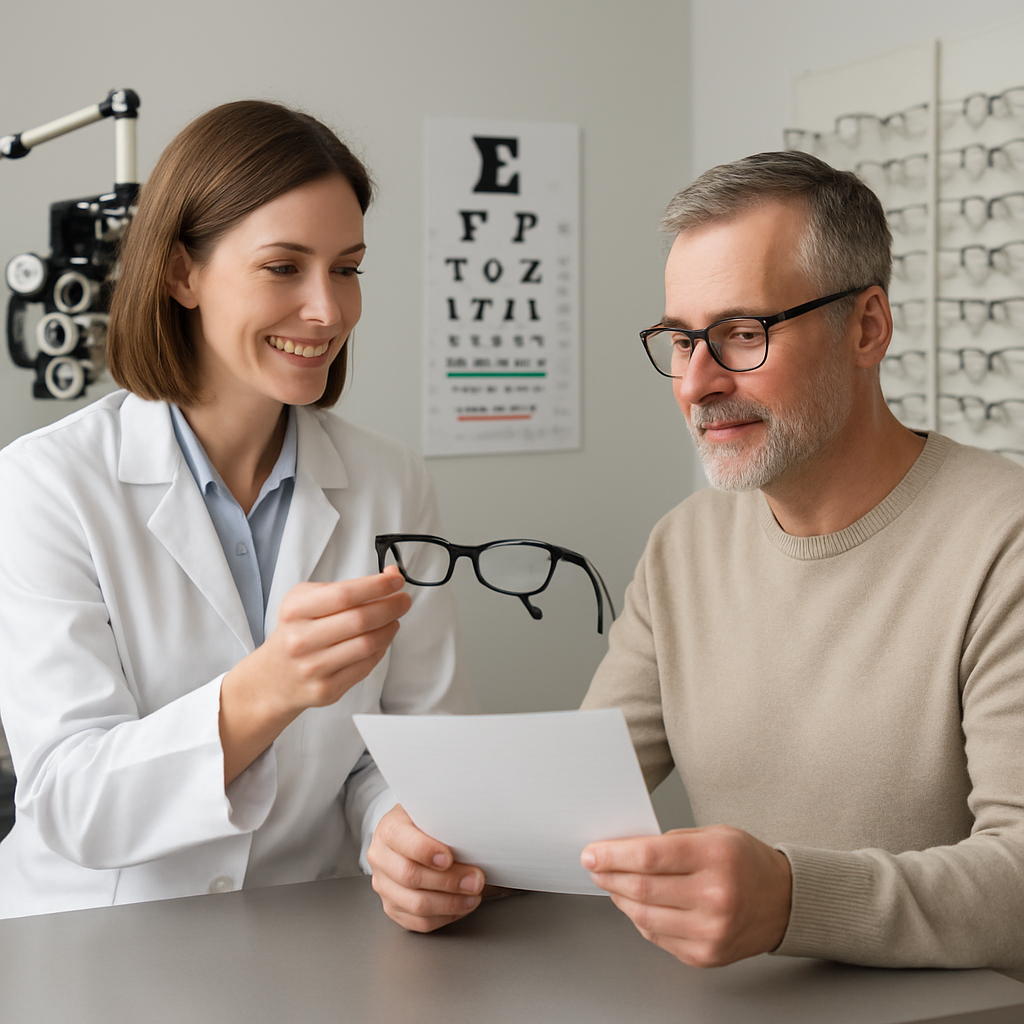
So you’ve found the right spot on the reading glasses strength chart by age and you’re wondering whether to grab a cheap pair off the shelf or get a custom prescription. It’s a common fork in the road, and the answer isn’t one‑size‑fits‑all.
Over‑the‑counter (OTC) readers are pre‑made, non‑prescription lenses stamped with a single diopter value – think +1.00, +1.50, +2.00, and so on. Prescription readers are crafted from a specific lens formula that takes into account not just the near‑focus power you need, but also any existing distance correction, astigmatism, or special coatings.
In other words, OTC glasses give you a blanket boost, while prescription glasses fine‑tune the boost to match the exact shape of your eye.
But does cheap equal cheap‑quality? Not necessarily. Because the lenses are generic, you might end up with a power that’s a shade too strong or too weak, leading to eye strain or a “head‑in‑the‑clouds” feeling.
Imagine you’re a hobbyist woodworker like Carlos from our earlier example. He tried a +1.50 OTC pair while reading detailed schematics, but the lines stayed fuzzy. The extra strain forced him to reach for a stronger +1.75 pair, and the cheap lenses started scratching after a few weeks. That’s a classic OTC pain point.
When you’re in your 60s and the chart points to +2.25 to +2.50, a custom pair can incorporate progressive lenses that transition smoothly from reading to computer work, saving you the hassle of juggling multiple pairs.
One real‑world scenario: Maya, a 46‑year‑old freelance writer, bought a +1.00 OTC pair for her laptop, but the screen glare made the text look washed out. After a quick optometrist visit, she got a +1.25 prescription reader with an anti‑glare coating. The difference was night‑and‑day – the words snapped into focus and her eyes stopped hurting after an hour of typing.
1. Check your current vision. If you already wear prescription glasses for distance, a prescription reader is usually the safer bet.
2. Identify your primary tasks. For occasional book reading, an OTC pair in the lower range of the chart may be enough. For prolonged screen time, consider a prescription lens with blue‑light filtering.
3. Test before you commit. Many online retailers (including BuyEyeglass) let you order a “starter pack” with several low‑cost diopters to try at home. Use the quick checklist from earlier: test each pair at arm’s length, under both bright and dim lighting, and note any headaches.
4. Watch for warning signs. Persistent eye strain, double vision, or headaches after a few minutes of reading signal that the power is off – either too strong or too weak.
5. Plan for the future. As you move into the next age bracket, you’ll likely need to step up by 0.25–0.50 diopters. Keeping a “starter” OTC pair and a “working” prescription pair can smooth that transition.
Bottom line: OTC readers are a budget‑friendly experiment zone, perfect for the early stages of presbyopia when the chart suggests a modest boost. Prescription readers become essential when you need precision, multi‑task flexibility, or have existing vision correction. By matching the choice to your lifestyle and paying attention to how your eyes feel, you’ll avoid the common pitfalls and keep reading comfortably for years to come.
We’ve walked through how the reading glasses strength chart by age helps you pick the right diopter, but a perfect pair won’t do you any good if it gets scratched, warped, or falls out of sync with your changing vision.
So, how do you keep those little lenses working like new, and when should you think about swapping them out?
First off, give your glasses a gentle rinse with lukewarm water to wash away dust. A drop of lotion‑free dish soap works wonders – just rub it between your fingertips, rinse, and pat dry with a soft, lint‑free cloth.
Never reach for paper towels or the shirt collar; those fibers will scratch the coating and leave haze that makes text look blurry.
A microfiber cleaning cloth and a lens‑specific spray are cheap investments that pay off every day. Spray the solution onto the lenses (not the cloth) and wipe in small circles. If you notice streaks, give the lenses another quick rinse and try again.
When you’re not reading the morning paper, tuck your glasses into a hard case. Hard cases protect against drops, while a soft pouch is fine for short trips.
Keep the lenses facing inward or place them lens‑side down – that way they don’t get scratched by other objects in the case.
And avoid the dashboard or sunny windowsill; heat can warp plastic frames and even loosen metal springs.
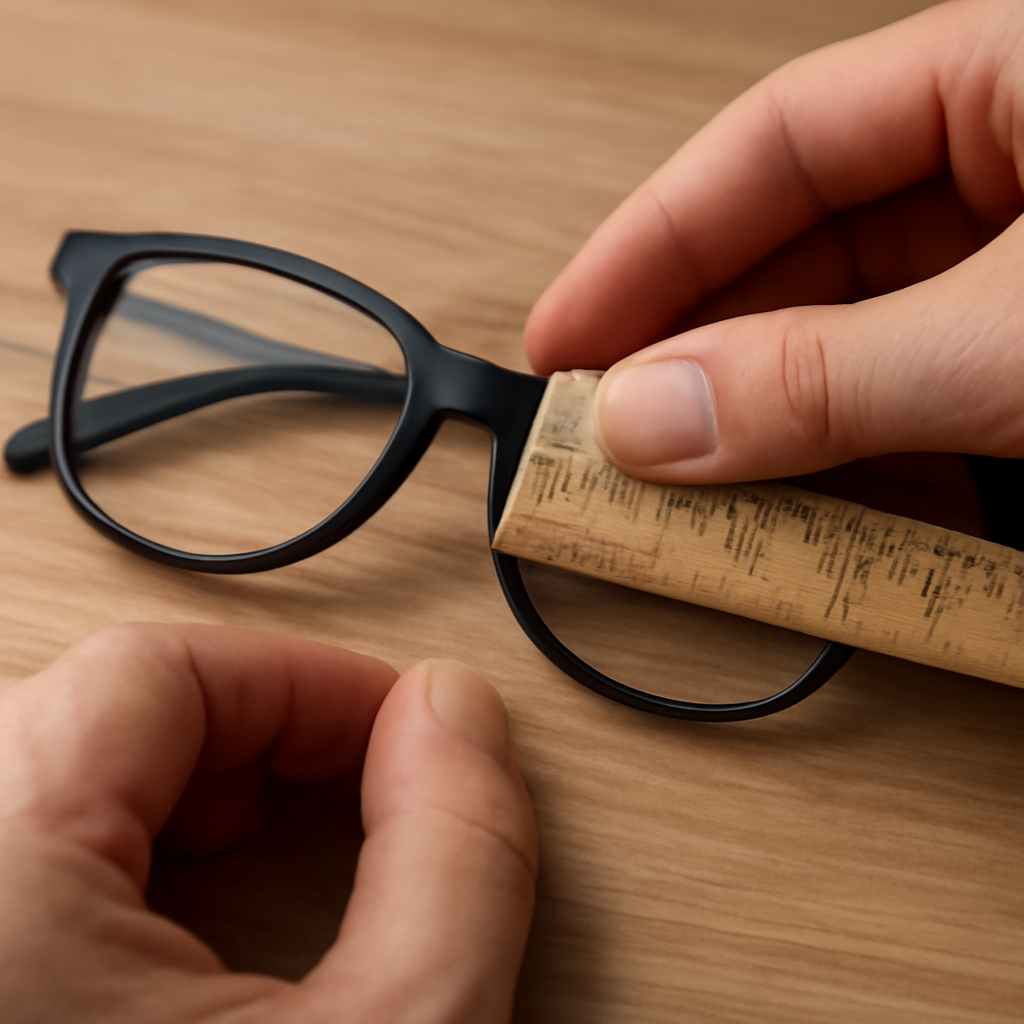
Every few months, glance at the screws on the temples. If they feel loose, a tiny screwdriver from an eyeglass repair kit will tighten them. Loose hinges can cause the frames to tilt, which changes how the diopter aligns with your eyes.
Also, pay attention to the nose pads. If they start digging in, a dab of silicone pad protector can make a world of difference.
Even the best care won’t stop the natural progression of presbyopia. If you notice you have to hold a book farther away than before, or you get a mild headache after a half‑hour of reading, it’s probably time to revisit the reading glasses strength chart by age.
Most people need to step up by 0.25–0.50 diopters every decade. Keep a “starter” pair at the lower end of the range and a “working” pair at the higher end. Swapping between them lets you test which strength feels most comfortable under different lighting.
And if you’ve added blue‑light filtering or anti‑reflective coatings, remember those coatings can wear off after a few years. When the surface starts to look hazy, a replacement lens with the same protective layer can restore clarity.
Need more detailed step‑by‑step guidance? Check out this comprehensive reading glasses care guide from Eclipse Optics, which walks you through cleaning, storage, and when to retire old lenses.
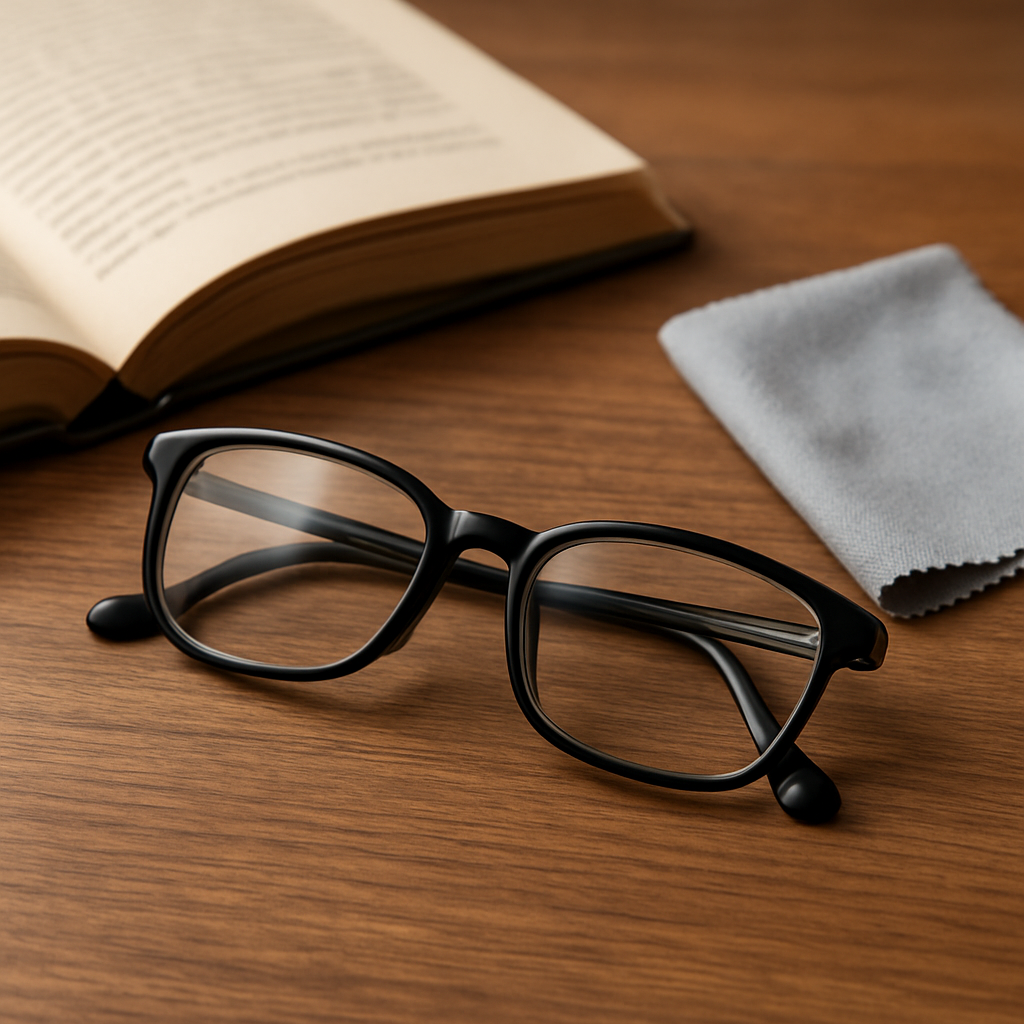
By treating your readers with the same care you give a favorite kitchen gadget, you’ll extend their life, keep your vision sharp, and avoid the extra expense of premature replacements. Remember, the reading glasses strength chart by age is only a starting point – keeping the glasses in top shape ensures the chart stays accurate for as long as you need it.
We’ve talked about the numbers, now let’s see how those numbers play out when you bring your day‑to‑day routine into the mix. The reading glasses strength chart by age is a great starting point, but the way you live can shift where you land on that chart.
If you’re the kind who spends weekends hiking, biking, or chasing after grandkids, you need a pair that can keep up. A lightweight frame that stays snug on the nose bridge is a lifesaver when you’re moving fast. Think about the moment you pull a map out of your pocket and the text blurs—if you’re still in the 40‑49 age bracket, start with a +1.00 lens, but consider a slightly stronger +1.25 if you often read small print outdoors. The extra power can counter the reduced contrast you get under bright sunlight.
Pro tip: Look for lenses with an anti‑scratch coating. Even though we can’t link to a specific product, many of our customers swear by a hard‑case combo that protects the lenses from dust and grit on the trail.
Office workers, freelancers, and anyone who spends eight‑plus hours in front of a monitor have a different set of demands. Blue‑light filtering isn’t just a buzzword; it actually reduces glare and helps you stay comfortable longer. If the reading glasses strength chart by age nudges you to +1.50 for the 50‑59 group, you might stay at +1.25 for screen time because the anti‑glare coating does a bit of the heavy lifting.
Try this: Keep a “starter” pair at your desk and a “working” pair on a shelf for occasional reading of printed reports. Swap them when you shift from a bright office window to a dimmer conference room. That tiny adjustment can keep eye strain at bay without you even noticing.
Love curling up with a paperback before bed? Or maybe you enjoy a nightly tablet scroll of recipes. Low light amplifies any weakness in your diopter choice. If you’re in the 60+ range, the chart suggests +2.00 to +2.50. Many night‑owls find that +2.25 feels just right for a bedside lamp, while +2.50 feels a touch too strong for a phone screen.
Here’s a quick experiment: Dim the lights, hold your book about 14‑16 inches away, and note whether the words pop or stay fuzzy. If you’re wavering between two strengths, pick the weaker one and add a thin clip‑on magnifier for those rare moments when you need an extra boost.
For those who love camping, road trips, or simply reading a menu at a bustling café, durability and versatility win the day. A pair with a sturdy acetate frame can survive a backpack tumble, and a lens that’s easy to swap means you can carry a +1.25 “starter” and a +1.75 “working” pair in a tiny pouch.
When you’re on the move, temperature changes can affect lens thickness. In colder weather, a slightly higher diopter can feel more comfortable because the eye’s natural focusing power drops a hair. So, if the chart points you to +1.00 for your age, you might keep a +1.25 on hand for winter hikes.
Bottom line: the reading glasses strength chart by age gives you the baseline, but your lifestyle fine‑tunes it. Start with the lower end of your age range, then adjust based on activity, lighting, and how long you’re looking at something.
Ask yourself: Do I need a pair that’s ultra‑light for a jog, or a robust set for a desk marathon? Do I read more on paper or on screens? The answers will tell you whether you stay at the chart’s suggestion or step up a quarter diopter.
Keep two pairs—one “starter” for quick checks, one “working” for longer sessions—and you’ll always have the right strength on hand, no matter where life takes you.
So, you’ve walked through the reading glasses strength chart by age, tested a few diopters, and even thought about how your hobbies shape the perfect pair.
Here’s the short version: start at the low end of your age bracket, tweak in 0.25 steps, and keep a “starter” and a “working” pair ready for different lighting or tasks.
What if you notice the text still feels a bit soft after a week? That’s a cue to bump up just a quarter – no need to overhaul your whole collection.
Remember, the chart is a guide, not a prescription. If headaches linger or your vision suddenly shifts, a quick eye exam is the safest move.
And when you’re ready for the next step, Browse BuyEyeglass’s selection – you’ll find frames that match your style and the exact diopter you’ve zeroed in on.
With a bit of trial, a dash of patience, and the chart as your compass, you’ll keep reading comfortably for years to come.
Start by locating your age bracket—40‑49, 50‑59, or 60+. The chart gives a low‑end diopter (e.g., +1.00 for 40‑49). Grab that strength first, then test with the material you read most often. If text still feels soft, move up in 0.25‑diopter steps until the words snap into focus without headache. This trial‑and‑error loop keeps you from overspending on multiple pairs.
Yes, but treat the chart as a starting point for the “add‑on” power you need for close work. Take your distance prescription, then add the diopter range the chart recommends for your age. Many readers order a pair with the combined power—BuyEyeglass lets you select a single‑vision reader that includes both corrections, saving you the hassle of swapping glasses.
Presbyopia typically progresses about 0.25 diopters every ten years, but lifestyle and health can speed things up. Check the chart whenever you notice you have to hold books farther away, or you get a mild headache after half an hour of reading. A quick re‑test with a slightly stronger pair will tell you if it’s time to move up.
Absolutely. Bright natural light often lets a lower diopter feel adequate, while dim indoor lighting may require a quarter step more. When you test, try the same page under a kitchen lamp and near a sunny window. If the lower power feels fuzzy in the lamp, keep the higher strength as your “working” pair for those low‑light moments.
Yes—if you jump to the top of your age range too quickly, you might experience a “head‑in‑the‑clouds” sensation or double vision. That’s why the FAQ stresses moving up only 0.25 diopters at a time and pausing if headaches appear. Over‑correction can also cause your eyes to work harder, defeating the purpose of reading glasses.
Astigmatism needs a cylindrical correction that the simple strength chart doesn’t cover. In that case, use the chart to estimate the near‑vision power, then bring that number to your eye doctor. A prescription reader will combine the diopter for presbyopia with the astigmatism correction, giving you clear vision without the guesswork. Talk to your optometrist about lens options that combine both corrections for seamless reading.