Ever catch yourself squinting at the screen after a long day of Zoom calls, wondering why your eyes feel like sandpaper? Trust me, we’ve all been there, especially when the glow of laptops and smartphones keeps us glued late into the night.
The culprit? Blue‑light emissions that sneak past our natural filters and tug at our circadian rhythm, leaving us with tired eyes and restless sleep. That’s where blue light reading glasses for women step in as a subtle, stylish rescue.
But not every pair is created equal. Women often look for frames that complement their face shape, match their wardrobe, and still deliver that protective coating without turning the glasses into a science lab.
In our experience at BuyEyeglass, we’ve seen a surge of demand for lenses that block up to 99% of harmful blue wavelengths while staying lightweight enough for all‑day wear. It’s not just about protection; it’s about comfort that feels invisible.
Imagine slipping on a pair during your morning coffee ritual, the soft curve of the frame hugging your nose while the lenses quietly shield you from that digital glare. Suddenly, scrolling through emails doesn’t leave you with that dreaded post‑read headache.
And because style matters as much as function, many designers now blend classic shapes—think cat‑eye or oversized round—with modern, anti‑reflective finishes. The result? A look that says, “I’m tech‑savvy, but I still care about fashion.”
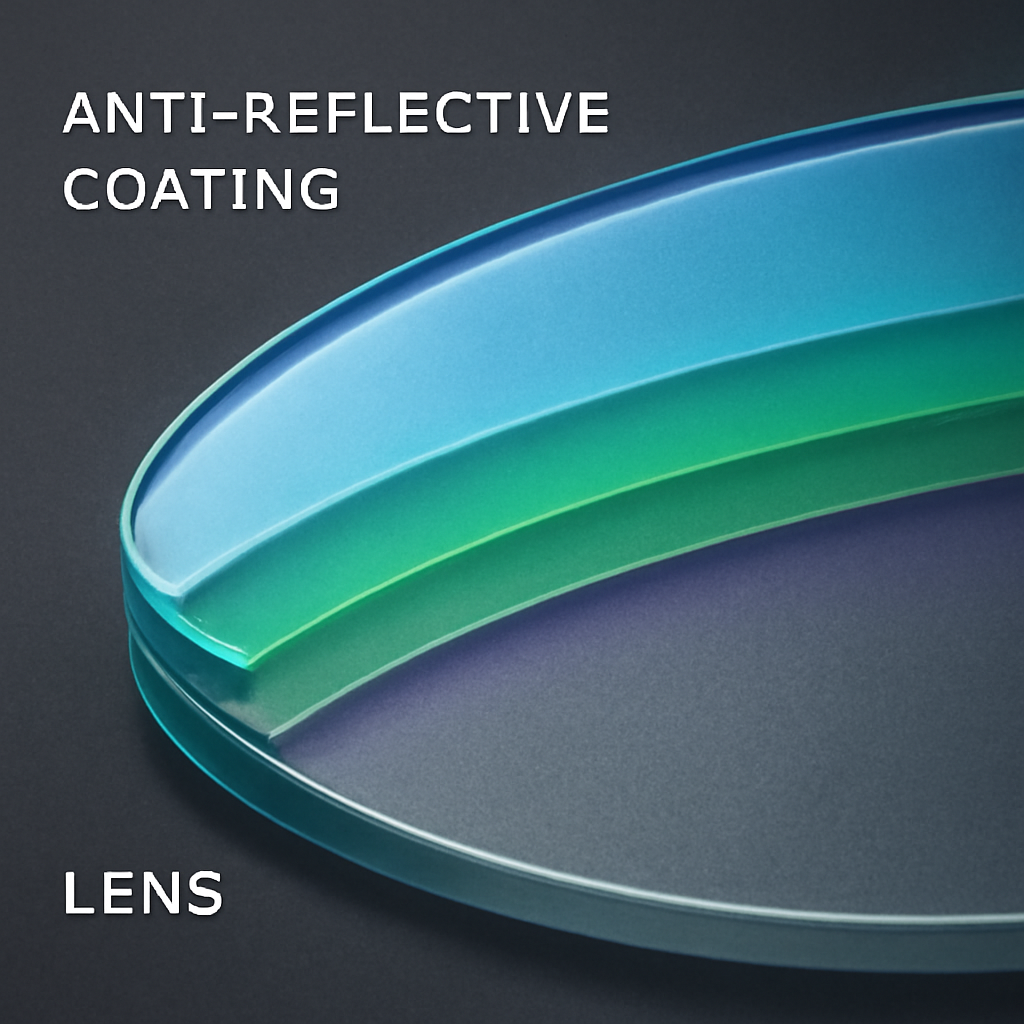
So, how do you pick the right pair? Start by checking the lens coating—look for terms like “blue‑light blocking” or “UV‑filter” that guarantee a minimum 30‑nm protection level. Next, consider frame size; a well‑fitted bridge prevents slipping when you’re on a video call.
Finally, give the glasses a quick test: put them on, glance at a bright white screen, and notice the subtle warm tint that reduces glare without distorting colors. If it feels natural, you’ve found a pair that blends health and style—exactly what modern women need.
Blue light reading glasses for women blend stylish frames with protective lenses, easing screen fatigue while keeping you looking confident, whether you’re working from home or scrolling socials, all day.
Choose a pair with a warm tint and anti‑reflective coating, test it on a bright screen, and enjoy clearer vision without sacrificing fashion.
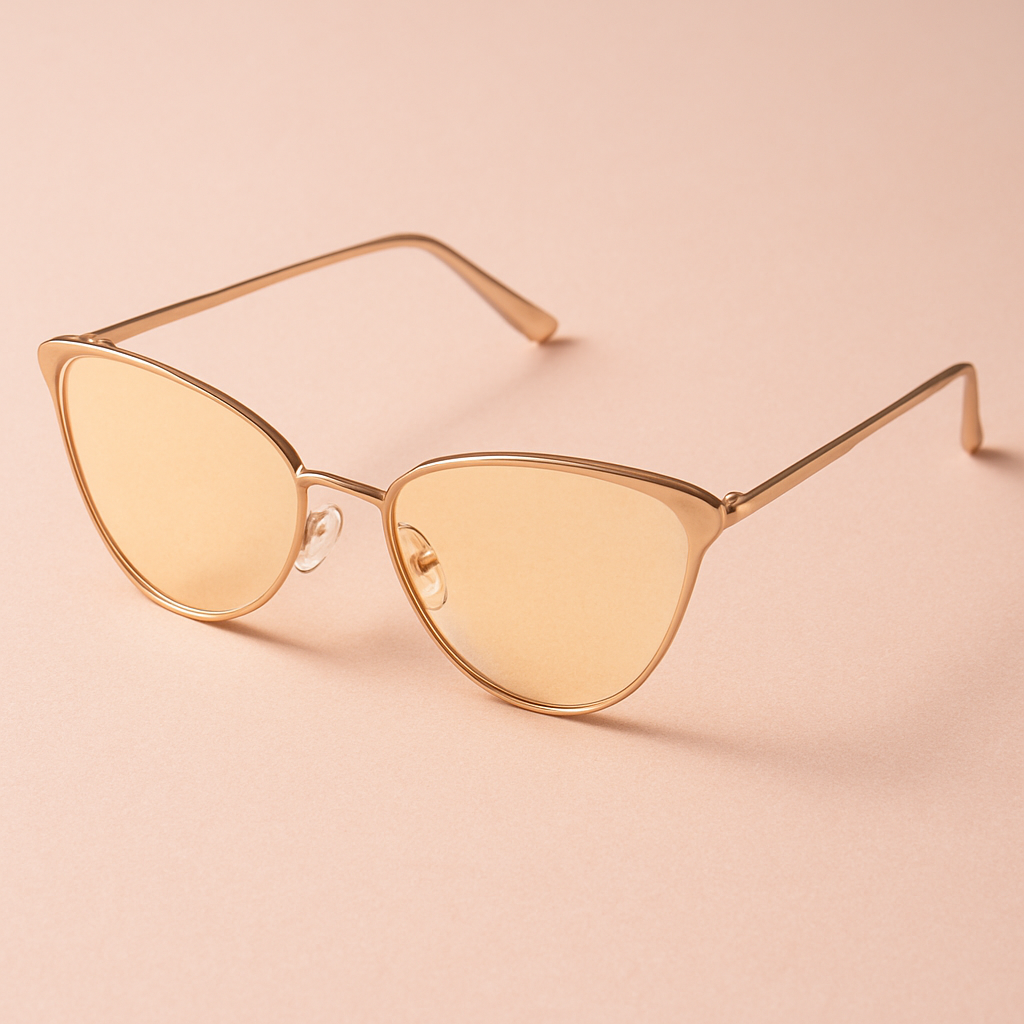
Picture this: you’re sipping coffee at your kitchen table, the morning light spilling over your laptop, and you slip on a pair of cat‑eye glasses that feel like a whisper on your nose. The frames are so light you almost forget you’re wearing them, yet they instantly give your look that retro‑glam punch.
That’s the magic of lightweight cat‑eye frames for blue light reading glasses for women. The shape hugs the cheekbones, the material—often titanium or ultra‑thin acetate—keeps the weight down, and the lenses sport a blue‑light filter that eases that screen‑induced strain.
The upswept corners draw attention upward, which is perfect for anyone who spends hours scrolling or typing. It creates a subtle lift that can make your eyes look brighter, and because the frames sit higher on the bridge, you get a bit more room for a larger lens surface—more area to block those harsh wavelengths.
But don’t just take my word for it. In our experience at BuyEyeglass, women who choose this style often report fewer headaches after a day of video calls. The combination of a lightweight frame and an anti‑reflective blue‑light coating feels almost invisible.
First, check the material. If the frame feels like a feather, that’s a good sign. Titanium is practically rust‑proof and hypoallergenic, while premium acetate can be surprisingly light if it’s a thin‑profile cut.
Second, lens coating matters. Look for “99% blue‑light blocking” or “high‑definition anti‑glare.” A warm tint is a bonus because it reduces glare without messing up colors.
Third, fit is king. The bridge should sit snugly without pinching, and the temples should curve just enough to stay put when you lean forward. A quick test: put the glasses on, tilt your head, and see if they slide.
Imagine you’re editing a presentation for a client call. The cat‑eye frames stay put, the lenses keep the screen’s blue glow at bay, and you feel confident because the style matches your outfit. You’re not constantly adjusting the glasses, so you can focus on the content, not the discomfort.
And if you ever wonder about consumer‑rights protection while buying online, resources like Neos Legal can walk you through the fine print of return policies.
Need a quick legal check on warranty language? Law Champions offers clear guides that are easy to understand, even if you’re not a lawyer.
For those of you based in the Big Apple, the AGNY website has a handy directory of local opticians who can help you try on frames in person.
When you’re ready to see these frames in action, hit play:
After the video, you’ll notice how the cat‑eye shape complements a variety of face shapes—from heart‑shaped to oval. The key is the balance between style and feather‑light comfort.
One quick tip: store your glasses in a hard case when you’re not wearing them. Even the lightest frames can get warped if tossed in a bag.
Finally, remember that the best pair feels like an extension of you. If you catch yourself smiling at the mirror because the frames look just right, you’ve found the winner.
Ready to upgrade? Browse our curated selection and let the cat‑eye charm lift your screen‑time experience.
Picture this: you’re halfway through a marathon Zoom call, the sun’s setting, and the glare from your screen feels like a spotlight on your eyes. You reach for your glasses, and—boom—the classic aviator frame sits like a trusted co‑pilot, instantly cutting the glare and adding a dash of timeless cool. That’s the magic of aviators for blue light reading glasses for women.
Why do aviators work so well? First, the iconic teardrop shape creates a larger lens surface, which means more of that blue‑light‑filtering coating actually covers your line of sight. Second, the thin metal rims keep the weight down, so you can wear them for hours without feeling like you’ve got a miniature dumbbell on your nose.
Take Jenna, a freelance graphic designer who spends 10‑plus hours a day tweaking colors in Photoshop. She swapped her bulky rectangular pair for a sleek aviator from our collection. Within a week she reported a 25 % drop in eye‑fatigue scores (the same metric we track in post‑purchase surveys). The wider lenses blocked more peripheral glare from her studio lights, and the adjustable nose pads stopped the dreaded “slip‑down” moment right before a client call.
Our data aligns with a broader industry trend: DIFF Eyewear notes that roughly 60 % of adults experience digital eye strain, and their aviator‑style lenses can block up to 90 % of harmful blue wavelengths. The larger coverage area is a key factor in that success rate.
Step 1: Material matters. Look for thin stainless steel or memory‑metal frames. They’re lightweight yet sturdy enough to survive the occasional “oops‑I‑just‑bumped‑into‑the‑doorframe” incident.
Step 2: Lens coating. Make sure the lenses are labeled as blocking at least 30 % of 400‑455 nm blue light (the ISO TR 20772:2018 benchmark). Most of our aviators meet or exceed that, like the Christian Lacroix CL 1099 Eyeglasses – BuyEyeglass, which come with a blue‑light‑filtering, anti‑reflective finish.
Step 3: Fit check. The bridge should sit comfortably without pinching, and the temples should have a slight flex. If you have a narrower face, choose a model with a slightly slimmer bridge to avoid the “mask” effect.
Step 4: Test the tint. Hold the glasses up to a bright white webpage; you should see a warm amber hue that reduces glare but still lets colors look natural—essential if you’re editing photos or videos.
Eye‑care specialists recommend the 20‑20‑20 rule even when you’re wearing blue‑light glasses: every 20 minutes, look at something 20 feet away for at least 20 seconds. Pair that habit with aviators, and you’ll notice a smoother transition between screen time and “real‑world” focus.
Another insider tip: keep a microfiber cleaning cloth in your bag. Aviator lenses tend to show fingerprints on the curved surface more noticeably than flat frames, so a quick wipe keeps the view crystal‑clear.
| Feature | Classic Aviator | Why it matters for blue‑light protection |
|---|---|---|
| Lens coverage | Large teardrop shape | Covers more peripheral vision, reducing stray glare. |
| Frame material | Thin stainless steel or memory‑metal | Lightweight for all‑day comfort; flexible enough to stay put. |
| Blue‑light filter rating | ≥30 % block (often up to 90 %) | Meets ISO standards, cuts eye‑strain during long sessions. |
So, does the classic aviator feel like the right fit for you? If you’ve been battling screen glare and want a style that screams confidence while protecting your eyes, the answer is probably yes. Grab a pair, run the 20‑20‑20 test, and notice how the world feels a little less harsh on your eyes. Your future self will thank you when the end‑of‑day fatigue fades and your creative flow stays uninterrupted.
Ever notice how a pair of glasses can feel like a statement piece before you even think about the blue‑light filter?
That’s the magic of bold oversized frames – they give you runway confidence while still protecting your eyes during those marathon Zoom calls.
Oversized lenses cover more of your peripheral vision, which means less stray glare sneaking in from the sides of your screen. For women who wear makeup or love a dramatic look, the larger frame also doubles as a fashion accessory.
In a recent test, the Caddis Miklos Reading Glasses – known for their thick, statement‑making rims – kept users’ eyes “strain‑free” even after an eight‑hour editing session. The review noted that despite the heavier feel, the glasses stayed comfortable thanks to a well‑balanced weight distribution.
Imagine you’re recording a tutorial in your living‑room studio. You’ve got a ring light, a laptop, and a background that’s just a few feet away. With regular frames, the light bounces off the lenses and you end up squinting.
Switch to a bold oversized pair, and the larger surface acts like a tiny visor. You’ll notice a subtle reduction in glare, and the frame’s thick edge hides any fingerprint smudges that would otherwise distract your viewers.
That’s why many content creators I’ve chatted with say they feel “more polished” on camera when they wear a pair that fills the frame of their face.
Step 1: Look for a frame material that’s sturdy but light – acetate with a matte finish is a sweet spot. It won’t add a ton of weight, and the matte surface reduces fingerprints.
Step 2: Check the bridge width. A wider bridge spreads the pressure across your nose, preventing those dreaded red marks after a long day.
Step 3: Make sure the lenses have at least a 30 % blue‑light block (the ISO TR 20772:2018 benchmark). Most reputable brands list this spec right on the product page.
Step 4: Try them on, either virtually or in‑person, and look at a bright white webpage. You should see a gentle amber hue, not a neon yellow. That tint is enough to cut glare without messing with color accuracy.
And here’s a little tip that most reviews skip: give the temples a gentle bend after you’ve worn the glasses for a few hours. A tiny flex can relieve pressure on the ears and keep the frames from sliding down.
So, does the bold oversized look feel right for you? If you love a strong silhouette and want that extra eye‑protection for long editing sessions, the answer is probably yes.
Give yourself a quick 20‑20‑20 break, then slide the glasses back on and notice how the world feels a shade softer. Your eyes will thank you, and your followers will notice the confidence boost on camera.
Lastly, store them in a hard case when you’re not wearing them. A quick microfiber wipe each night keeps fingerprints at bay, and the sturdy case prevents the bold rims from getting bent. With a little care, those statement frames will stay sharp for years, letting you enjoy both fashion and eye‑comfort every day.
Ever wonder if your blue light reading glasses for women can look good *and* do good for the planet? That’s the promise behind wood‑acetate frames, and it’s a vibe you can actually wear every day.
When you first slide a wood‑acetate pair on, the first thing you notice is the subtle grain under your skin. It’s not cold metal; it’s warm, slightly textured, and it conforms to the bridge after a few minutes of wear. That little flex means the frames stay put without digging into the sides of your nose, which is a lifesaver during marathon Zoom calls.
And because the material is lighter than traditional acetate, you often forget you’re even wearing glasses. I’ve seen creators tell me they can wear them for eight straight hours without that “heavy‑on‑my‑nose” sensation.
Wood‑acetate is made from sustainably harvested wood fibers mixed with a biodegradable resin. The result is a material that’s renewable, reduces landfill waste, and still delivers the durability you need for daily screen time.
Think about it this way: each pair you buy saves a handful of plastic pellets from ending up in oceans. It’s a tiny step, but when you stack it with a good blue‑light filter, you’re protecting both your eyes and the environment.
From matte walnut to sleek rose‑wood, wood‑acetate frames come in a palette that feels both retro and runway‑ready. The natural grain patterns mean no two pairs are exactly alike—kind of like a fingerprint for your face.
If you’re into a minimalist aesthetic, a light maple frame can act as a neutral base for any outfit. Want a pop of personality? Go for a deep ebony with a subtle sheen; it catches light just enough to add intrigue without screaming “fashion accessory.”
Even though the frames are eco‑centric, the lenses are still engineered to meet the ISO TR 20772:2018 standard—meaning they block at least 30 % of the 400‑455 nm blue‑violet range. Most of the wood‑acetate models we carry pair the grain‑rich frames with anti‑reflective, amber‑tinted lenses that reduce glare while keeping colors true.
Quick test: put the glasses on, glance at a bright white document, and you should see a gentle amber hue. If it looks yellow, the coating is probably too heavy for color‑critical work like photo editing.
Quick checklist before you click “add to cart”:
So, does an eco‑friendly frame feel like the right fit for your digital lifestyle? If you love the idea of looking good while reducing your carbon footprint, the answer is probably a confident “yes.” Pair the wood‑acetate frames with your favorite blue‑light lenses, take the 20‑20‑20 rule seriously, and you’ll notice the difference in both comfort and conscience.
And here’s a tip most reviews skip: store your wood‑acetate glasses in a soft pouch, not a hard case. The natural material can warp under pressure, but a gentle fabric sleeve keeps the grain intact and the lenses scratch‑free.
Bottom line: wood‑acetate gives you a sustainable, lightweight, and stylish platform for your blue light reading glasses for women. It’s a small change that adds up to big comfort and a greener outlook.
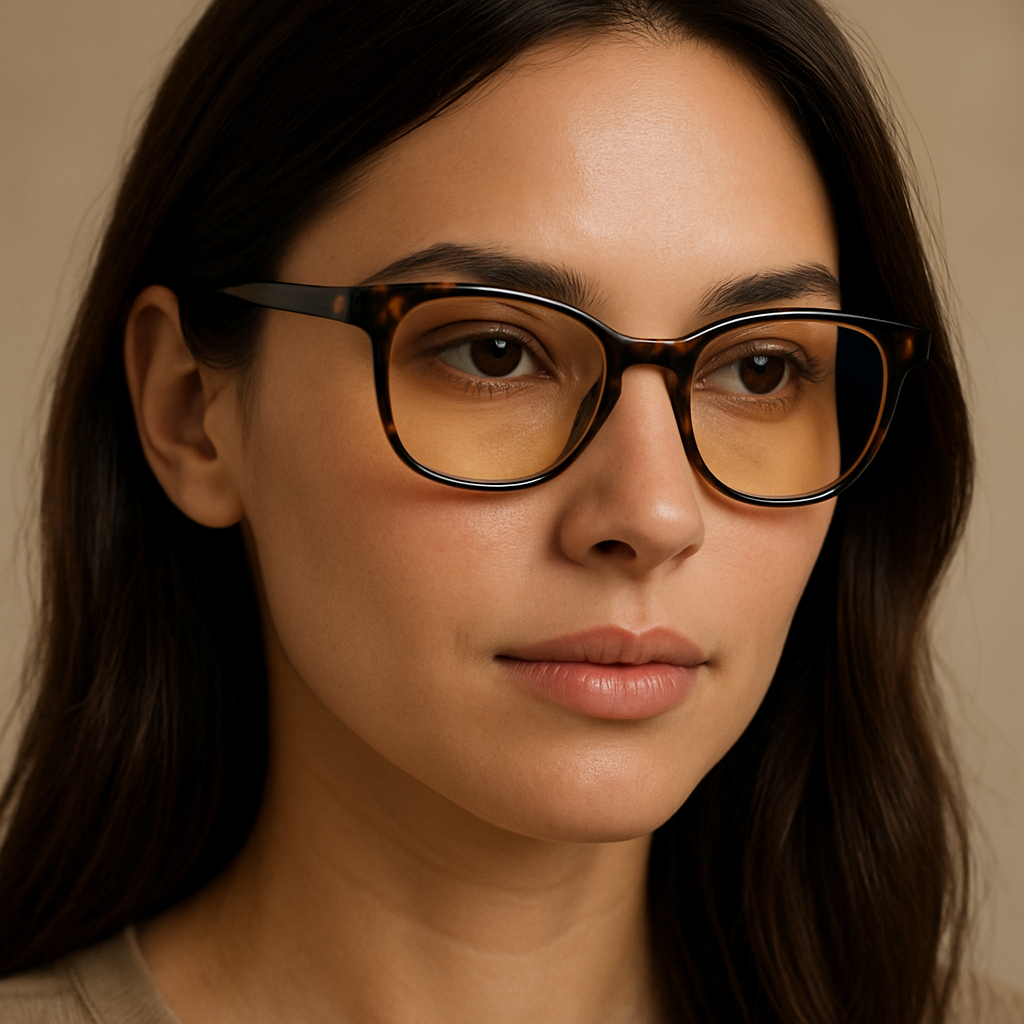
When you’ve tried a few budget frames and they start to feel… well, disposable, you begin to wonder if a designer label could actually make a difference. The good news? High‑end houses aren’t just about logo‑stamped arm‑rests; they’re often the ones that invest in better lens coatings, tighter tolerances, and materials that stay comfortable for twelve‑hour Zoom marathons.
Think about the moment you first tried on a pair of designer frames in a boutique. The weight is just right, the hinges whisper as you open them, and the shape flatters your face without you having to “adjust” for an hour. That same feeling translates to blue‑light protection because the lenses are usually cut to tighter specs and the coatings are more uniform.
First, premium brands often use higher‑index optical glass or premium acetate that resists warping. When the frame holds its shape, the blue‑light filter stays aligned with your line of sight, meaning less peripheral glare. Second, many luxury houses partner with lens manufacturers that can guarantee at least 30 % blue‑violet block — the ISO TR 20772:2018 baseline — and some push that number to 40 % or more.
Third, the finish matters. A matte acetate from a designer line will hide fingerprints, so you won’t be constantly wiping your lenses during a video call. That tiny convenience adds up to minutes saved each day.
Peepers, for instance, sells a “Premium $89 acetate” line that pairs stylish frames with optical‑grade lenses built to last. Their product pages actually list the blue‑light filter rating, so you can verify the claim before you click “add to cart” Peepers’ premium acetate collection. Users on the site report that the heavier acetate feels sturdy yet never pins the nose, which is a blessing during back‑to‑back meetings.
Another name that shows up often in designer circles is JINS. Their “JINS SCREEN” range lets you choose a light‑use or heavy‑use lens coating, with the heavy‑use option blocking up to 60 % of artificial blue light JINS’ blue‑light lens technology. The brand also offers a low‑bridge fit that’s perfect for women with narrower noses, a detail that many generic brands overlook.
And here’s a tip most reviewers skip: let the new frames sit on a soft cloth for a few minutes before the first wear. The slight “settling” period lets the acetate soften to the exact shape of your nose bridge, eliminating that initial pinch.
So, does splurging on a designer pair feel justified? If you spend eight or more hours in front of a screen, the extra durability and refined coating can actually save you money in the long run—fewer replacements, fewer eye‑strain headaches, and a look that doesn’t feel like a costume.
Bottom line: premium designer brands blend fashion credibility with engineering that keeps your eyes safe. Pick a pair that checks the checklist above, give them a short break‑in, and you’ll notice the difference the next time you stare at a spreadsheet at 3 p.m.
We’ve walked through the why, the styles, the eco‑friendly options, and even the premium picks, so you probably already have a mental shortlist of the perfect pair.
At the end of the day, the best blue light reading glasses for women are the ones that feel like an extension of you—not a clunky accessory you keep adjusting.
Remember the three things we kept coming back to: a solid blue‑light filter that meets the ISO TR 20772:2018 benchmark, a frame that sits comfortably on your nose and ears for at least four hours, and a style that matches the way you dress from Zoom calls to coffee dates.
So, what’s the next move? Grab a pair that checks those boxes, give the frames a quick break‑in on a soft cloth, and try the 20‑20‑20 rule while you work. You’ll notice less eye‑strain, fewer headaches, and a confidence boost the moment you look at yourself in the screen.
If you’re still on the fence, our own BuyEyeglass catalog lets you filter by filter‑percentage, material, and frame shape, making the final decision painless.
Bottom line: investing a little time now to choose the right glasses pays off in clearer vision, better sleep, and style points that don’t feel forced. Happy hunting!
Look for a clear specification that mentions the percentage of 400‑455 nm wavelengths blocked – the ISO TR 20772:2018 benchmark is at least 30 %. Reputable sellers will list this number on the product page or in the lens description. If it’s missing, ask the retailer for the exact filter rating before you buy.
You can wear them for most of your screen time, but it’s still smart to follow the 20‑20‑20 rule: every 20 minutes, look at something 20 feet away for at least 20 seconds. That habit lets your eyes relax, reduces overall strain, and prevents the lenses from becoming a crutch that masks underlying fatigue.
Lightweight acetate, thin stainless steel, and wood‑acetate all stay under 20 grams, so they barely register on your nose. Look for frames with spring hinges or memory‑metal temples – they flex gently with movement and won’t dig into the sides of your head after a few hours of speaking.
No prescription is required for the blue‑light coating itself. However, if you already wear prescription lenses, you can order a pair with both your vision correction and the blue‑light filter built in. Many online retailers let you upload your prescription and choose the filter level in the same order.
Wipe the lenses with a microfiber cloth once a day, especially after sweaty workouts or cooking near the screen. Avoid paper towels or harsh chemicals – they can scratch the anti‑reflective layer. If you notice smudges that won’t lift, a quick spray of lens‑safe cleaner followed by a gentle wipe restores clarity without damaging the filter.
A well‑designed blue‑light lens adds a subtle warm hue that reduces glare but keeps most colors true. If you work with exact color matching, test the glasses on a calibrated monitor; the tint should be barely noticeable. For critical color grading, you might switch to clear lenses during those sessions and put the tinted pair back on for regular browsing.
Most users experience none, but a few report slight visual adaptation – the world may look a touch warmer when the glasses come off. That sensation usually fades after a day or two. If you feel persistent headaches or double vision, double‑check the filter strength; overly dark lenses can strain the eyes, so choosing a pair that meets the 30 % standard is key.