Ever caught yourself squinting at the laptop screen after a long Zoom call, wondering why your eyes feel like sandpaper?
You’re not alone – most of us spend hours staring at phones, tablets, and monitors, and the tiny blue‑light waves they emit can leave us feeling drained, foggy, or even give us a headache that just won’t quit.
That’s where blue light blocking prescription glasses step in, acting like a subtle shield that lets you keep your vision sharp while the harsh glare gets filtered out.
In our experience at BuyEyeglass, we’ve seen countless customers trade that tired, gritty feeling for a clear, comfortable view, simply by swapping their regular lenses for a pair that blocks the blue spectrum.
But how do they actually work? Think of the lenses as a gentle tint that absorbs the high‑energy blue photons, reducing the amount that reaches the retina. The result? Less strain, better sleep quality, and a smoother transition from screen time to bedtime.
Picture this: you’re winding down after a night of editing photos, and instead of reaching for the pills that promise better sleep, you just slip on your prescription glasses and feel the tension ease away. It’s a small change with a surprisingly big payoff.
So, if you’re juggling a prescription for nearsightedness or farsightedness and also need protection from digital glare, there’s no reason to settle for two separate pairs. One pair can do both jobs – correct your vision and filter out blue light.
And here’s a quick reality check: you don’t have to splurge on designer frames to get the benefit. Many affordable styles on the market combine stylish design with the right lens coating, making it easy to match your work wardrobe or casual look.
Now you might wonder, “Do I really need them if I already wear regular glasses?” Honestly, if you spend more than a couple of hours a day in front of a screen, the extra layer of protection is worth considering. Even occasional users report reduced eye fatigue after just a week of wear.
Ready to give your eyes a break? Keep reading, and we’ll walk through the key features to look for, how to choose the perfect fit, and a few tips to maintain your lenses so they stay effective for years.
Blue light blocking prescription glasses let you see clearly while shielding your eyes from digital glare, reducing fatigue and improving sleep after long screen sessions.
Choose affordable, stylish frames with proper lens coating, and you’ll notice calmer eyes and smoother evenings without juggling multiple pairs for work and play daily.
Ever wonder why after a marathon Zoom session your eyes feel like they’ve run a sprint? The culprit is often the invisible blue‑light glare that floods our screens. That’s where blue light blocking prescription glasses step in – they’re not just a fashion statement, they’re a tiny shield for your retina.
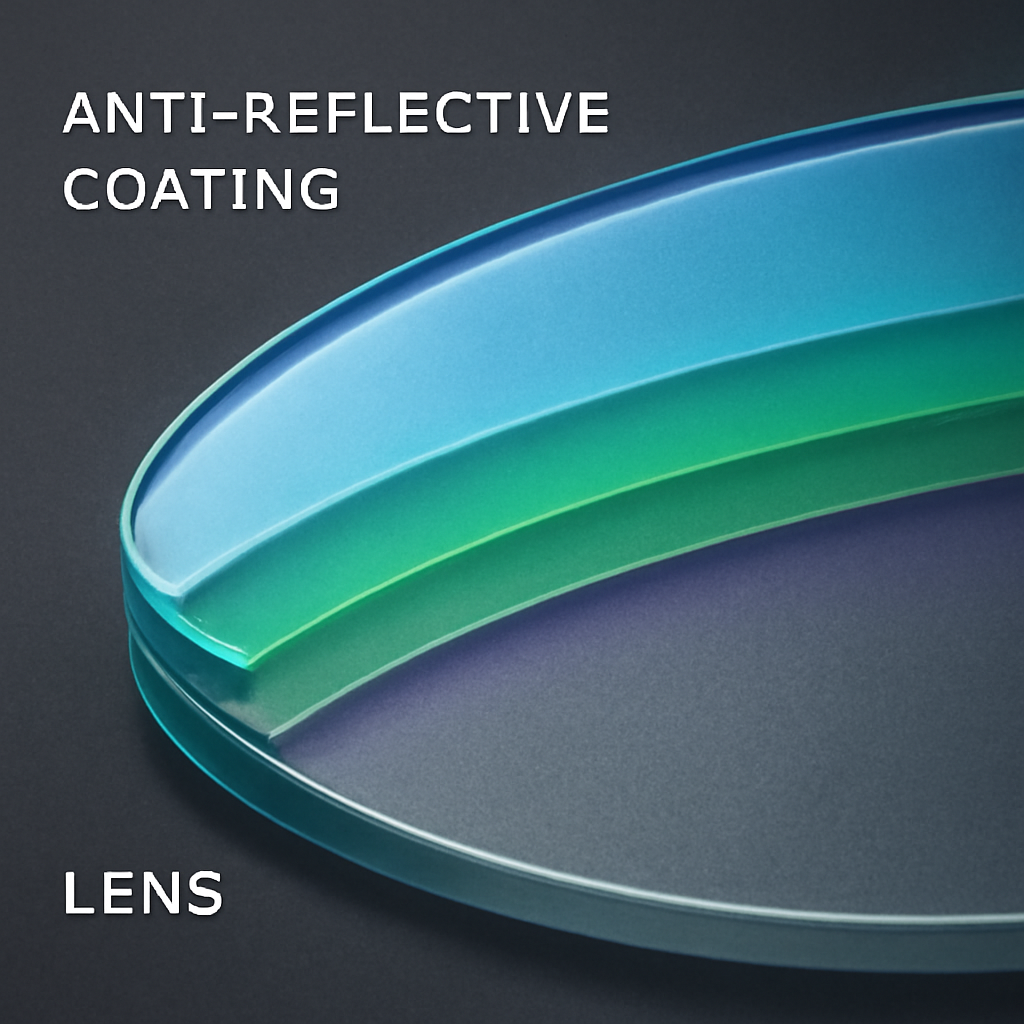
Blue photons carry more energy than longer wavelengths, and over time they can irritate the photoreceptors at the back of your eye. The special coating on these lenses absorbs a chunk of that light, so less of it reaches your retina. Think of it as putting sunglasses on a sunny day, but for the digital world.
When the blue glare is muted, the muscles that focus your eyes don’t have to work as hard. You’ll notice fewer “sandpaper” feelings after a couple of hours of scrolling. In our experience at BuyEyeglass, customers report feeling “lighter” after just a week of wear.
Exposure to blue light late in the day tricks your brain into thinking it’s still daytime, suppressing melatonin. By the time you’re ready to hit the pillow, your internal clock is still buzzing. Blocking that light in the evening lets melatonin rise naturally, so you drift off faster.
There’s ongoing research about blue light contributing to macular degeneration. While the science isn’t settled, many eye specialists recommend reducing unnecessary exposure as a precaution. A simple lens upgrade can be a low‑effort way to play it safe.
Instead of juggling two pairs – one for prescription, another for blue‑light filtering – you get a single, seamless solution. That means no more swapping glasses between work and bedtime, and you keep your look consistent.
So, does all that sound like a win? Absolutely. And if you’re curious about specific styles that blend comfort with protection, check out our guide to the Top 7 Computer Reading Glasses for Women to Boost Screen Time Comfort. You’ll see options that suit both your prescription needs and aesthetic taste.
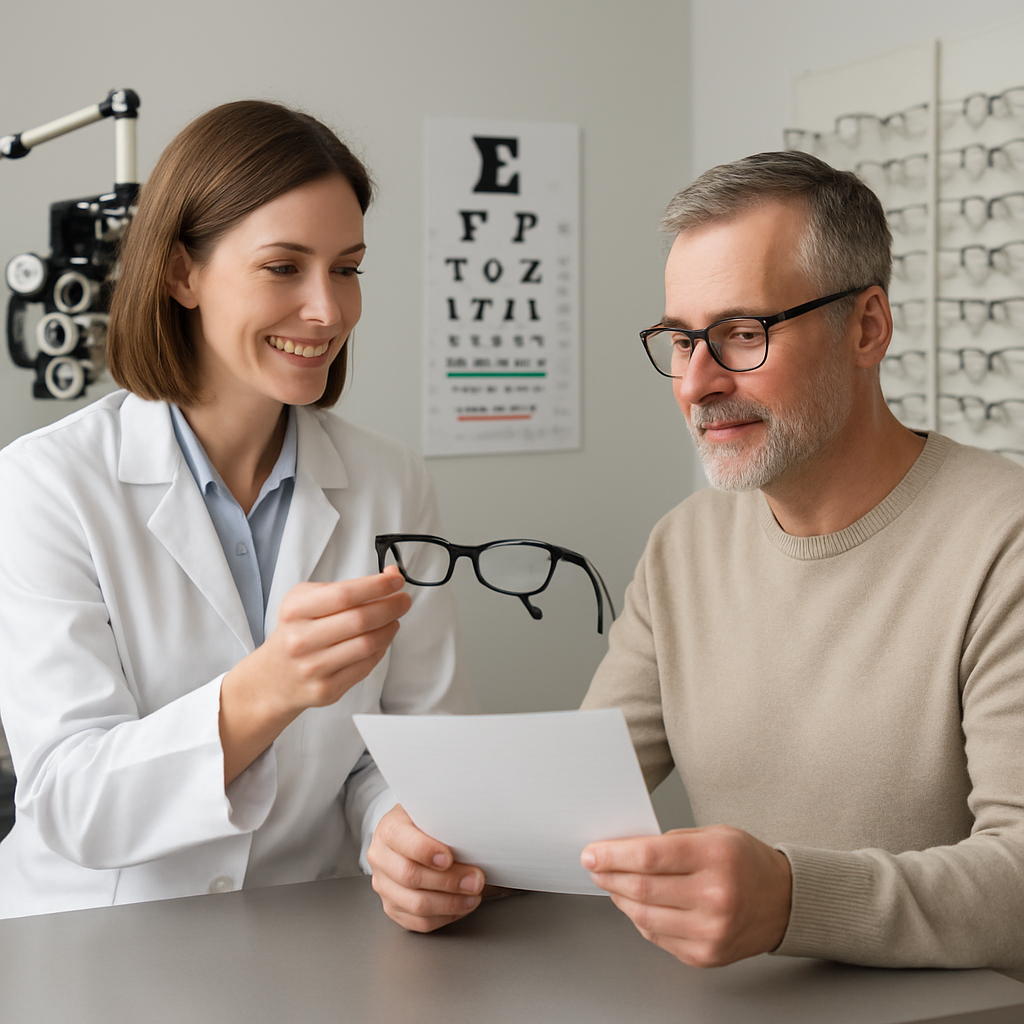
Now, a quick note on getting the right prescription. Before you order, it’s smart to schedule an eye exam. A trusted eye surgeon like Dr Rahul Dubey can verify your prescription and discuss how much blue‑light exposure you actually get in a typical day.
And here’s something you might not have considered: blue light isn’t just hard on the eyes, it can also affect the delicate skin around them. Prolonged exposure may accelerate fine lines and dark circles. Pairing your new glasses with a skin‑care routine from Uncover Skincare Oceania can give your eye area a double dose of protection.
Below is a short video that walks through how the coating is applied and why it matters.
Seeing the process in action helps demystify the technology – it’s basically a nanometer‑thin film that bonds to the lens surface, invisible to the eye but mighty against blue photons.

Finally, a couple of practical tips: keep your lenses clean with a microfiber cloth (avoid paper towels), and store them in a hard case when you’re not wearing them. A little care extends the life of the coating, so you keep reaping the benefits day after day.
Give your eyes the break they deserve – the next time you settle in for a long screen session, let your glasses do the heavy lifting.
Not all tints are created equal. The real magic lives in the microscopic pigments that sit inside the lens and target the 440‑455nm band – the peak energy range that most digital screens emit. When a coating can knock out at least 50% of that slice, you’ll notice less glare and a cooler, more comfortable view after a few hours of Zoom meetings.
BlockBlueLight breaks this down nicely, explaining that effective daytime lenses “filter blue light by 50% across the entire blue light spectrum (380‑500nm)” and that cheap clear lenses often miss the mark entirely.learn more about how the technology works.
Imagine slipping on a pair that looks great but leaves you squinting because the prescription is off by a diopter. The lenses have to match the exact numbers from your latest eye exam; otherwise you’re trading comfort for a fuzzy view.
What we’ve seen at BuyEyeglass is that a quick verification step – hold the glasses up to a printed eye chart – can save you from ordering a second pair later.
Even the best blue‑light filter can bounce light around the frame, creating ghosting on your screen. An AR coating on the front and back of the lens cuts those reflections, so the only thing you see is the content you’re working on.
Pro tip: wipe the lenses with a microfiber cloth designed for AR coatings; regular paper towels can scratch that delicate layer.
Because you’ll be sliding these glasses on and off all day, you need a surface that can take a few bumps. A hard coating adds durability without compromising the blue‑light filtering pigments.
We often recommend a pair that’s rated at least 3H on the Mohs scale – it feels like a subtle shield against everyday wear and tear.
Weight, nose pad material, and hinge flexibility matter more than the colour of the frame. Look for lightweight acetate or titanium frames with adjustable nose pads; they stay put without pinching.
If you’ve ever had glasses slide down during a call, you know the distraction is real. A well‑balanced frame keeps the lenses at the optimal distance (about 25‑30 mm) from your screen, which is the sweet spot for reducing eye strain.
Seeing the technology in action can help you decide which feature set matters most for your workflow. The video walks through a side‑by‑side comparison of lenses with and without the proper pigment blend.
If you spend your day tweaking photos or UI mock‑ups, you’ll want a lens that doesn’t shift hues. A slight amber tint is fine, but look for “neutral” or “low‑color‑shift” specifications – they preserve the true colours while still blocking the harmful blue peaks.
Many designers I’ve chatted with swear by lenses that keep the 550‑nm green spectrum intact, because that’s where most colour grading lives.
Manufacturers love to shout “100% blue‑light blocking” on the box. In reality, only night‑time glasses should aim for full blockage, and they’re meant for use after sunset. For daytime work, a 40‑50% filter is the sweet spot – enough to protect, but still let your brain get the alertness it needs.
Ask the seller for a spectral transmission chart. If they can’t provide one, that’s a red flag.
Look for a clear warranty on both the lenses and the frame. A 12‑month lens guarantee usually covers scratches and coating peeling – a sign the brand stands behind its product.
And don’t forget a simple cleaning kit; a good spray and cloth combo can keep the AR and pigment layers pristine for years.
Ever looked at a shelf of blue‑light blocking prescription glasses and felt completely lost? You’re not the only one – the choices feel endless, and the specs can sound like a tech‑spec sheet you’d read before buying a laptop.
Let’s cut through the noise. Below are the five practical angles you can use right now to match a pair to the way you actually live, work, and unwind.
First, ask yourself where you spend the most screen time. Is it a home office with a dual‑monitor setup? A coffee‑shop laptop‑crazed freelance hustle? Or late‑night gaming sessions that stretch into the early morning?
If your day is dominated by bright office lighting and you need crisp colour for design work, you’ll want a low‑tint, “neutral” coating that preserves the 550‑nm green spectrum (the sweet spot for colour grading). If you’re a night‑owl gamer, a slightly deeper amber hue can help signal your brain that it’s time to wind down.
In a recent NY Times Wirecutter review, testers highlighted how a subtle tint felt “barely perceptible” yet still gave a noticeable reduction in glare – perfect for people who can’t tolerate a full‑on orange lens.
Nothing ruins a day of focus faster than glasses that keep sliding down your nose or pinching the temples. Look for adjustable nose pads (silicone is a win) and flexible hinges. If you have a round face, rectangular frames add contrast; if you’re more angular, soft‑edged acetate can soften the look.
Real‑world example: a freelance graphic designer I chatted with swapped a heavy acetate pair for a lightweight titanium frame with spring hinges. The new frames stayed put during marathon client calls, and the lighter weight meant fewer headaches.
For daytime use, aim for a 40‑50% block of the 440‑455 nm band – enough to reduce eye‑strain without dulling your visual acuity. Night‑time glasses can go up to 70‑80% if you’re trying to boost melatonin production before bed.
One of our customers who works long evenings as a software engineer tried a 75% filter pair and found that his “late‑night scrolling” no longer kept him up. He switched to a 45% pair for daytime and kept the stronger pair in the drawer for after‑dinner use.
Anti‑reflective (AR) coating on both sides is a must if you’re on video calls – it eliminates ghosting on the screen. Scratch‑resistant hard coating (at least 3H on the Mohs scale) keeps the lenses looking new after countless trips to the coffee shop.
Don’t forget a UV‑blocking layer if you’ll also wear them outdoors. Many modern lenses bundle UV, AR, and blue‑light filters into one package, which saves you from juggling multiple pairs.
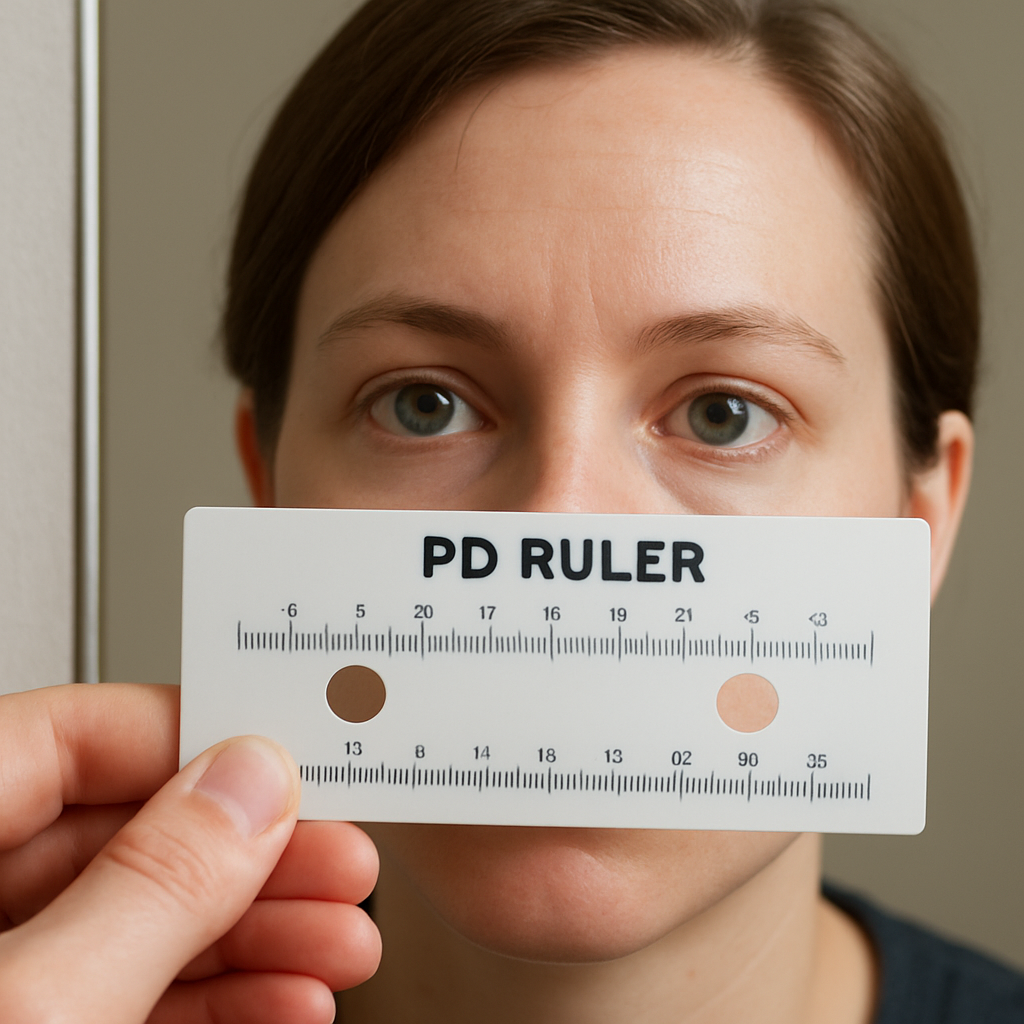
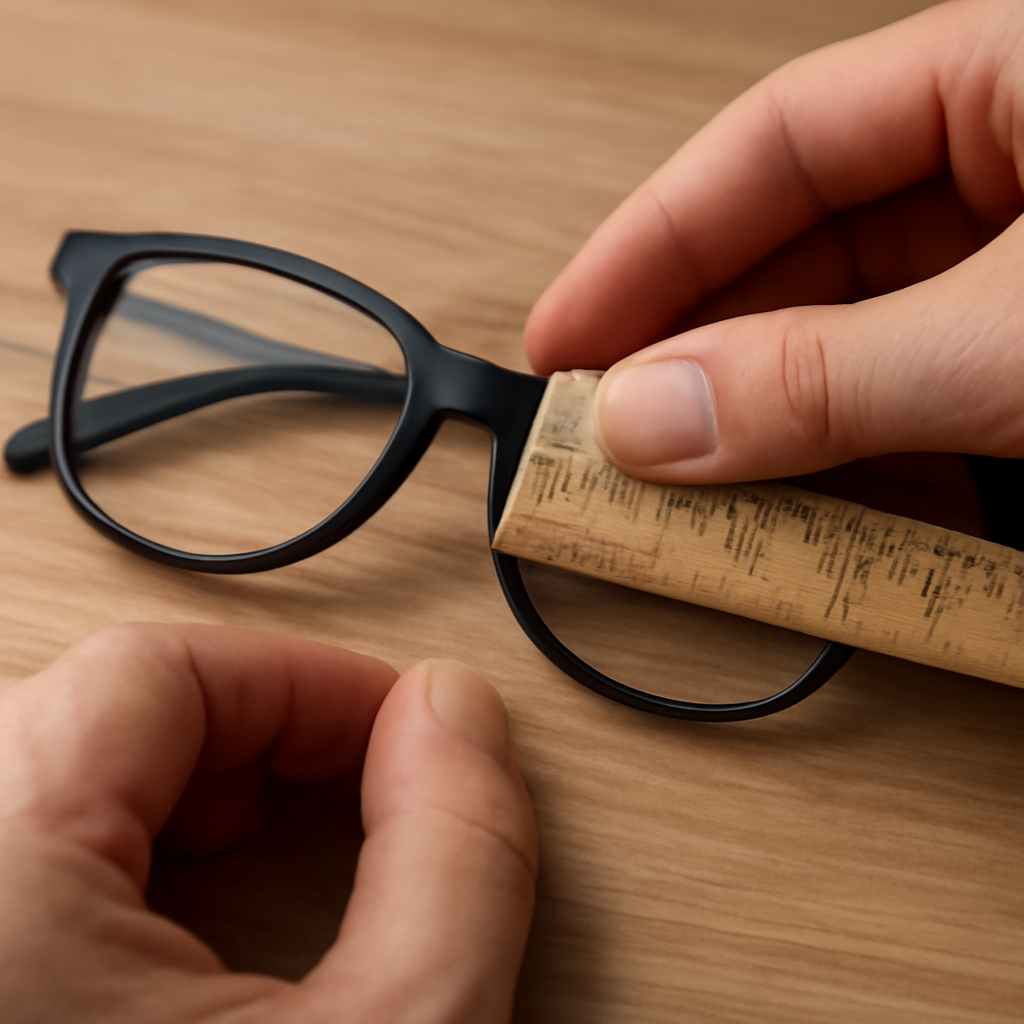
Even the best‑designed pair can feel off if the measurements don’t match your face. Measure your current glasses (lens width, bridge, temple length) and compare them to the specs on the product page. If the retailer offers a hassle‑free 30‑day return, order two styles, try them at home, and keep the one that feels like a natural extension of your head.
One tester from the Wirecutter roundup said, “I forgot that they were on my face,” after finding a pair with a perfect fit and lightweight frame.
Now that you’ve got a roadmap, here’s a quick checklist to run through before you click “Add to Cart”:
Follow these steps, and you’ll end up with a pair that feels custom‑made for the way you live – not just a generic “one‑size‑fits‑all” solution.
When it comes to blue light blocking prescription glasses, the market feels like a candy store – every brand claims a different % of protection, a unique tint, or a magic coating. So, how do you cut through the hype and actually see which pair matches your screen‑filled life?
Below is a quick‑hit list of four brands that keep popping up in our customer chats, plus a reality check from the science side. Think of it as a grocery‑list for your eyes.
DIFF markets its lenses as “high‑quality blue‑light filter” with a premium scratch‑resistant nylon core and a backside anti‑reflective coating. The brand says its lenses block roughly 40‑50% of the 380‑500 nm band, which is enough for daytime use without turning your world orange.
What we hear from real users is that the frames feel lightweight – a big plus if you’re on back‑to‑back Zoom calls. The anti‑glare coating also cuts the screen reflections that make you squint. If you need a little extra night‑time help, DIFF offers an amber‑tinted line that pushes the block up toward 70%.
For a deeper dive into DIFF’s specs, check out their blue‑light blocking collection.
Warby Parker’s blue‑light lenses are designed for the office crowd. They aim for a modest 30‑40% block, keeping colour fidelity for designers who can’t afford a hue shift. The lenses are coated with a standard AR layer and a hard‑scratch finish, but they skip the amber tint entirely.
Customers love the “no‑color‑shift” vibe, but some report that the lower block isn’t enough for late‑evening screen time. If you work 9‑to‑5 and only need a little glare reduction, they’re a solid, budget‑friendly pick.
Felix Gray advertises a 45% blue‑light filter for its “Daily” lenses and a 70% amber version for night use. Their claim is backed by lab‑tested spectral transmission charts – a rarity in the space.
The frames use lightweight titanium with spring hinges, so they stay put during long meetings. Users often note the lenses feel “almost invisible” during the day, yet the amber pair really helps them wind down after 8 pm.
EyeBuyDirect offers a range of blue‑light prescription glasses that start at about 35% block for clear‑tint lenses and go up to 60% for a subtle amber. Their lenses include a dual‑side AR coating and a 3H scratch‑resistant layer, which is decent for a price‑point under $100.
The brand’s biggest win is the “try‑before‑you‑buy” return policy, letting you test fit at home. The trade‑off is a less refined hinge design, which some heavy users say feels a tad stiff after weeks of wear.
All that brand talk is useful, but what does the research actually say? A comprehensive Cochrane review found that, across 17 trials, blue‑light filtering spectacles didn’t consistently improve eye‑strain or sleep outcomes. In short, the protection level matters, but the real‑world benefit can be subtle and varies by individual.
| Brand | Typical % Block (Day) | Tint | Key Extras |
|---|---|---|---|
| DIFF Eyewear | 40‑50% | Clear (amber optional) | Backside AR, scratch‑resistant nylon |
| Warby Parker | 30‑40% | Clear | Ultra‑thin frames, colour‑neutral |
| Felix Gray | 45% (daily), 70% (night) | Clear / Amber | Lab‑tested transmission, titanium hinges |
| EyeBuyDirect | 35‑60% | Clear / Light amber | Dual‑side AR, 3H scratch coat, return policy |
So, what’s the takeaway? If you spend most of your day in bright office lighting and need colour accuracy, a low‑tint brand like Warby Parker or EyeBuyDirect will feel natural. If you’re a night‑owl gamer or edit videos after dusk, lean toward a stronger amber option from DIFF or Felix Gray.
Here’s a simple three‑step test you can run at home: pick the pair you think fits your routine, wear them for a full workday, and note two things – (1) did you feel less glare or eye fatigue, and (2) did your colour perception feel off? Swap to the next brand and repeat. The one that leaves you with the least eye‑strain and the most comfortable colour balance wins.
Remember, the perfect pair isn’t just about the percentage on the label; it’s about how the lenses feel on your face, how the tint aligns with your screen schedule, and whether the extra features – AR coating, scratch resistance, flexible hinges – actually make a difference in your day‑to‑day comfort.
When you’ve tried a handful of blue light blocking prescription glasses, the proof is in how they feel after a full day of Zoom calls, late‑night editing, or scrolling social feeds. Below are the most common themes we’ve seen from real users, broken down into bite‑size takeaways you can apply right now.
Several reviewers mentioned that the anti‑reflective (AR) layer made a night‑time screen feel like “looking through a clean window” instead of a foggy pane. The trick? Wipe the lenses with a microfiber cloth every evening; a quick swipe removes smudges that can re‑introduce glare.
Action step: Keep a dedicated cleaning cloth in your desk drawer and clean the lenses before you start your 9‑to‑5 routine.
Graphic designers and video editors are ultra‑sensitive to any amber tint. One designer wrote that a clear‑tint pair let her maintain colour accuracy, while a programmer who works mostly in dark IDE themes preferred a slight amber hue for extra comfort.
Tip: If you need precise colour, test a clear‑tint pair for an hour; if you end the day with eye fatigue, switch to a low‑amber option for evening work.
Users who complained about “slipping off” usually had frames without adjustable nose pads. The same reviewers noted that once they swapped to a lightweight titanium frame with spring hinges, the glasses stayed put even during frantic video calls.
Quick fix: Adjust the nose pads by gently bending them inward until the glasses rest comfortably on the bridge of your nose.
One night‑owl shared that wearing a 70 % amber pair after dinner helped her wind down, and she fell asleep 30 minutes faster. The key was turning the glasses on only once the sun set – using them all day made her feel “a little sluggish”.
Actionable tip: Set a reminder on your phone for 7 pm to switch to your amber pair, and keep the clear‑tint pair on hand for daytime work.
People who travel with their glasses love a 3H scratch‑coat. One frequent flyer said a scratched lens made the screen look “wavy” and increased eye strain. After swapping to a scratch‑resistant pair, the same user reported a smoother viewing experience on the plane.
Do this: Store your glasses in a hard case when not in use; a quick case check can save you a costly replacement.
We hear the same advice over and over: pick a pair, wear it for a full workday, and note two things – (1) did glare feel softer? (2) did your eyes feel less tired by 4 pm? Users who followed this simple test were able to rank their top three favorites without scrolling endless product pages.
Mini‑checklist:
Putting all these snippets together gives you a practical roadmap: start with a clear‑tint pair for colour‑critical work, keep a low‑amber pair for evenings, choose frames with adjustable nose pads and a solid scratch coat, and run the three‑step test to see which combo wins your day.

Remember, the “best” glasses are the ones that let you finish a project without rubbing your eyes or losing focus. Use the steps above, trust the real‑world feedback, and you’ll land on a pair that feels as natural as your favourite coffee mug.
First thing’s first: grab a bowl of lukewarm water and a drop of mild dish soap. Warm water loosens dust without shocking the coating, and the soap lifts oils from your skin and any Nerdfix you might have used on the nose pads.
Dip the lenses briefly, give them a soft rub with a clean microfiber cloth, then rinse under a gentle stream. No hot water – it can warp the frames or peel the anti‑reflective layer.
Does that sound like a lot of effort? Trust me, it only takes a minute, and the payoff is crystal‑clear vision all day.
We’ve all reached for a wipe with rubbing alcohol when a smudge won’t budge. The truth is, alcohol can dissolve the AR coating and strip the blue‑light pigments. That means you’ll start seeing a faint rainbow halo around bright screens – the exact thing you tried to avoid.
Stick to the water‑soap combo or a dedicated eyewear cleaner. If you do use a commercial spray, make sure the label says it’s safe for coated lenses.
Those little crevices around the hinges and nose pads love to hide grime. A soft‑bristled toothbrush (the kind you keep for cleaning teeth) works wonders. Lightly dip the bristles, scrub the joints, then wipe away any residue with a fresh microfiber piece.
Imagine you’re giving your glasses a quick facial – a gentle massage, not a rough scrub.
Store your glasses in a hard‑case, not a drawer. A case prevents accidental bends, scratches, and keeps dust at bay. If you travel, a compact pouch that slides into a laptop bag is a lifesaver – you won’t have to dig through a pile of receipts to find them.
Do you ever forget where you left them? A habit of putting them back in the case right after you take them off cuts down on “where’s my glasses?” moments by half.
After rinsing, shake off excess water and pat the lenses dry with a dry corner of your microfiber cloth. Never air‑dry, because water spots can turn into stubborn smears once the coating dries.
And no, newspaper or tissue is a no‑go – those fibers scratch the surface faster than you’d think.
Spend 30 seconds each morning scanning your glasses. Look for dust on the front, check the nose pads for oily buildup, and make sure the hinges move smoothly. If something feels off, a brief clean now prevents a bigger mess later.
It’s like checking tire pressure before a road trip – a tiny habit that saves you a lot of hassle.
Even the best scratch‑resistant coating will wear after a year or two of heavy use. If you notice a persistent haze, ghosting on the screen, or the lenses no longer feel slick, it might be time for a professional re‑coat or a fresh pair.
Most opticians can re‑apply an AR layer for a modest fee, but if the blue‑light pigment itself is fading, swapping the lenses is the safer bet.
Every 20 minutes, look at something 20 feet away for at least 20 seconds. Not only does this give your eyes a break, it reduces the amount of oily film you deposit on the lenses during long stare‑downs.
Set a phone timer or use a browser extension – you’ll be surprised how often you forget to blink, let alone look away.
A microfiber cloth that’s been tossed in the dryer with fabric softener will leave a film on the lenses. Wash it by hand with mild detergent, rinse well, and air‑dry. Rotate between two cloths so you always have a fresh one on hand.
Does that sound like a lot? Think of it as a tiny ritual that extends the life of a $100‑plus investment.
Follow these steps and your blue light blocking prescription glasses will stay clear, comfortable, and ready to protect your eyes for years to come.
In short, they’re regular prescription lenses with a special coating that absorbs a slice of the blue‑light spectrum (roughly 380‑500 nm). The coating contains microscopic pigments that trap the higher‑energy wavelengths, so less glare reaches your retina. The result? You still see clearly, but the harsh flicker from screens and LED lights is softened, which can reduce eye‑fatigue during long work sessions.
It depends on your screen habits. If you’re glued to a monitor from 9 am to 5 pm, keeping the glasses on helps cut glare and keeps your eyes from drying out. Most people switch to a clear‑tint pair after sunset and reserve a deeper amber pair for evening screen time – that way you protect melatonin production while still getting a little relief.
Yes, but only when you wear the right tint after dark. The amber‑toned lenses block more of the short‑wave blue light that tells your brain it’s still daytime. By putting them on after 7 pm, you signal that it’s time to wind down, which can help melatonin rise naturally. Pair this habit with a consistent bedtime routine for the best results.
Most users notice none, but a few things to watch for: a very strong amber tint can make colour‑critical work feel off, and some people experience a slight “washed‑out” feeling if the filter is too aggressive during the day. If that happens, drop to a clear‑tint daily pair and reserve the stronger lenses for night‑time use. Adjusting gradually usually solves the issue.
Think about when and how you use screens. For colour‑sensitive tasks like design or photo editing, a clear or low‑tint lens (30‑40 % block) preserves accuracy. If you spend most of your day reading text or coding, a modest amber (40‑50 % block) cuts glare without hurting colour. And for evening gaming or binge‑watching, a deeper amber (70 % block) can help cue your brain that it’s bedtime.
Treat them like a delicate piece of tech. Rinse with lukewarm water and a drop of mild dish soap, then pat dry with a clean corner of a microfiber cloth. Avoid alcohol‑based cleaners – they can strip the coating. Keep the cloth itself clean (hand‑wash, no fabric softener) and store the glasses in a hard case when you’re not wearing them. A quick visual check each morning catches dust before it builds up.
Coverage varies by provider and plan. Some vision plans treat the lenses as a standard prescription benefit, so you’ll get the same allowance you’d use for regular glasses. Others see the blue‑light coating as an “add‑on” and charge a separate co‑pay. The safest bet is to call your insurer, ask about “lens coatings” or “protective filters,” and compare the out‑of‑pocket cost against the long‑term comfort gains.
We’ve walked through the science, the features, the brand choices, and the day‑to‑day habits that make blue light blocking prescription glasses worth the investment.
So, what does it all mean for you? If you spend most of your day glued to a screen, a modest amber tint (40‑50% block) will tame glare without messing with colour, while a deeper amber pair saved for evenings can help cue your brain that it’s time to wind down.
Remember the three‑step test we shared: wear a pair for a full workday, note glare and eye‑fatigue scores, then compare. The pair that leaves you feeling relaxed and still seeing true colours is the winner.
Maintenance matters, too. A quick rinse with lukewarm water, a microfiber wipe, and a daily visual check keep the lenses performing for months.
And don’t forget the 20‑20‑20 rule – every twenty minutes, look twenty feet away for twenty seconds. It reduces eye strain and keeps smudges at bay.
In our experience at BuyEyeglass, customers who pair the right tint with proper care report fewer headaches and more productive screen sessions.
Ready to upgrade your visual comfort? Browse our curated selection, try a pair at home, and let the lenses do the heavy lifting while you focus on what matters.
Bottom line: choose the tint that matches your routine, keep the glasses clean, and give your eyes the break they deserve. Your screens will feel softer, and you’ll stay sharper all day.