Ever stared at a prescription and wondered what that little ‘PD’ stands for? It’s not a fancy acronym; it’s a measurement that keeps your lenses centered in your life.
Picture this: you’re at a pharmacy, the cashier pulls out a new pair of frames, but the glasses feel oddly off. The culprit? A mis‑aligned pupillary distance.
Pupillary distance, or PD, is the millimeter gap between the centers of your pupils. Think of it as the perfect spot for your lenses to sit so the world comes into focus without straining.
Why does it matter? If your lenses sit too far left or right, you’ll notice double vision, headaches, or a warped view of your favorite book. In short, a wrong PD can turn a stylish look into a daily annoyance.
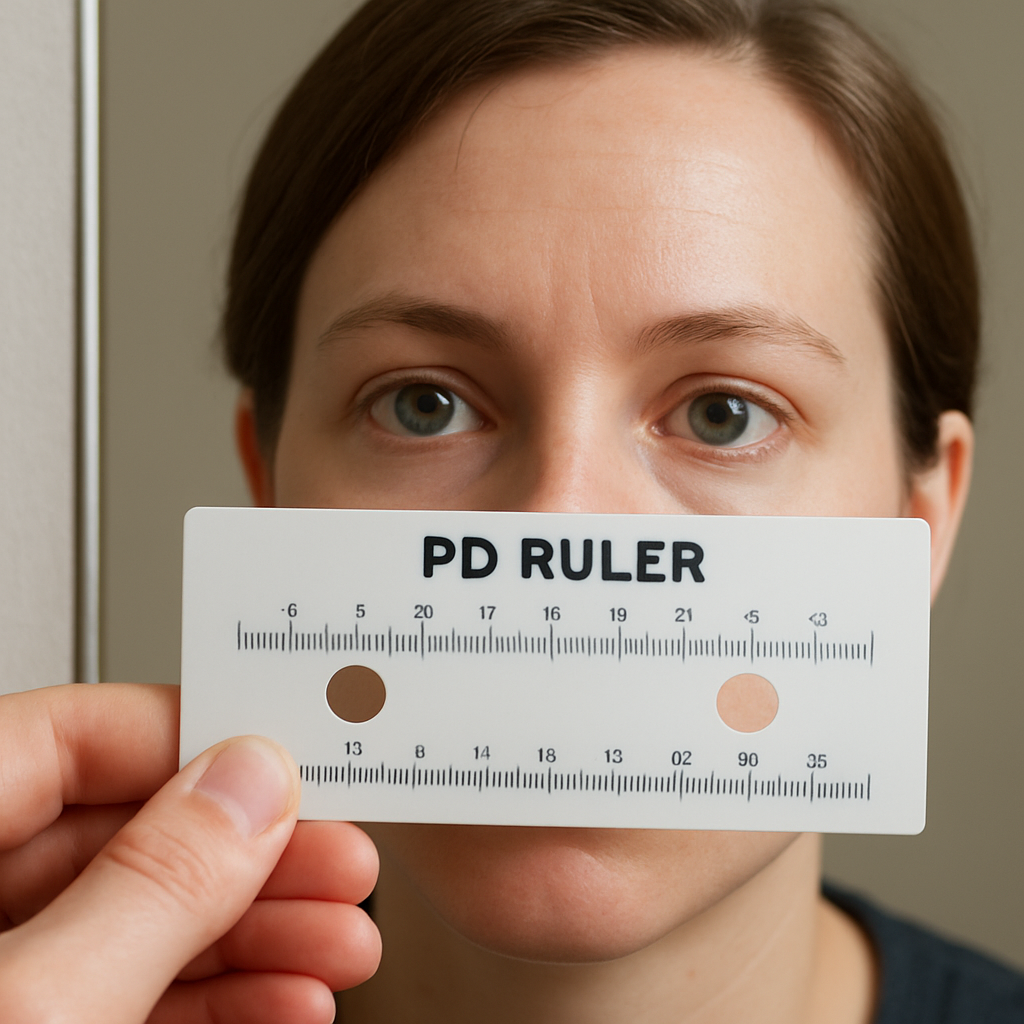
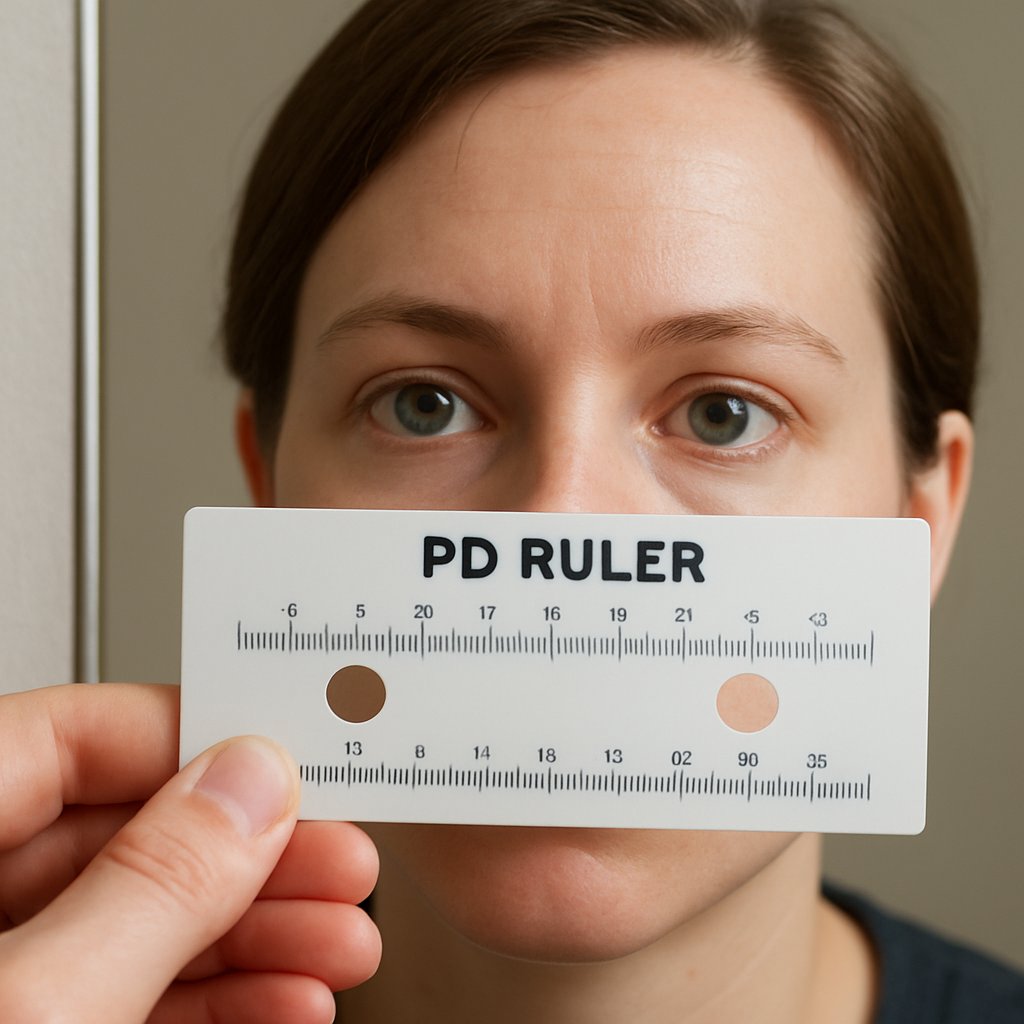
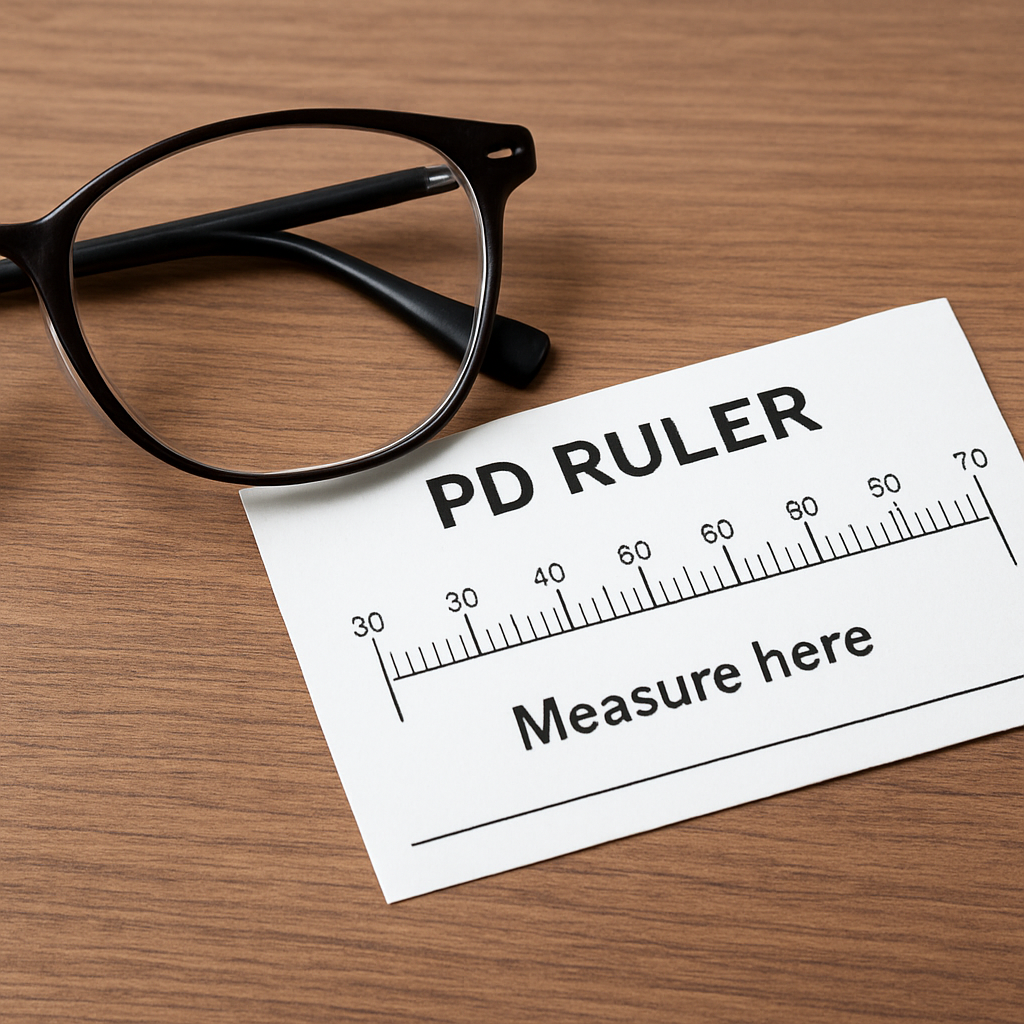
So, how do you find your PD? The classic way is to have a professional measure it with a caliper at an optometrist’s office. But you can also measure it at home with a printable ruler or a smartphone app.
If you’re unsure about measuring your own pupillary distance, you can check out How to Use a Pupillary Distance Printable Ruler for Accurate Eyewear Measurements for a step‑by‑step guide that turns the DIY process into a quick win.
Remember, PD is just one piece of the puzzle. Once you have a precise number, the rest of your prescription—sphere, cylinder, axis—works in harmony to deliver crystal‑clear vision.
If you’re still feeling uncertain or notice persistent visual discomfort, consider consulting a specialist like Dr Rahul Dubey, whose expertise can clarify any doubts and ensure your glasses fit like a glove.
Pupillary distance (PD) is the millimeter gap between your pupils, guiding lenses to sit centered so you see sharply without strain or double vision. Getting PD makes frame fitting effortless; measure it at home with printable ruler or smartphone app, then give the number to retailer for a perfect fit.
When you flip through a fresh glasses prescription, the first thing that can pop out is that tiny “PD” label. It’s short for pupillary distance, the millimeter gap that tells your lenses where to sit so your world comes into focus.
So what does pd mean on glasses prescription? It’s more than a number – it’s the key to avoiding double vision, headaches, and that odd feeling of looking like you’re wearing a warped pair. If the lenses sit too far left or right, your brain gets confused, and your vision starts to glitch.
Interpreting the label is surprisingly straightforward. Look for a single number, like “62 mm.” That’s a one‑eye PD, handy if you’re only getting the left eye fixed. A double line – “63 mm / 61 mm” – is a two‑eye PD, the common case for full pairs. The first number is the distance from your right pupil to the center of your nose bridge; the second is from your left pupil to the same point.
Sometimes you’ll see “PPD” (peripheral pupillary distance) or a “bridge” measurement next to it. Those are tweaks for frame shapes, but the core PD stays the same. If your prescription only lists a single PD, you can still use it by adding the bridge width to get the two‑eye value.
Think of it this way: your eyes are the focal points, and the lenses are the lenses that need to align exactly with them. Miss that alignment, and you’ll feel like your vision is split like a bad Instagram filter.
Now, if you’re hunting for the right PD, don’t let that mystery drive you crazy. One easy way is to measure it at home with a printable ruler or a phone app. At BuyEyeglass, we’ve seen that most folks get it right with a quick 30‑second check behind a mirror. Just line up a ruler, focus on a distant point, and read the millimeter that lines up with your pupils.
When you hand that number over, double‑check that your retailer confirms it. A simple “Did you measure both eyes?” can save you a future trip to the shop and a few headaches.
In addition to the PD, many online shops offer a “virtual try‑on” feature. If you’re looking for a holistic wellness approach that also covers eye health, check out XLR8Well – they blend lifestyle coaching with eye‑care tips to keep you feeling sharp.
And if you’re curious about how your finances can support a better vision plan, WealthForesight Blog has a great guide on budgeting for eye care without breaking the bank.
That quick video walks you through the exact steps to measure your PD, from mirror setup to reading the numbers. Give it a watch the next time you’re at home – it might just save you a few extra minutes.
Once you know your PD, the rest of the prescription becomes a smooth ride. Sphere, cylinder, and axis all play their part, but the PD anchors the lenses so they sit just right. If anything feels off, revisit the measurement or ask for a professional check— it’s the quickest fix for a blurry vision glitch.
So you’ve seen the little “PD” number on your prescription and wondered what it actually does for your lenses. The short answer: it’s the distance that keeps your eye‑catches perfectly centered. If you’re ready to pull that number out of a mirror or your phone, let’s walk through it together.
First things first—grab a plain white sheet, a ruler marked in millimeters, and a pair of sunglasses or a frame that sits snugly on your nose. If you’re feeling tech‑savvy, a smartphone with a straight‑edge app can do the trick, but we’ll stick to the basics so everyone can get started.
Stand about an arm’s length in front of a full‑length mirror. Look straight ahead and focus on a distant object to keep your pupils steady. Place the ruler on the edge of your nose, aligning the zero mark with the center of one pupil. Slide the ruler until the millimeter mark lines up with the center of the other pupil. The number you see is your combined PD. For most people that’s a single value like 62 mm.
Some people wear frames that sit close to their face or have thick lenses, and a single PD can feel a bit off. To measure each eye separately, repeat the mirror method twice: first with the ruler aligned to the left eye, then to the right. Write down both numbers as left/right. A typical dual‑PD might read 30 mm / 32 mm.
Once you’ve got a number, ask a buddy to confirm. Have them hold the ruler against the bridge of your nose while you look at a fixed point. If your friend says the millimeters match what you counted, you’re probably spot on. If not, try again or lean a little forward and adjust the angle.
Write the PD on a sticky note or in a phone note so you never lose it. When you order glasses online, paste the number into the “PD” field. If you’re buying in a store, just show the staff the number and let them adjust the lenses for you. The easier you make it for yourself, the less room there is for error.
Measuring your PD at home is a quick, painless trick that saves you headaches and ensures your lenses sit just right. Think of it as tuning a guitar— a millimeter out can throw off the whole chord. By following these simple steps, you’ll turn that tiny number into a guarantee of comfort and clarity. Happy measuring! You can keep a spare copy for future orders.
We’ve talked about what PD means on a glasses prescription, but how do you actually pull that number out? It’s a quick decision: stick to a trusty manual ruler or hop on the digital side with an app or online tool. The choice feels like picking a coffee size—both get you where you need to go, but one may fit your style better.
First up, the old‑school ruler. Grab a millimeter ruler, a mirror, and maybe a friend to double‑check. The method is simple: line the zero mark with one pupil, slide until the other pupil lines up, and you’ve got your combined PD. For dual‑PD, repeat the process for each eye.
Pros: No tech, works anywhere, cheap, no battery needed. Cons: Human error can creep in—slipping the ruler, misreading the mm, or a wobbly head. If you’re a meticulous person, this is your jam. If you’re a bit distracted, the numbers might be off by a millimeter.
Apps and online calculators let you point your phone’s camera at your eyes and get a digital read. Some require a printable ruler, others use your phone’s built‑in scale. The process usually involves aligning the frame on the screen and letting the software calculate the distance.
Pros: Quick, often more accurate if you follow the on‑screen prompts, no manual measuring. Cons: Needs a smartphone, a stable surface, and sometimes a bit of tech knowledge. If you’re comfortable with your phone, it can feel like a smooth ride.
Think about your daily routine. If you’re a “walk‑in‑the‑park” person, a handheld ruler works well. If you love convenience and want to skip the trip to the optometrist for a quick PD tweak, a digital app saves time.
But what if you’re unsure which method is right for you? Try both once and compare results. A difference of one millimeter can make the difference between a clear view and a mild headache.
If you’re in a hurry, the digital route can get you a number in a minute. If you’re on a budget or like the tactile feel of a ruler, the manual route stays reliable. Some folks even mix both: take a quick digital read and then confirm with a ruler for peace of mind.
Pick a method that feels natural. If you go manual, practice with a friend’s help to reduce error. If you choose digital, make sure the app you select has good reviews and follows the same measurement principles we use at BuyEyeglass. In either case, double‑check your number before you hit “order” or “adjust.” A tiny misstep here can cost you a whole day of blurry vision.
Remember, the PD you provide to an online retailer or a local optician will dictate where the lenses sit. A single millimeter slip can lead to a slightly off‑center lens, causing eyestrain. So take your time, double‑check, and trust the method that feels most comfortable to you.
| Feature | Manual Ruler | Digital Tool |
|---|---|---|
| Setup | Ruler + mirror | Smartphone + app |
| Accuracy | ±1 mm (user dependent) | ±0.5 mm (software dependent) |
| Convenience | Portable, no tech needed | Fast, one‑tap result |
| Best For | Hands‑on, low‑tech environments | On‑the‑go, tech‑savvy users |
We’ve walked the PD road many times, but even the best of us slip up. Below are the most common missteps and how to steer clear.
It feels harmless, but using the frame’s front edge instead of the exact pupil center throws everything out of balance. Imagine a pair of glasses that sit a millimeter too far left—double‑vision, headaches, and a feeling that the lenses just aren’t “you.” The fix? Always line the zero mark with the pupil center, not the bridge or the temple tip. A quick check in a mirror is all it takes.
Dual‑PD is the secret weapon for anyone with thick lenses or frames that sit close to the nose. If you only jot down a single number, the lenses might tilt or the lenses can sit on the wrong side of your eyes. Take a moment to measure each eye separately—30 mm for the left, 32 mm for the right, for example—and use that split number when you order.
Eye doctors recommend a new exam every couple of years, especially after surgery or if you notice changes in vision. A PD that’s a year old might have drifted a millimeter or two. That small shift can mean the difference between a comfortable read and a blurry page. If it’s been a while, give your optometrist a call and ask if a fresh measurement is needed.
Thin, lightweight frames behave differently than heavy, rigid ones. The lens material—plastic versus glass—also changes the optical center. When you’re choosing a frame, double‑check that the retailer can adjust the lens position to match your PD, or opt for a brand that offers a custom fit service.
Apps can be super convenient, but they’re still software. If you get 61 mm on your phone and 62 mm from a ruler, you’re staring at a mismatch. Pick one method, run it twice, and let a friend double‑check. Consistency beats speed when your eyes are on the line.
When you stand in front of the mirror, a tilted head can shift the pupil center by a millimeter. Make sure you’re looking straight ahead, or use a friend to watch you keep your gaze level.
Newer lenses with high-index coatings can shift the optical center slightly. If you’re buying a high‑index pair, double‑check the manufacturer’s guidance on PD adjustments.
The good news? Most of these fixes are a matter of a quick check or a second glance. Keep a small PD note in your wallet or phone, and you’ll be ready for every new frame or prescription change without the risk of misaligned lenses.
Remember, a millimeter is all it takes to turn a clear view into a squinty squint—so treat your PD like a compass that points straight to your eyes.
Picture this: you’ve just ordered a fresh pair of frames, the prescription looks crisp, but when you pop them on, you feel a nagging double‑vision that feels like a ghost.
So, what tells you that it’s not just a DIY slip and you really need a professional check‑up?
1. Eye surgery or LASIK
After surgery, your eye shape can change just enough that the old PD number no longer matches reality. If you’ve had a procedure in the last year, a quick appointment can lock in a fresh, accurate measurement.
2. Persistent eye strain or headaches
When your eyes burn, or you wake up with a dull ache, it’s more than just the glasses. Even a one‑millimeter shift can make the lenses sit off‑center, forcing the eyes to work overtime.
3. Sudden vision changes
If your prescription jumps from, say, +0.50 to -1.00 in one eye, that change can ripple out to the PD. A new exam will confirm whether the PD needs adjustment or if the lenses just need to be swapped.
4. High‑index or thick lenses
Modern high‑index frames bend light differently than traditional plastic. If you’re switching to a heavier lens, an optometrist can verify that the optical center matches the new material.
5. Frames that sit too close to the face
Slim, rimless glasses or frames with narrow temples can tug the lenses inward. A custom PD read will ensure the lenses stay where they belong, keeping your vision clear.
6. Multiple prescriptions from different doctors
When you’ve got one eye prescribed by a specialist and the other by a generalist, the two PD numbers may not line up. A single exam can streamline the numbers into one consistent value.
7. Allergy flare‑ups or dry eye symptoms
When your eyes are irritated, the way you look at the world changes. If you notice that your glasses feel off during a flare, a professional check can rule out a PD mismatch.
What’s the real benefit of a pro‑guided measurement?
First, it eliminates guesswork. You’re not relying on a shaky ruler or an app that may have a calibration hiccup. Second, it opens the door to a customized lens placement, especially useful for high‑index or prescription‑strength lenses.
How to make the visit painless? Bring your current prescription and a photo of your glasses if you can. Ask the optometrist to double‑check the PD for both eyes, and request a dual‑PD if you’re using thick lenses or frames that sit close.
And here’s a quick checklist you can take home:
• Are you having frequent headaches?
• Have you had eye surgery lately?
• Do your lenses feel too tight or too loose?
• Is your prescription different from the last exam?
If any of these ring true, book an appointment. A short, in‑office measurement takes less than five minutes but can save you months of blurry vision or a costly re‑order.
Bottom line: Your PD is the invisible guide that keeps your lenses centered. When that guide starts to wobble, the whole system feels off. Trust your eyes; they’ll tell you when it’s time to get a fresh read from a qualified optometrist.
Still curious about the nitty‑gritty of PD? Here are a few spots where you can dig deeper without getting lost in jargon.
So, what’s your next step? Pick one of these resources, give it a whirl, and feel more confident about the next pair you order.
PD, or pupillary distance, is the millimeter span between the centers of your pupils. Think of it as the invisible bridge that keeps the power of your lenses centered over your eyes. If the PD is off, the lenses sit too far left or right, and you end up with double vision or headaches. It’s a tiny number, but it makes the difference between clear, comfortable vision and daily frustration.
On a prescription you’ll either see a single number, like 62 mm, or a pair split by a slash, such as 28 mm / 32 mm. The single value is the combined PD for both eyes, handy for most frames. The split numbers are a dual‑PD, giving each eye its own precise spot—crucial if you wear thick lenses or a frame that hugs your face tightly. Knowing which one you have helps you order the right fit.
If the PD you give to a retailer is even a millimeter off, the lenses will sit misaligned. That means the optical center is not exactly over the pupil, so your vision tilts, you see a ghost image, or you get eye strain that lasts all day. A correct PD keeps the lenses centered, lets your prescription power work as intended, and saves you from headaches and extra returns.
You can absolutely use a home‑measured PD for an online order, but double‑check it. Measure once, ask a friend to confirm, and write down the number. Many online shops let you input a single figure or a dual split. If you’re unsure, choose a retailer that offers a quick adjustment or a return policy that covers mis‑PD. That way your lenses can be fine‑tuned without the hassle of a new visit.
A professional PD check is worth it if you’ve had eye surgery, a recent prescription change, or you’re switching to high‑index lenses. Even a 1‑mm shift can make your glasses feel off. Optometrists use a calibrated caliper that gives you a pinpoint reading, and they can give you a dual‑PD if needed. A quick five‑minute visit can save you headaches and multiple returns down the line.
If the PD in your prescription doesn’t match the one that fits the frame, the lenses sit off‑center. That can cause double vision, a warped image, or constant eye strain. You’ll also notice that the lenses don’t line up with your nose bridge, making the glasses feel tight or loose. The fix is simple: get the correct PD, whether by DIY, an app, or a professional check, and input it at checkout.
So, what does the whole PD thing really mean for your daily grind? It’s the tiny number that tells lenses where to sit so your eyes stay in sync with the world. A mis‑measured PD can turn a sleek frame into a headache machine.
We’ve walked through the why, the how, and the when. The takeaway? It’s get a fresh PD, double‑check it, and share the number with whoever’s putting your lenses in.
When you order, keep a note in your phone or a sticky on your fridge. That way, the next time you swap frames or update your prescription, the number is right there—no guessing, no wasted returns.
And if you’re still stuck or your eyes feel off, a quick five‑minute visit to an optometrist can clear the confusion. They’ll measure with a caliper and give you a dual‑PD if you need it.
Bottom line: the PD is the invisible anchor for your vision. Treat it like the tiny dial on a watch that keeps time running smoothly. Grab that number, keep it handy, and you’ll enjoy glasses that feel like they were made just for you. Because with a correct PD, your vision stays steady, no matter the frame.