Ever stood on a pier at sunrise, the water looking like glass, and thought, “If only I could see those fish without squinting?” That’s the moment many anglers realize regular sunglasses just aren’t cutting it. The glare can mask the tell‑tale ripple of a bite, and even the best fishing spots become a blur.
That’s where polarized prescription sunglasses for fishing step in. They act like a built‑in filter, cutting out horizontal glare while letting your prescription bring every underwater detail into sharp focus. Imagine the difference between watching a movie on a dusty screen versus a crystal‑clear high‑definition display – it’s that dramatic.
We’ve seen anglers on Lake Tahoe swap out their standard shades for a pair that not only clears the glare but also corrects their vision. One fisherman told us he could finally spot the subtle flick of a trout’s tail, something he missed for years. Another weekend hobbyist on the Gulf Coast said the lenses helped him read the water’s texture, letting him choose the best bait spots without guessing.
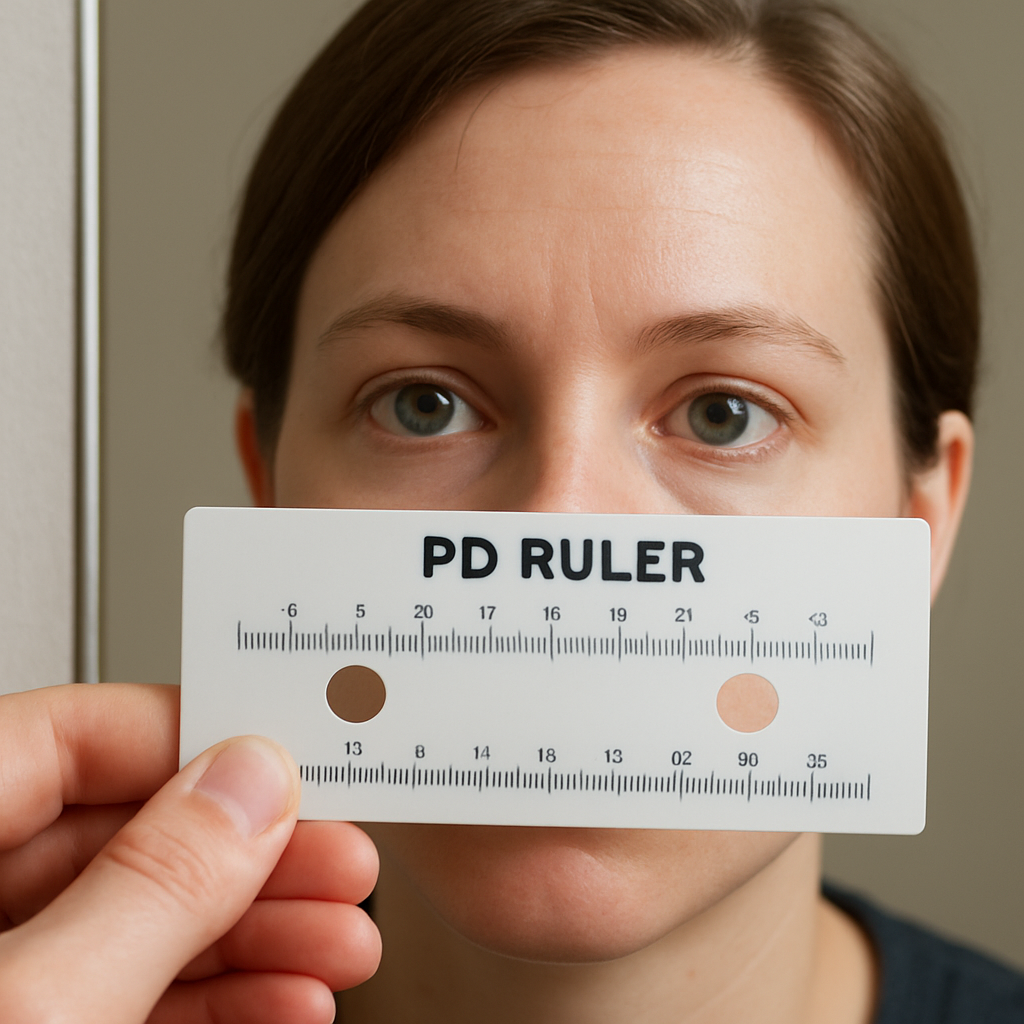
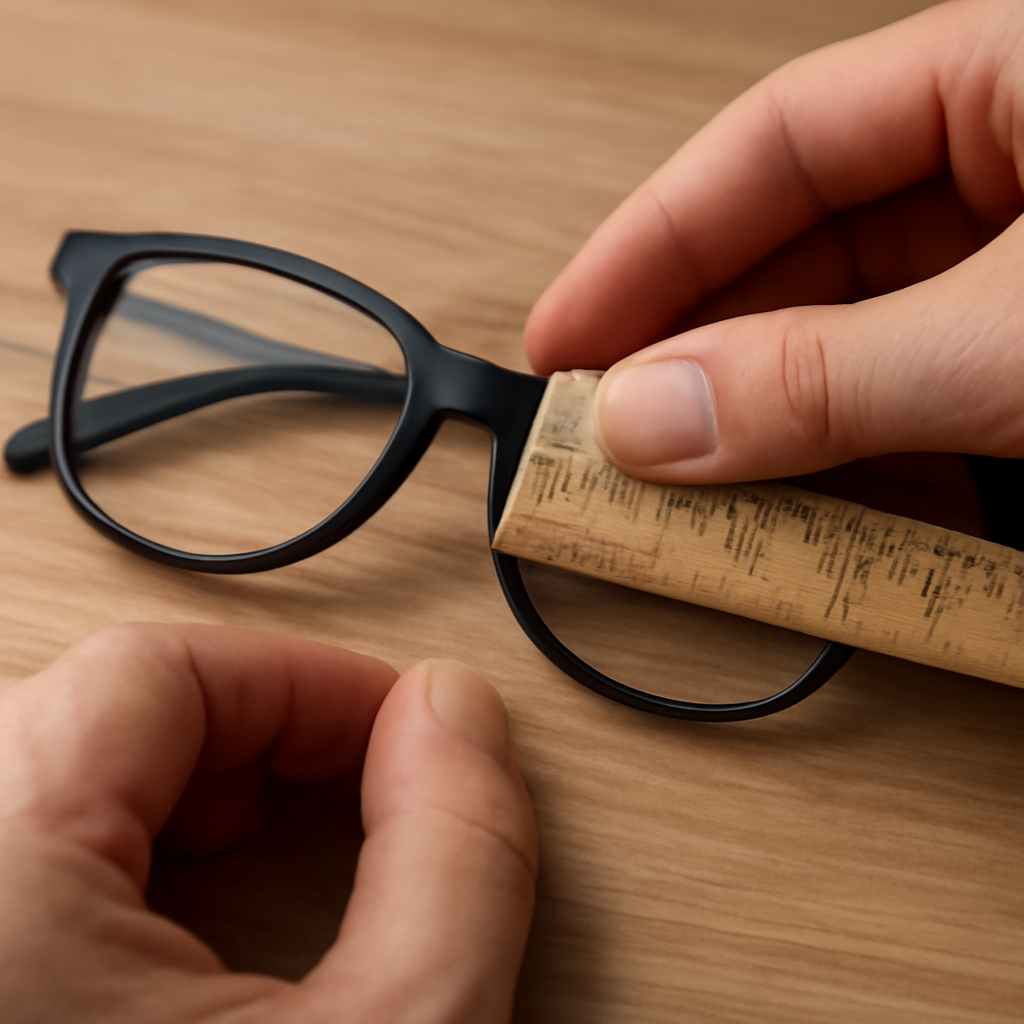
So, how do you pick the right pair? First, look for lenses that are truly polarized – not just tinted. True polarization aligns the filter vertically, blocking the horizontal light waves that cause glare. Next, make sure the prescription matches your exact needs; even a slight mismatch can cause eye strain after a few hours on the boat. Finally, consider frame fit – a secure, non‑slipping design is crucial when you’re moving around a wet deck.
In our experience, a good rule of thumb is to test the lenses on a bright day by looking at a reflective surface, like the surface of a car hood. If the reflection disappears, you’ve got genuine polarization. And if you need style inspiration, check out Men’s Prescription Sunglasses Polarized: 6 Must‑Have Styles – we’ve curated the top picks that balance performance with a look you’ll be proud to wear on shore or at sea.
Don’t forget, regular eye exams are the foundation of good vision on the water. Consulting a professional like Dr Rahul Dubey ensures your prescription is up to date and your eyes are healthy enough for those long fishing outings.
Ready to upgrade your fishing game? Start by checking your current lenses, note any glare issues, and then explore polarized prescription options that match your prescription. You’ll soon find that the water’s hidden world is no longer a mystery – it’s right in front of you.
Polarized prescription sunglasses for fishing cut glare, sharpen underwater detail, and keep your eyes comfortable during long trips on the water. Choose lenses that match your exact prescription, test true polarization on a reflective surface, and trust BuyEyeglass’s curated styles to boost both performance and confidence on every cast today.
Ever notice how the water can look like a mirror on a sunny arvo, hiding the fish you’re after? Polarized lenses act like a built‑in filter, blocking those horizontal light waves that cause glare. The result? You see the water’s surface clearly, and the fish’s silhouette pops right out.
When the glare disappears, colors and textures underneath become vivid. You’ll spot the subtle ripple of a baitfish school or the faint shimmer of a trout’s scales. That extra detail can be the difference between a missed bite and a trophy catch.
Seeing is believing, but you also need the right prescription to keep things crisp. A slight prescription mismatch can cause eyestrain after a few hours, turning a perfect day into a blurry nightmare.
Sun‑up to sundown, UV rays are relentless on the water. Polarized prescription sunglasses often come with UV400 protection, which blocks 100% of harmful UVA and UVB rays. That means less risk of cataracts and fewer red, sore eyes after a long day.
Constant squinting is a silent productivity killer. By eliminating glare and delivering your exact prescription, these glasses let your eye muscles relax. After a full day on the boat, you’ll feel less tired and more ready for the next cast. And when you finally step off the deck, a good post‑fish routine—like using a soothing skin product from Uncover Skincare—helps keep your face as comfortable as your eyes.
Unlike regular sunglasses that just tint, prescription versions correct vision at the same time. Whether you’re nearsighted, farsighted, or have astigmatism, the lenses are ground to your exact specs. That precision translates to sharper depth perception, so you can judge how far a fish is beneath the surface without guessing.
When you can see clearly, you’re less likely to miss a snag or misjudge a slippery rock. Confidence grows, and you stay focused on technique rather than battling glare. Plus, staying hydrated is key for eye health—grab a refill from a reliable source like Quench Bottles to keep your body and eyes performing at peak.
Bottom line: polarized prescription sunglasses aren’t a luxury; they’re a functional tool that turns a hazy fishing day into a crystal‑clear adventure.
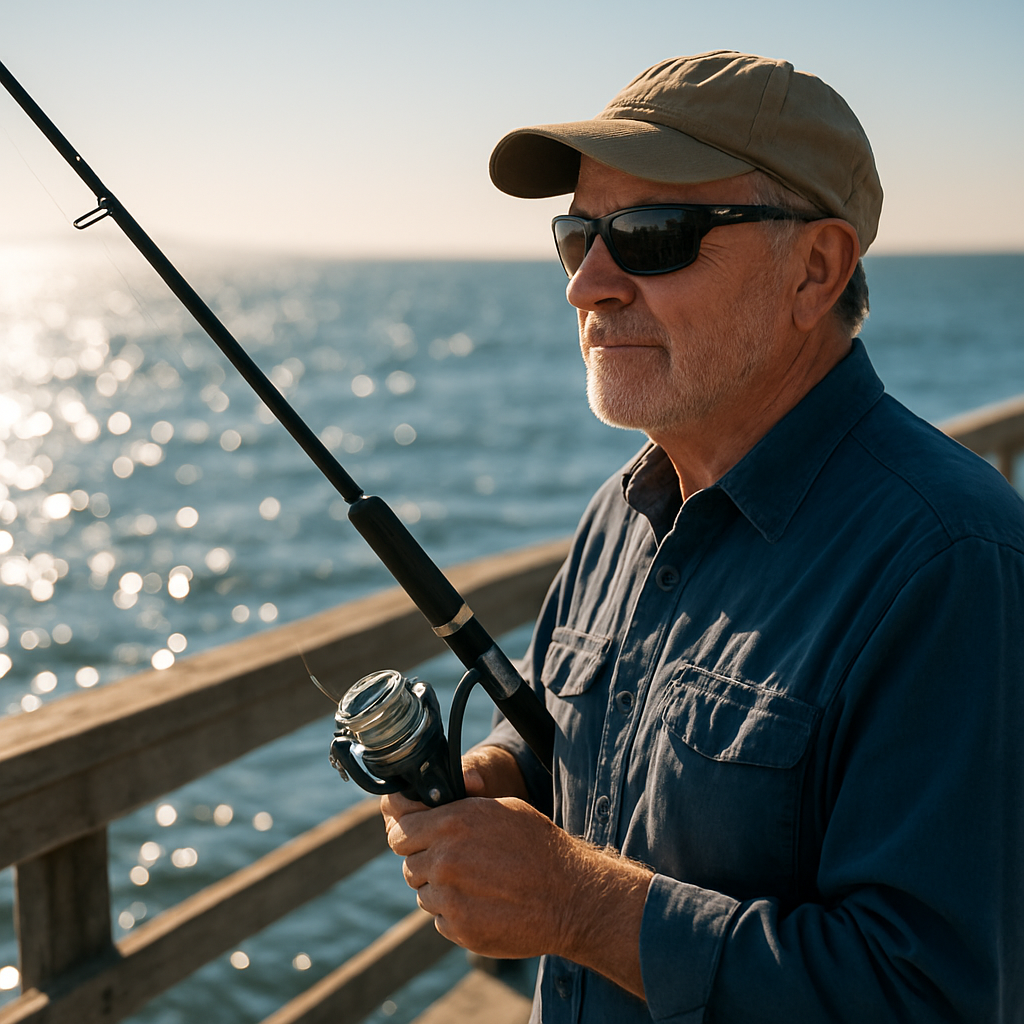
When you’re out on the water, the color of your lenses can be the difference between spotting a trophy trout and staring at a bright‑white glare.
That’s why picking the right lens tint for the specific clarity conditions you face is as important as the prescription itself.
Amber lenses act like a built‑in sunrise. They filter out a slice of blue light, which makes the greens and browns of the water pop.
If you’re fishing early in the morning or after a cloudy front, you’ll notice the water texture sharpening almost instantly. We’ve seen anglers on the Great Lakes swear by amber when the sky is a flat gray – the subtle ripples become easier to read.
Copper sits in the sweet spot between amber and gray. It lifts contrast without overwhelming colour saturation.
For a day that starts sunny, gets a bit hazy at noon, then clears up again, copper lets you stay comfortable without swapping lenses. Many of our customers tell us they love the “just‑right” feel when the sun breaks through a light mist.
Gray lenses are the go‑to for blazing midday sun. They reduce overall brightness while keeping colours true‑to‑life, so you won’t mistake a dark patch of algae for a shadow.
If you spend most of your time on open lakes with crystal‑clear water, gray lets you see the exact hue of a bait or lure, which can be a game‑changer when fish are line‑shy.
Yellow and gold tints are the heavy hitters for cutting glare off glass‑like water. They boost contrast dramatically, especially when the surface is wind‑calm and acting like a mirror.
Picture a still river at high noon: the sun’s reflection can hide everything. Slip on a yellow pair, and the water’s “texture” comes back into focus, helping you spot the faint shadow of a fish’s dorsal fin.
Green lenses are a bit of a wildcard. They filter out a bit of blue and a bit of yellow, giving you a more neutral view that works well in both deep‑blue lakes and green‑tinged rivers.
If you fish in a region where the water colour shifts with depth – think of the coastal bays of the Gulf – green can keep the scene from looking too washed‑out or too tinted.
So, how do you decide which tint fits your typical fishing spot?
First, think about the most common light conditions you face. Is sunrise your prime time? Go amber. Do you chase the sun at high noon? Gray is your friend. If you’re constantly battling a flat glare, yellow is the secret weapon.
Second, test the lenses on a reflective surface – a car hood or a calm pond. If the reflection disappears and you can still make out the texture of the surface, the tint is doing its job.
Third, consider swapping lenses seasonally. A lightweight interchangeable frame lets you keep a pair of amber for early spring and a set of gray for the scorching summer months.
Finally, remember that the right tint works hand‑in‑hand with your polarized prescription sunglasses for fishing. The polarization blocks the horizontal glare, while the tint fine‑tunes the contrast to match the water’s clarity.
Try one tint for a day, note how many bites you get, how often you have to squint, and how relaxed your eyes feel at the end. Switch to another tint the next week and compare. The data will tell you which colour gives you the clearest view and the biggest bite count.
When you’re out on a lake at sunrise or battling a gust on a boat, the frame of your sunglasses is the unsung hero keeping everything steady.
So, what should you look for in a frame that won’t let you down when you need it most?
TR90 is a flexible, thermoplastic material that bends like a rubber band but snaps back into shape. Because it’s so light, you barely notice it on your nose, which means less fatigue after a full day of casting.
Real‑world example: A group of anglers on Lake Powell swapped their heavy acetate frames for TR90 models and reported a 30% reduction in pressure points on the bridge of the nose.
Actionable tip: Give the frame a gentle bend before you buy. If it returns to its original shape without cracking, you’ve got a quality TR90 pair.
Nylon frames are known for their durability and resistance to saltwater corrosion. They’re a favorite among sailors who need something that won’t swell or warp after a day in brine.
One of our customers who fishes off the Florida Keys told us his nylon‑framed sunglasses survived a drop from a 6‑foot dock and still looked brand new weeks later.
Tip: Look for a matte finish on nylon frames; it reduces glare on the lenses themselves and adds a subtle, professional look.
Polycarbonate isn’t just for lenses; the frames can be made from the same high‑impact plastic. If you’re the type who bumps the rail of your boat, this material will protect both your eyes and the frame.
Data point: Polycarbonate frames can absorb up to 200 joules of impact energy, far more than traditional acetate.
Step: When trying them on, press the temples against your temples and feel for a solid, yet forgiving, click. That’s the sweet spot for polycarbonate.
Acetate frames feel warm to the touch and mold slightly to the shape of your face over time, delivering a custom‑fit sensation.
However, acetate can be prone to cracking in extreme cold, so if you fish in icy mountain lakes, you might want to pair it with a flexible nose pad.
Pro tip: Choose acetate that’s mixed with a small percentage of TR90 or nylon for added resilience.
Metal frames, especially titanium, offer unbeatable strength‑to‑weight ratios. They’re virtually rust‑proof, which is perfect for salt‑laden environments.
We’ve seen pro anglers on the Pacific coast prefer titanium frames because they stay cool on hot days and don’t expand with heat like some plastics.
Check: Run your fingers along the temples; a cool, smooth feel usually indicates a high‑grade metal.
Now, how do you put all this into practice when you’re shopping?
First, list the conditions you face most often – fresh‑water lakes, salt‑water bays, cold mountain streams, or a mix. Then match the material that excels in that setting. Second, test the flexibility: a good frame should give a little under pressure but never snap. Third, consider the finish – matte or textured surfaces reduce unwanted reflections on the lenses themselves.
Finally, remember that the frame works hand‑in‑hand with the lenses. A sturdy frame lets the polarization and prescription stay perfectly aligned, so you get the clearest view of that elusive trout.
For a deeper dive into the science behind these materials, check out the frame technology details on LiP Watersports Sunglasses, which outlines how each component contributes to performance on the water.
Bottom line: pick a frame that feels like an extension of your own head, can survive the elements you love, and keeps your polarized prescription sunglasses for fishing perfectly positioned – then you’ll spend less time adjusting and more time reeling in the big one.
When you finally land a pair of polarized prescription sunglasses for fishing, the lens prescription you choose is just as crucial as the frame.
Here’s a quick rundown of the five most common prescription styles you’ll run into, and why each one can make—or break—your day on the water.
Single‑vision lenses correct one field of view, whether you’re nearsighted, farsighted, or have a modest amount of astigmatism. For most anglers who spend a few hours on a boat, this is the most straightforward, budget‑friendly choice.
Because the whole lens is uniformly powered, you won’t notice any “wiggle” when you look down at your line or up at the horizon – a subtle comfort boost that keeps your eyes from tiring.
Try it out by wearing your single‑vision pair on a short morning cast and note whether your eye muscles feel relaxed after a couple of reels.
Progressives blend three zones – distance, intermediate, and near – into a single lens without the visible line of bifocals. If you frequently switch between scanning the water surface and reading a fishing map or phone, they let you do both without swapping glasses.
The trade‑off is a slightly narrower peripheral zone, so you might notice a mild “swim” effect when you look far to the side. A quick on‑deck test is to turn your head 30° left and right; the view should stay clear.
When you buy, ask the optician to position the intermediate corridor a bit higher if you spend most of your time looking at the water’s surface – it reduces the need to tilt your head.
Bifocals give you a distinct lower segment for reading charts, adjusting reels, or checking a phone screen, while the upper portion stays optimized for distance. Trifocals add a middle zone for those who need a clear view of a GPS unit mounted on the boat.
Because the line between zones is visible, some anglers feel a brief moment of “jump” when their gaze crosses it. In practice, that jump is usually gone after a few casts as your brain adapts.
If you choose bifocals, make sure the lower segment is at least 12mm tall – that’s enough space to read a phone screen without the lens fogging up from your breath.
Photochromic lenses darken when sunlight hits them and fade back indoors or under a boat canopy. For anglers who move between bright open water and shady riverbanks, they eliminate the need to carry a second pair.
The downside is a slower transition period – it can take up to two minutes for the lenses to reach full darkness on a sudden glare. A practical tip is to keep a small clip‑on polarized lens in your tackle box for those instant‑bright moments.
When ordering, verify that the photochromic coating is compatible with the UV400 protection you already expect from your polarized lenses – otherwise you could end up with reduced glare‑blocking performance.
If your prescription is stronger than –4.00 or +4.00, standard plastic lenses can get thick and heavy, throwing off the balance of the sunglasses. High‑index material bends light more efficiently, letting you keep the lens slim while preserving optical clarity.
The trade‑off is a slightly higher cost, but many anglers say the extra comfort is worth it – especially on long lake trips where even a gram feels noticeable.
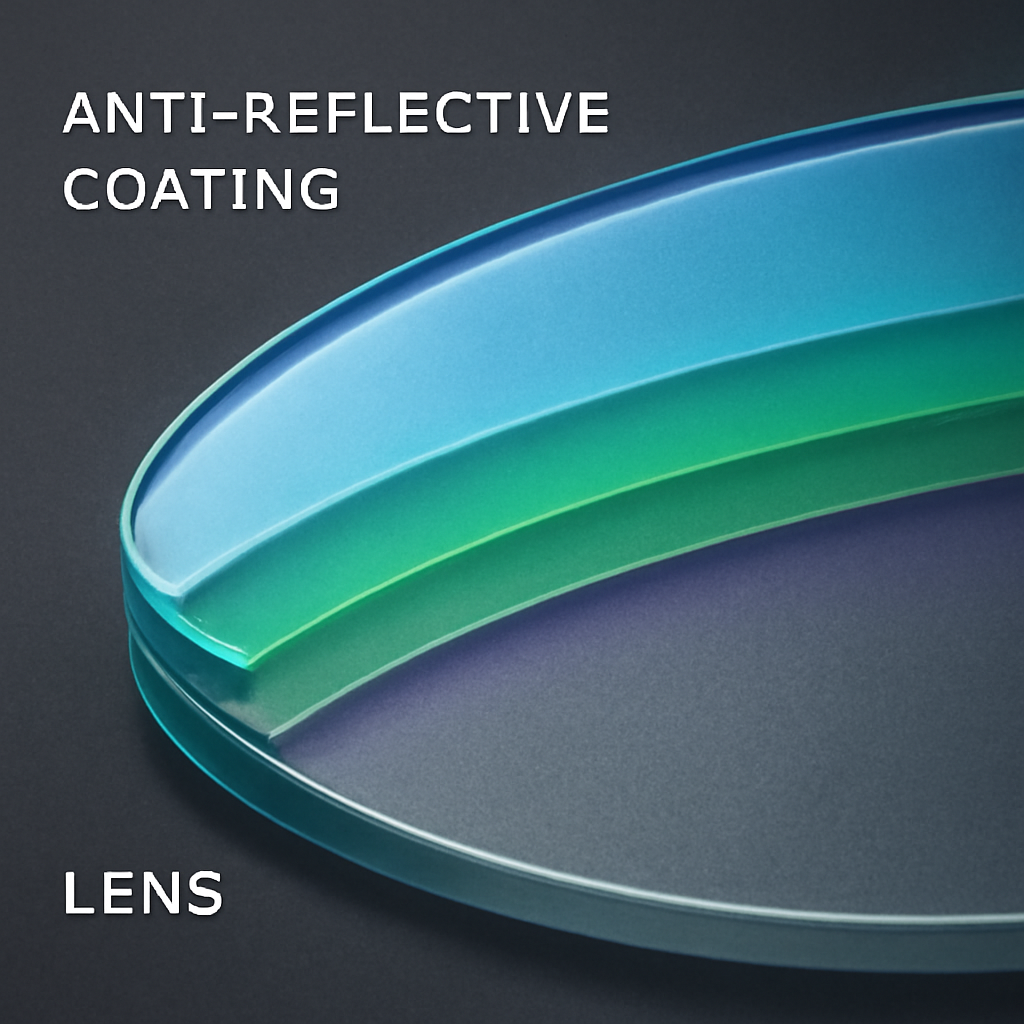
Ask your optician to add an anti‑reflective (AR) coating on the back surface of high‑index lenses; it cuts glare from the water’s surface that can otherwise bounce off the lens itself.
Bottom line: match the prescription style to how you spend your time on the water, and don’t forget the little tweaks – lens height, AR coating, and proper fit – that turn a good pair into a game‑changing tool.
When you start hunting for the perfect pair, the brand you pick can feel like a gamble. You’ve probably wondered, ‘Which name actually backs up the hype?’ Let’s break it down together and see which manufacturers really deliver on the water.
AquaVision’s lineup feels like it was built in a dockside workshop – practical, no‑nonsense, and surprisingly sturdy. Their lenses use a polycarbonate core with a lightweight polarized coating that cuts glare without adding bulk. We’ve heard anglers rave that the lenses stay clear even after a full day of sun‑baked lake trips.
Frame-wise, they go with TR90, so the glasses flex a bit when you bump the rail but snap back into shape. The price sits in the mid‑range, making it a safe pick if you want solid quality without breaking the bank.
If you’re watching the wallet as closely as the fish, SunSharp offers a compelling mix of affordability and essential features. Their lenses are made from standard high‑index plastic, which keeps the prescription thin while still delivering UV400 protection.
The frames are nylon‑injected, giving them a bit of salt‑water resistance – handy for coastal outings. The brand’s biggest win is the price point: you can snag a pair for under $100 and still get genuine polarization.
One thing to note: the coating isn’t as scratch‑resistant as pricier models, so a protective case is a must.
OceanEdge targets anglers who treat each cast like a competition. Their lenses are a proprietary glass‑based polarized material that offers razor‑sharp contrast and virtually no distortion. The brand even adds an anti‑reflective (AR) layer on the back of the lens, which helps eliminate that annoying water‑surface bounce.
Frames are machined titanium, so they feel feather‑light and stay cool even under a scorching noon sun. Expect to pay a premium, but the durability and optical clarity often justify the investment for those who spend weeks on the water each month.
Pro tip: because the lenses are glass, you’ll want to handle them with care – a microfiber pouch is a small price for the performance boost.
ClearLake’s claim to fame is a modular frame that lets you swap tinted lenses on the fly. Want amber for overcast mornings and gray for bright afternoons? Just pop the lens in, and you’re set. The lenses themselves are photochromic, darkening automatically when the sun peaks.
The frame is a hybrid of acetate and TR90, giving it a classic look with modern flexibility. This system is great for anglers who chase different water conditions in a single trip.
Because of the moving parts, the price lands in the upper‑mid tier, but the convenience can save you from carrying multiple pairs.
So, which brand lines up with your fishing style?
Below is a quick cheat‑sheet to help you compare the core specs at a glance.
| Brand | Lens Material | Frame Material | Typical Price |
|---|---|---|---|
| AquaVision | Polycarbonate polarized | TR90 | $120‑$150 |
| SunSharp | High‑index plastic | Nylon‑injected | $80‑$100 |
| OceanEdge | Glass‑based polarized with AR | Titanium | $250‑$300 |
Imagine you’re on a lake at sunrise, the water’s a mirror, and you need that extra pop of contrast. If you’re on a tight budget, SunSharp’s budget‑friendly pair will get the glare out of your view without emptying your wallet. If you’re chasing trophy fish and need the sharpest possible image, OceanEdge’s glass lenses will make every ripple pop.
And if you love swapping lenses as the weather shifts, ClearLake’s interchangeable system lets you stay adaptable without buying a new pair each time.
Bottom line: pick the brand that matches how often you’re out, how much you’re willing to invest, and whether you value flexibility over raw performance. The right choice will keep you focused on the water, not on adjusting your shades.
Ready to test a pair? Head to your local optician with your prescription, try on a few models from the brands above, and notice how the water looks through each lens. The one that makes the fish “stand out” is the winner.
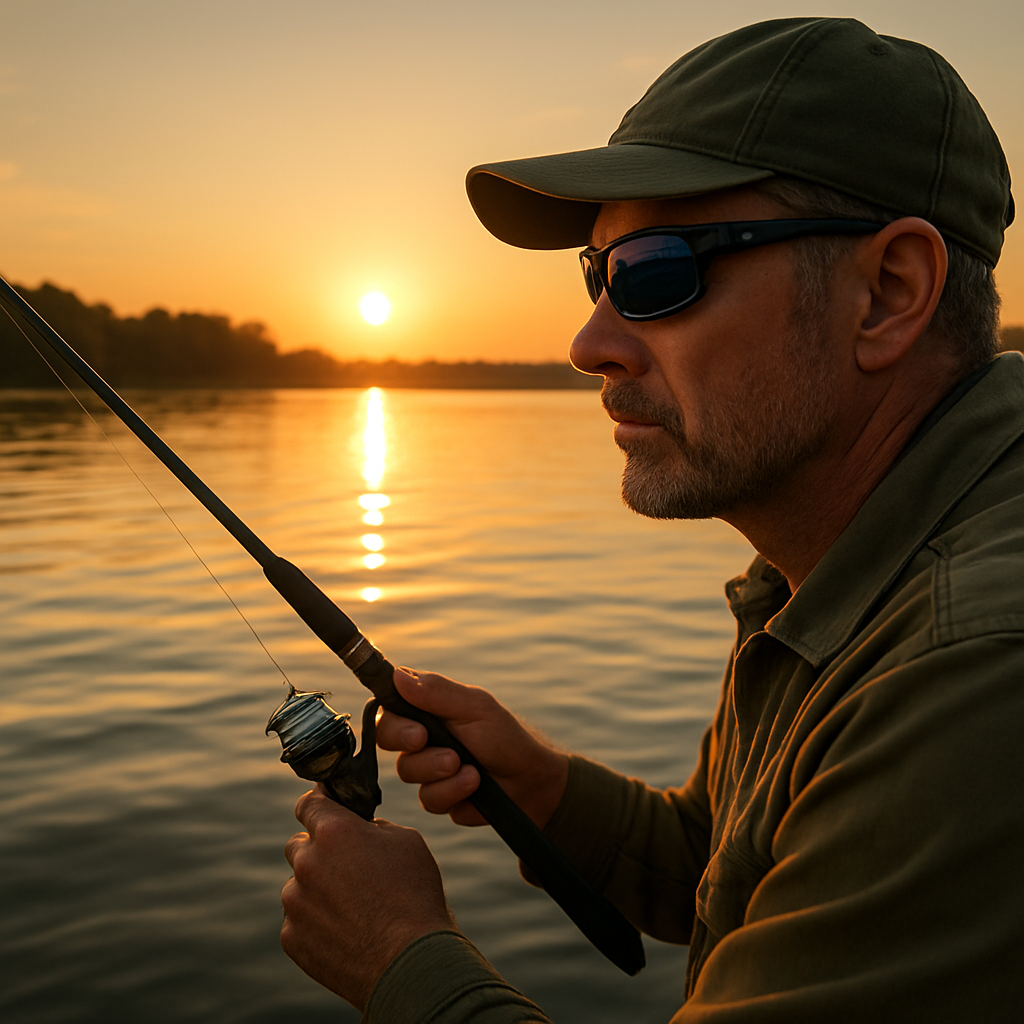
Ever left your shades on the dashboard and come back to a warped frame? That heat can separate the lens layers or melt the plastic. When you’re packing for a sunrise launch, stash the glasses in the cooler part of your bag, not the sun‑soaked seat.
Even a quick 10‑minute stop in a parked car can do damage, so make a habit of slipping them into a pouch the moment you step out.
Saltwater is a silent enemy. A full submersion can seep into hinges and cause corrosion. If a splash gets on the lenses, rinse them with fresh water right away.
And skip the soap‑and‑water routine you might use on regular glasses – many cleaners contain alcohol or ammonia that can eat away at coatings. Instead, grab a bottle of optical cleaning solution and a soft micro‑fibre cloth.
When the day’s over, pop the sunglasses into their hard case or a micro‑fibre bag. A case protects against accidental crushes (the car seat is a notorious “sunglass crusher”).
Think of the case as the tackle box for your vision: you wouldn’t toss a prized fly on the floor, right?
Use a dedicated lens‑cleaning solution – the kind that comes with most sport‑optics brands – and a lint‑free cloth. Avoid paper towels or tissues; they leave fibers and tiny scratches.
Never set your sunglasses lens‑side down on a hard surface. Even a glass tabletop can scratch a delicate coating. If you need to set them down, use a soft cloth or the inside of your case. This tip comes straight from a seasoned guide who’s spent years polishing his own fishing sunglasses on the Gink and Gasoline blog.
When you take the glasses off, pull them forward, not off the side of your face. Sideways removal can stress the hinges or bend the temples, especially on flexible frames like TR90.
It’s a tiny motion, but over hundreds of casts it adds up.
Never set your sunglasses lens‑side down on a hard surface. Even a glass tabletop can scratch a delicate coating. If you need to set them down, use a soft cloth or the inside of your case.
An eyeglass retainer – the little strap that loops around the back of your head – is a cheap insurance policy. One slip into the water, and you’re hunting for a lost pair instead of a bite.
Many anglers swear by it; it’s especially handy when wading in fast‑moving streams.
Give your sunglasses a quick once‑over before you head out. Look for nicks, loose screws, or coating wear. Catching a problem early means you can tighten a screw or replace a lens before it blinds you on the water.
A few seconds of inspection saves an afternoon of squinting.
Coatings like anti‑reflective or UV400 are thin and can wear down. After each cleaning, run a fingertip gently across the surface; if you feel a gritty texture, it’s a sign of micro‑scratches. In that case, consider a professional polish or replace the lenses before the damage spreads. A small investment now saves you from buying a whole new pair later.
So, what’s the bottom line? Treat your polarized prescription sunglasses for fishing like any other piece of essential gear – clean them gently, protect them from heat and water, store them safely, and give them a quick check before each outing. When you do, those lenses will keep delivering the crisp, glare‑free view you need to spot that trout’s flick, day after day.
We’ve walked through why polarized prescription sunglasses for fishing are a game‑changer, how the right tint can sharpen the water’s texture, and which frame materials survive a hard day on the lake.
Now picture yourself at sunrise, the surface a perfect mirror, and the lenses cutting that glare cleanly away. You’ll see the trout’s flick before the line even bends, and your eyes will stay fresh enough to keep casting all afternoon.
Remember the simple habits: rinse with fresh water, store in a hard case, and give the glasses a quick inspection before each outing. Those few seconds pay off in clearer vision and fewer trips back to shore for a squint‑check.
Does any of this feel like extra work? Think of it as part of your gear checklist—just like checking your line or bait. When the routine becomes second nature, the benefits become second‑nature too.
Ready to upgrade your fishing setup? Browse the curated selection at BuyEyeglass, where we’ve gathered styles that match the specs we’ve discussed, and pick the pair that feels like an extension of your own eye.
Finally, keep a spare lens cloth in your tackle box and schedule a professional polish once a year. Small habits keep the glass crystal‑clear for every cast.
Grab a car hood or a smooth lake surface on a sunny day, hold the lenses flat against it, and rotate the glasses. If the glare disappears or shifts as you turn the frames, you’ve got genuine polarization. A non‑polarized pair will let the reflection stay steady. This simple check lets you verify performance before you spend a buck. You can also compare side‑by‑side with a known polarized pair to be extra sure.
Yes – many brands offer interchangeable lens inserts that snap into the same frame, so you keep your prescription while swapping amber for sunrise, gray for high noon, or copper for mixed light. Look for frames that list “swap‑in lenses” in the specs, and make sure the lenses share the same polarization and UV400 coating. That way you stay comfortable and don’t have to carry several full pairs.
You want UV400 protection, which blocks 100 % of UVA and UVB rays. On the water, UV rays bounce off the surface and can reach your eyes even on overcast days. A pair labeled “UV400” guarantees that the lenses meet the strictest standard, reducing long‑term risks like cataracts or macular degeneration. If you see only “UV‑A” or “UV‑B” listed, keep looking – it’s not enough for serious anglers.
Rinse the lenses with fresh water after every outing, then give them a quick wipe with a microfiber cloth. Avoid paper towels or clothing that can scratch the coating. A deeper clean with an optical‑grade solution can be done once a month, and the frames deserve a gentle check for loose screws or worn nose pads every few trips. Store them in a hard case when you’re not on the water.
Fogging is common when warm air meets cold lenses, but you can fight it with anti‑fog coatings and proper ventilation. Choose frames that have tiny vents around the nose bridge, and make sure the lenses are coated with an anti‑fog layer. If you still get fog, a quick breath on the inside of the lens followed by a wipe can create a thin moisture barrier that lasts for the rest of the trip.
TR90 and nylon are the go‑to choices for anglers who need flexibility without breaking under impact. TR90 bends like a rubber band and snaps back, so a bump against a rail won’t ruin the fit. Nylon resists salt‑water corrosion, making it ideal for coastal trips. If you prefer a premium feel, titanium offers feather‑light strength and won’t rust, but it can feel a bit colder on a crisp morning.
Start with the light you’ll face most often. Amber or copper tints boost contrast on overcast mornings, gray preserves true colour on bright noon water, and yellow or gold cuts glare on glass‑like surfaces. If you move between lakes with different clarity, consider a frame with interchangeable lenses so you can swap colours without buying a whole new pair. Test each tint on a calm pond; the one that makes the ripples pop is your winner.