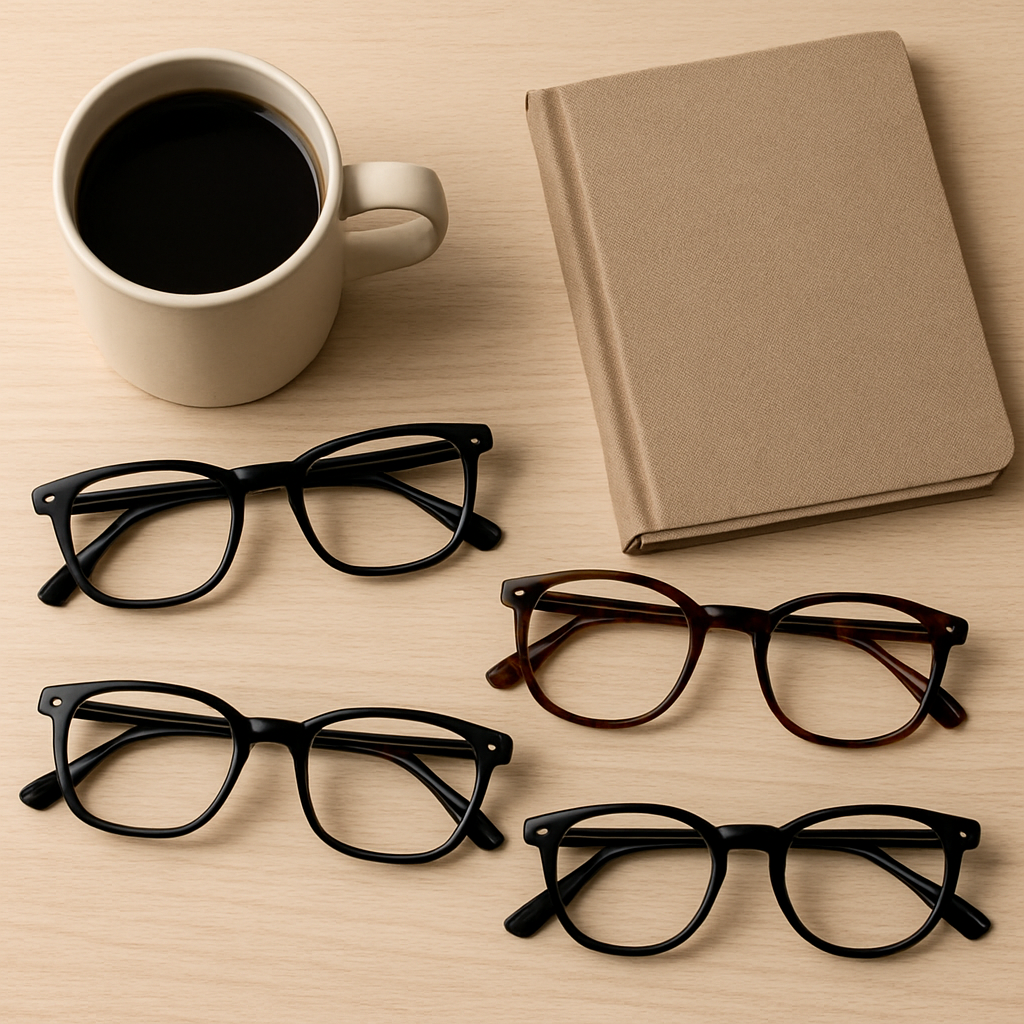
Ever caught yourself scrolling through endless pages of designer frames, only to feel that knot in your stomach when the price tag pops up? You’re not alone – we’ve all been there, dreaming of a runway‑ready look while the budget whispers ‘no.’
That’s why hunting for cheap designer eyeglasses online feels like a treasure hunt with a map that’s half‑missing. You want style, you want quality, and you definitely want to keep the credit‑card anxiety at bay.
In our experience at BuyEyeglass, the sweet spot usually shows up when a reputable brand teams up with a direct‑to‑consumer model. Cutting out the middleman shaves off the markup that makes a $300 pair feel like a splurge.
Picture this: you spot a sleek, cat‑eye silhouette from a luxury label, the photos look crisp, and the price is under $100. A quick glance at the return policy confirms you can try them at home, no pressure.
But there are a few red flags to keep an eye on. If the seller can’t provide clear lens specs, or the frame material description is vague, pause before you click ‘add to cart.’
Here’s a quick checklist you can run through while you browse:
When those boxes are ticked, you’re probably staring at a deal that won’t break the bank. And because the glasses ship straight from a warehouse that handles thousands of orders, the delivery window is usually just a few days.
Now, you might wonder how to avoid the dreaded ‘designer‑look‑alike’ trap. Focus on the details: a logo placement, the hinge style, and the overall silhouette are tell‑tale signs of authenticity.
If you’re still skeptical, try the “price‑per‑frame” test. Take the retail price you’d expect for that brand, divide by two – if the online offer sits comfortably below that threshold, it’s worth a deeper look.
Bottom line: cheap designer eyeglasses online aren’t a myth; they’re just hidden behind smart sourcing and transparent sellers. With a little patience and our quick checklist, you can upgrade your look without emptying your wallet.
Finding cheap designer eyeglasses online is possible when you verify brand authenticity, check material specs, and use our quick checklist to spot hidden costs and compare seller ratings before buying.
Apply the price‑per‑frame test, confirm hassle‑free returns, and you’ll upgrade your look without draining your wallet on trusted sites today.
When you start hunting for cheap designer eyeglasses online, the first thing you notice is that some brands just seem to get the price‑right without skimping on style. Below are the labels we keep seeing pop up on our radar, and why they’re worth a second look.
Kate Spade’s playful vibe translates beautifully to frames that feel lively but stay affordable. Think buttery acetate with a pop of colour that can turn a plain outfit into a statement. If you’re curious about a real‑world example, check out our Kate Spade EMMALEE Eyeglasses – BuyEyeglass – it’s a perfect blend of budget‑friendly price and designer flair.
And because you’ll probably be pairing those frames with a fresh wardrobe, you might want to peek at Hanna Clothing Store for coordinating pieces that keep the whole look cohesive.
Christian Lacroix often surprises shoppers with bold silhouettes that don’t break the bank. Their frames usually feature distinctive hinges and a sculpted shape that screams runway confidence. We’ve seen the CL 3066 model sit comfortably under $100, which is a steal for a label that usually lives in the high‑end tier.
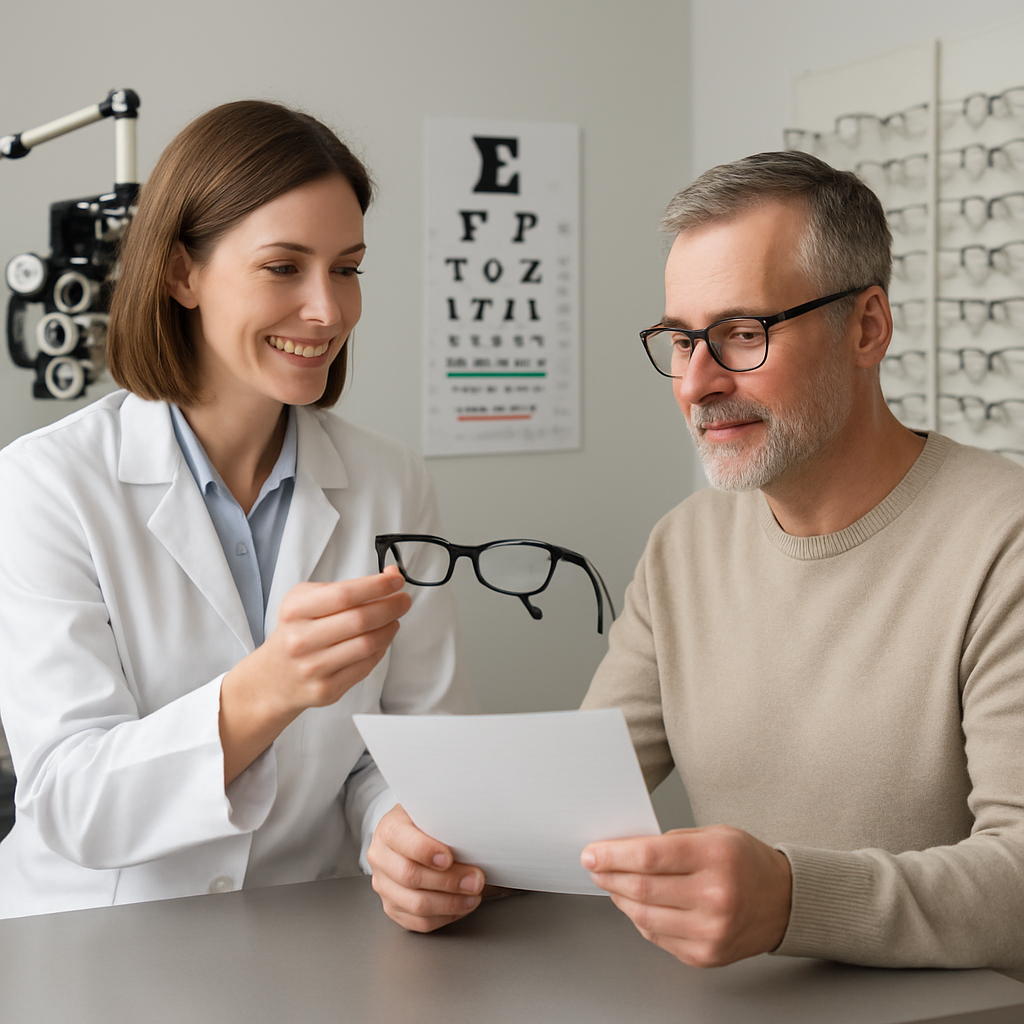
Want to make sure your eyes stay healthy while you sport those daring frames? A quick visit to Dr Rahul Dubey can give you a professional eye exam and prescription check – a smart step before you commit to any new glasses.
Ray‑Ban might feel like a luxury name, but their classic Wayfarer and Clubmaster styles often appear on discount sites at prices that feel almost too good to be true. Look for the RB‑7255 or RB‑6518 models; they retain the iconic metal‑to‑acetate mix that feels sturdy yet lightweight.
Tip: When you spot a Ray‑Ban deal, compare the lens coating details – you still want UV protection even if the frame price is low.
That short video walks you through the five quick checks you should run before clicking “add to cart” on any designer frame.
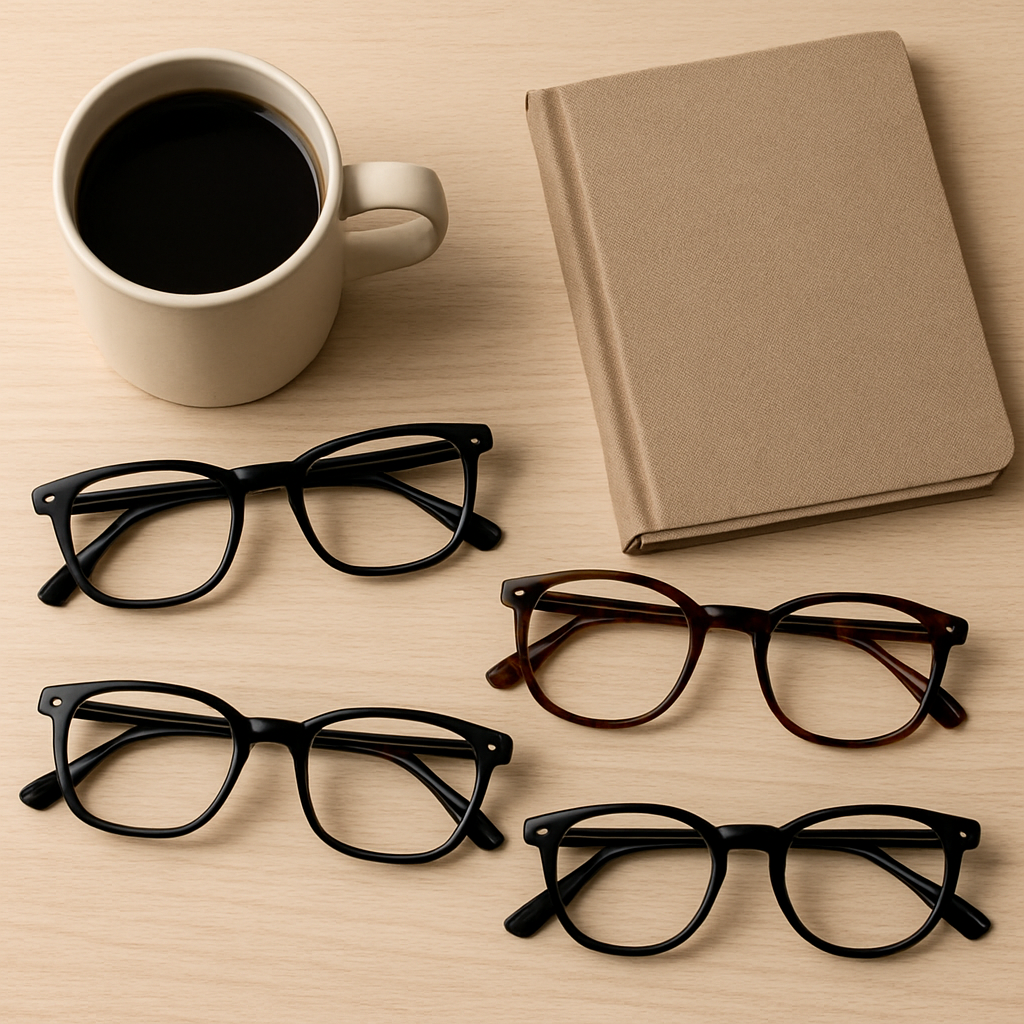
Beyond the big names, there are a handful of niche designers that consistently deliver style for less. Look for labels like ZENA or RX 5415D – they often appear in our catalog with acetate finishes and metal accents that rival pricier options.
Remember the price‑per‑frame test we mentioned earlier: if the online price is under half the typical retail cost, it’s usually a safe bet – provided the seller lists clear material specs and a hassle‑free return policy.
Bottom line: cheap designer eyeglasses online aren’t a myth; they’re just a matter of knowing which brands consistently negotiate lower wholesale rates and which retailers are transparent about their sourcing.
Ever held a pair of cheap designer eyeglasses online that looked perfect in the photo but felt… off when it arrived? You’re not alone. Spotting the real deal is a mix of detective work and a few trusted tricks.
Legit brands always publish a specific model code – think “RB7148” for a Ray‑Ban Wayfarer. When you’re browsing, scroll down to the specs and compare that string with the official brand catalog (a quick Google search of the code + brand name usually does the trick). If the seller omits the number or gives a vague “style #123,” raise an eyebrow.
Authentic frames proudly list the material – acetate, titanium, stainless steel, etc. A genuine product will note the weight, finish, and any special coatings. If you see just “high‑quality plastic” or no mention at all, that’s a red flag for a knock‑off.
Real sellers provide studio shots, close‑ups of the hinge, logo placement, and, importantly, user‑generated photos. Those real‑world pics reveal how the logo sits on the temple and whether the metal has the expected sheen. If the page only has one glossy image, you might be looking at a stock photo.
Does the seller’s return policy give you peace of mind? That’s our next tip.
Authentic retailers understand that fit is personal. A 30‑day (or longer) return with free shipping is a hallmark of a reputable source. If the policy is vague, or you’re forced to pay return shipping, think twice before you click “add to cart.”
And now, a quick visual break.
That video walks through the key details you should compare side‑by‑side. Keep those pointers in mind as you scroll.
Take the typical retail price you’d expect for a designer pair and divide it by two. If the listing you’re eyeing sits comfortably below that number, you’re likely in the sweet spot. But beware prices that seem “too good to be true” – they often are.
Remember, the logo placement is a tell‑tale sign. Authentic Versace, for example, has the Medusa emblem embossed on the temple, not printed on a sticker. The same goes for Christian Lacroix’s signature “CL” engraving near the hinge.
Before you click “buy,” glance at the seller’s About page. Legit eyewear dealers often display certifications like ISO 9001 or mention they’re an authorized dealer for the brand. A quick search for customer reviews outside the site (e.g., Trustpilot or Reddit eyewear threads) can reveal patterns – consistent praise for authenticity is a green light, while repeated complaints about “fake logos” signal danger.
Also, pay attention to the domain name. Sites that use a generic .com with a random string of numbers are more likely to be drop‑shippers pushing counterfeit stock. A dedicated domain with clear contact info, a physical address, and a professional FAQ section usually means they stand behind their products.
Finally, trust your gut. If something feels off – maybe the description is missing a key detail, or the seller can’t answer a simple question about the frame’s finish – it’s okay to walk away. There are plenty of other sources offering cheap designer eyeglasses online that play by the rules.
By running through these five checkpoints, you’ll turn the vague world of online eyewear into a clearer, safer place. Happy hunting, and may your next pair be both stylish and genuine.
When you’ve already filtered out the sketchy corners of the web, the next question is: where do the real deals live? Below are the three places we keep on our radar because they consistently combine authentic designer names with prices that won’t make your wallet cry.
Most luxury houses run a dedicated “outlet” sub‑domain or a seasonal clearance page. Think Ray‑Ban’s Ray‑Ban Outlet or Versace’s Versace Outlet. These pages are owned by the brand itself, so the model numbers, material specs, and warranty info line up perfectly with the official catalog.
Why they’re a winner for cheap designer eyeglasses online:
Actionable tip: sign up for the brand’s newsletter and set a price‑alert in your browser. When a model you like drops below your “price‑per‑frame” threshold, jump on it. We’ve seen customers snag a Ray‑Ban Wayfarer for $95 during a Black‑Friday flash sale – that’s a $120‑plus saving.
Sites that aggregate dozens of authorized dealers give you a bird’s‑eye view of pricing across the board. Look for marketplaces that display the exact model code, material breakdown, and a verified seller badge. Because they pull inventory from multiple warehouses, you often get the lowest‑available price without sacrificing authenticity.
Real‑world example: a shopper was hunting for a Christian Lacroix CL 1095. On a curated marketplace, three different sellers listed the same frame, ranging from $115 to $138. By filtering for “free returns” and “verified seller,” the shopper chose the $115 offer, saved $25, and still got a 30‑day return window.
Steps to make the most of these platforms:
Pro tip: many marketplaces partner with financing services like Klarna or PayPal Credit, letting you spread the cost over a few months without interest. That can turn a $140 pair into a manageable $35‑per‑month payment.
Newer brands have built their business model around offering runway aesthetics at a fraction of the cost. They source the same high‑grade acetate or titanium, but because they skip the traditional wholesale chain, the final price lands in the $80‑$130 range.
One popular player runs a “designer‑inspired” collection that mirrors the silhouette of a classic Prada acetate frame. The product page lists the exact dimensions (54‑18‑140 mm), the material (premium cellulose acetate), and a 30‑day return guarantee. Customers love the “try‑on‑at‑home” kit that ships the frames in a sturdy case, letting you decide before committing.
How to vet these newcomers:
Bottom line: while the biggest name‑brand outlets give you the peace of mind of a legacy label, curated marketplaces and savvy start‑ups open the door to even deeper savings. Combine the three approaches – set alerts on brand outlets, compare prices on multi‑brand sites, and keep an eye on emerging direct‑to‑consumer labels – and you’ll have a steady pipeline of cheap designer eyeglasses online that feel genuine, look great, and keep your budget happy.
Alright, you’ve scoped the brands, you’ve checked the warranties – now it’s time for the quick‑glance cheat sheet that tells you which style lands where on the price spectrum.
Think of it like a coffee menu: you know you want a latte, but you also want to know if the price includes that extra shot of caramel. Below, we break down the most common designer silhouettes you’ll see when you hunt for cheap designer eyeglasses online, and we pair each with the price band you can realistically expect.
We’ve taken the average “sale” price from a mix of brand‑official outlets, curated marketplaces, and reputable direct‑to‑consumer sites. That means the figures are what most shoppers end up paying after discounts, not the original retail tag.
If a range feels a bit wide, that’s because the same frame can swing lower when a flash sale hits, or sit higher if you add a premium coating.
When you pair a price with a lifestyle, the numbers start to make sense. A Wayfarer under $130 works great for commuters who need a durable frame that can survive a morning subway ride and still look sharp at the office. A cat‑eye in the $110‑$150 range feels like a weekend‑ready accessory – perfect for brunch dates or art‑gallery strolls. Square frames priced $115‑$140 often hit the sweet spot for professionals who want a bold statement without the premium markup. Knowing which price matches your daily routine helps you avoid the trap of buying the cheapest pair that simply doesn’t fit your needs.
| Style | Typical Price Range (USD) | Where You’ll Likely Find the Best Deal |
|---|---|---|
| Classic Wayfarer (Ray‑Ban) | $90 – $130 | Brand‑official outlet or curated marketplace |
| Playful Cat‑Eye (Kate Spade) | $110 – $150 | Seasonal sales on the brand site or trusted multi‑brand retailer |
| Bold Square (Christian Lacroix) | $115 – $140 | Direct‑to‑consumer start‑up with “designer‑inspired” line |
| Sleek Minimalist (Michael Kors) | $120 – $160 | Curated marketplace with verified sellers |
| Lux Medusa (Versace Outlet) | $130 – $180 | Versace outlet page during end‑of‑season clearance |
Notice how the “Classic Wayfarer” still sits under $130 even though it’s a legacy silhouette. That’s the sweet spot most budget‑savvy shoppers target – you get the iconic look without the $300 markup.
But let’s be honest: style isn’t just about price. A cat‑eye can feel like a statement piece that elevates a casual tee, while a square frame might be the perfect office‑ready upgrade. Ask yourself: “Do I need a frame that screams confidence every morning, or one that slides on quietly for everyday wear?”
So, what should you do next? Grab a pen, jot down your favorite two styles, then compare the rows above. If a $115 square frame from Lacroix fits your budget, set a price alert on the marketplace and wait for that flash‑sale notification.
And remember, the cheapest option isn’t always the best value if the return policy is missing or the warranty is vague. A $10 difference means nothing if you end up paying for a new pair because the first one cracked after a month.
Bottom line: this table gives you a visual shortcut. Use it like a compass when you scroll through endless product pages, and you’ll land on cheap designer eyeglasses online that actually match your style, your wallet, and your peace of mind.
We’ve all been there—click “add to cart,” then wonder if those frames will actually sit right on your nose. The good news? You don’t need a physical shop to nail the fit. Below are five down‑to‑earth tricks that let you shop for cheap designer eyeglasses online with confidence.
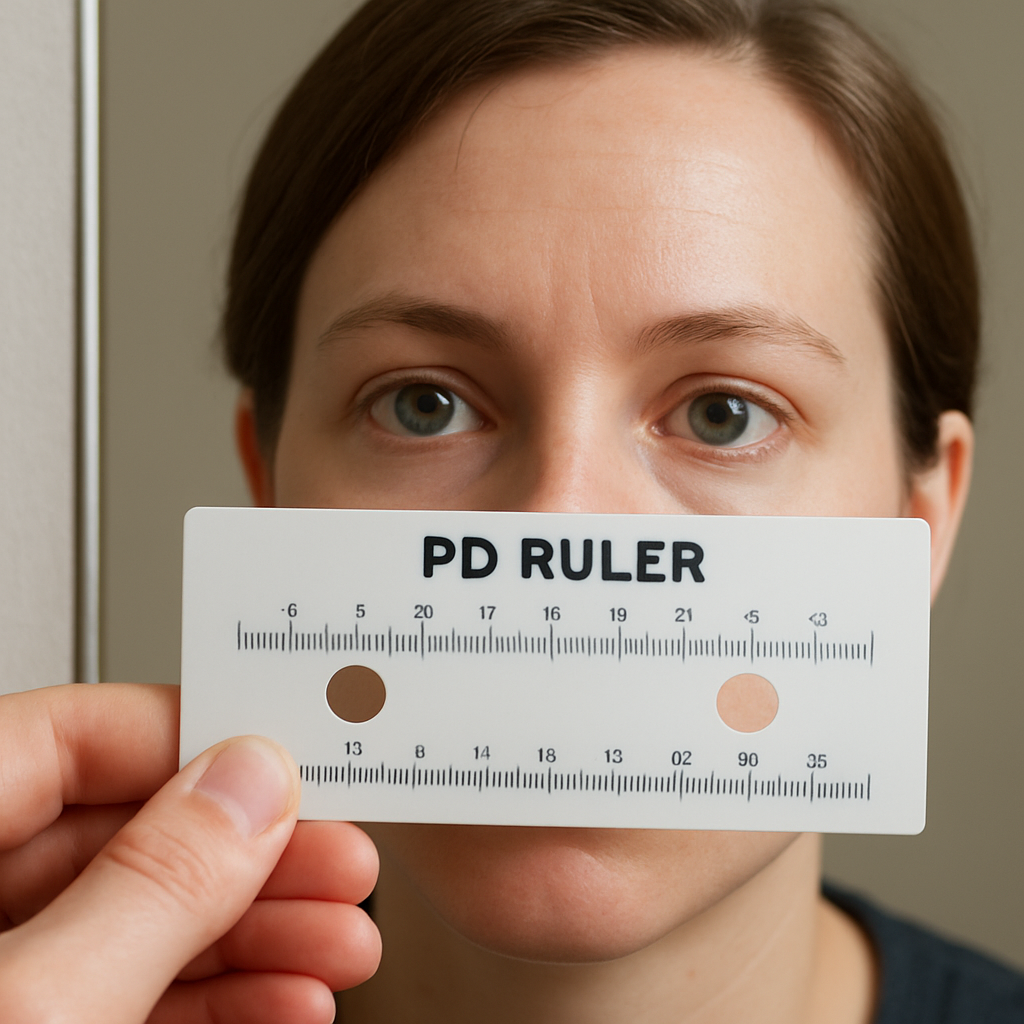
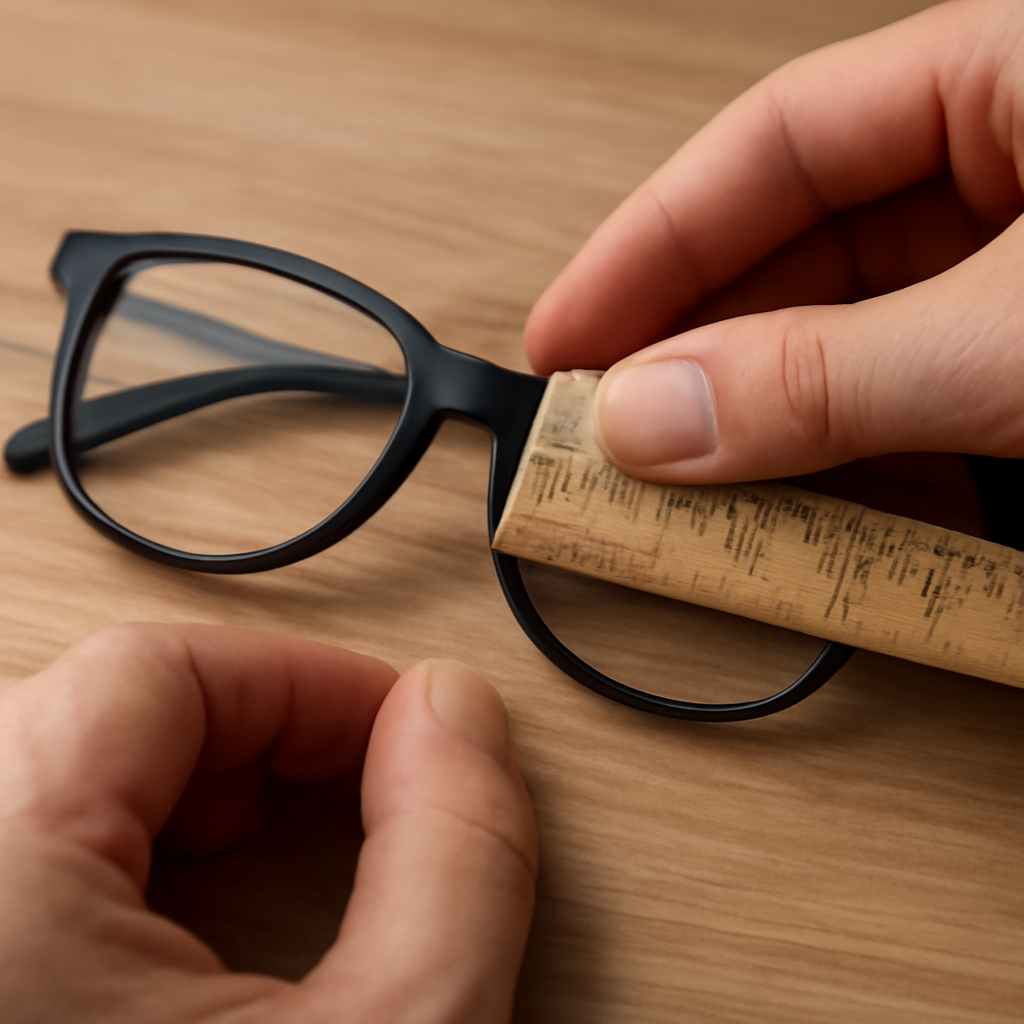
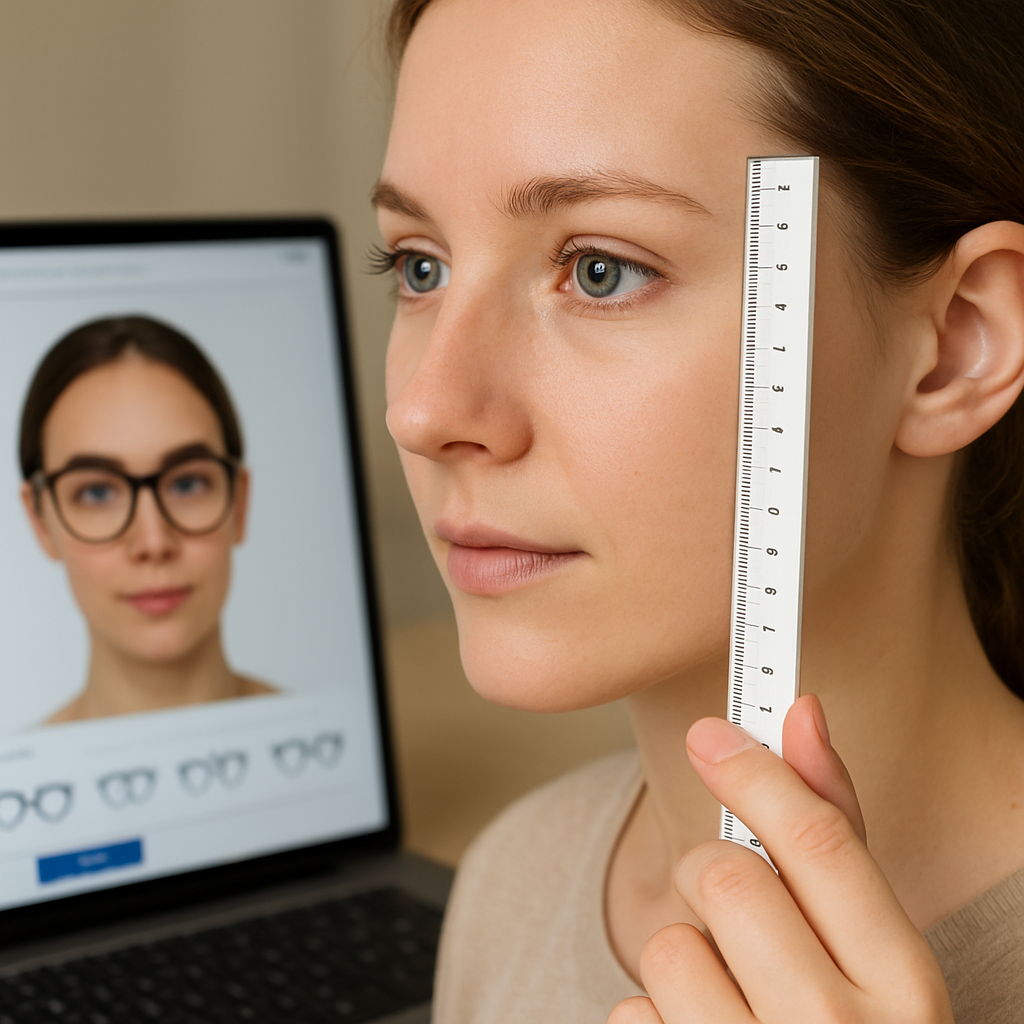
Before you even type a brand name, grab a ruler or a soft measuring tape. Jot down three numbers: the width of your face from temple to temple, the bridge width (the gap between lenses), and the temple length (the arm that goes over your ear). Most product pages list these three figures—look for something like “54‑18‑140 mm.” If the numbers line up with your measurements, you’re already halfway to a perfect fit.
Think of it like buying a bike online. You wouldn’t order a 20‑inch frame if your legs are built for a 26‑inch one, right? The same logic applies to glasses.
Many brands now offer a webcam‑powered “try‑on” feature. It’s basically a mirror that super‑imposes the frames onto your face in real time. Even if the tech isn’t 100 % precise, it gives you a sense of proportion—whether a cat‑eye will dwarf your cheekbones or a square frame will hug your jaw.
Tip: do it in natural light, and make sure your hair is away from your face. A quick video of you wearing the frames (even a selfie video) can reveal if the temples press uncomfortably against the sides of your head.
Every reputable seller provides a size guide. Don’t skim it—compare the listed dimensions to the measurements you took. If you’re between sizes, err on the side of the larger number for the bridge and temple length; you can always trim excess if needed, but a too‑tight fit will never feel right.
And remember, “small” on a Ray‑Ban Wayfarer isn’t the same as “small” on a Michael Kors minimalist. Each brand’s naming convention can differ, so the millimeter details are your true north.
This is the safety net that turns a “maybe” into a “yes.” Look for at least a 30‑day return window with prepaid shipping. A good policy lets you try the glasses at home, check the fit over a full day, and send them back if they feel off.
In our experience, sellers that offer a “no‑questions‑asked” return tend to stand behind the accuracy of their size data. If the policy feels vague or you have to foot the return postage, it’s a red flag—skip that listing.
Product photos are staged; customer snapshots are raw. Scroll through the review section and look for images of people with similar face shapes to yours. Notice where the frames sit—do they slip down the nose, or do the temples hug the ears?
Even better, read the comments that mention fit. Phrases like “perfect for round faces” or “a bit tight on the bridge” give you clues that the specs alone can’t provide.
Putting these steps together turns the online shopping experience into a mini‑fitting room. You measure, you compare, you test, you confirm the return safety net, and you validate with community feedback. By the time you hit “checkout,” you’ll feel as sure as if you’d tried the frames on in a boutique.
Bottom line: cheap designer eyeglasses online don’t have to be a gamble. Use the numbers, the tech, the policies, and the crowd wisdom, and you’ll land a pair that looks great, feels comfortable, and keeps your wallet happy.
First thing most of us forget is a sturdy case. It sounds boring, but a hard-shell case with a soft interior lining stops that dreaded “crack‑on‑the‑bridge” moment when you toss your glasses into a bag. We’ve seen shoppers on BuyEyeglass rave that a case worth a few bucks saved them from spending $30‑$40 on a replacement.
Those little pocket‑sized cloths are magic. A quick swipe removes fingerprints without scratching the lens coating. Keep one in your purse and another in your car so you’re never caught with smudged frames during a video call.
Water alone works, but a proper lens‑safe spray dissolves oil from sunscreen or makeup. Spray onto the cloth—not directly on the lenses—to avoid streaks. It’s a tiny habit that keeps your cheap designer eyeglasses online looking showroom‑fresh.
Ever walked from a warm office into a chilly street and watched your vision turn into a foggy mess? A quick anti‑fog mist on the inner surface stops that. It’s especially handy if you wear a mask or love outdoor coffee runs.
Not every frame comes with perfect nose pads. Tiny silicone pads or adjustable metal pads let you raise or lower the glasses just enough to avoid a slip‑down or a pressure point. It’s a small tweak that makes a big comfort difference.
If you’re the type who’s always on the go—running errands, biking, or juggling kids—a silicone strap or a stylish chain keeps the glasses from taking a dive. They double as a fashion statement; think leather cords for a vintage vibe or bright silicone for a pop of color.
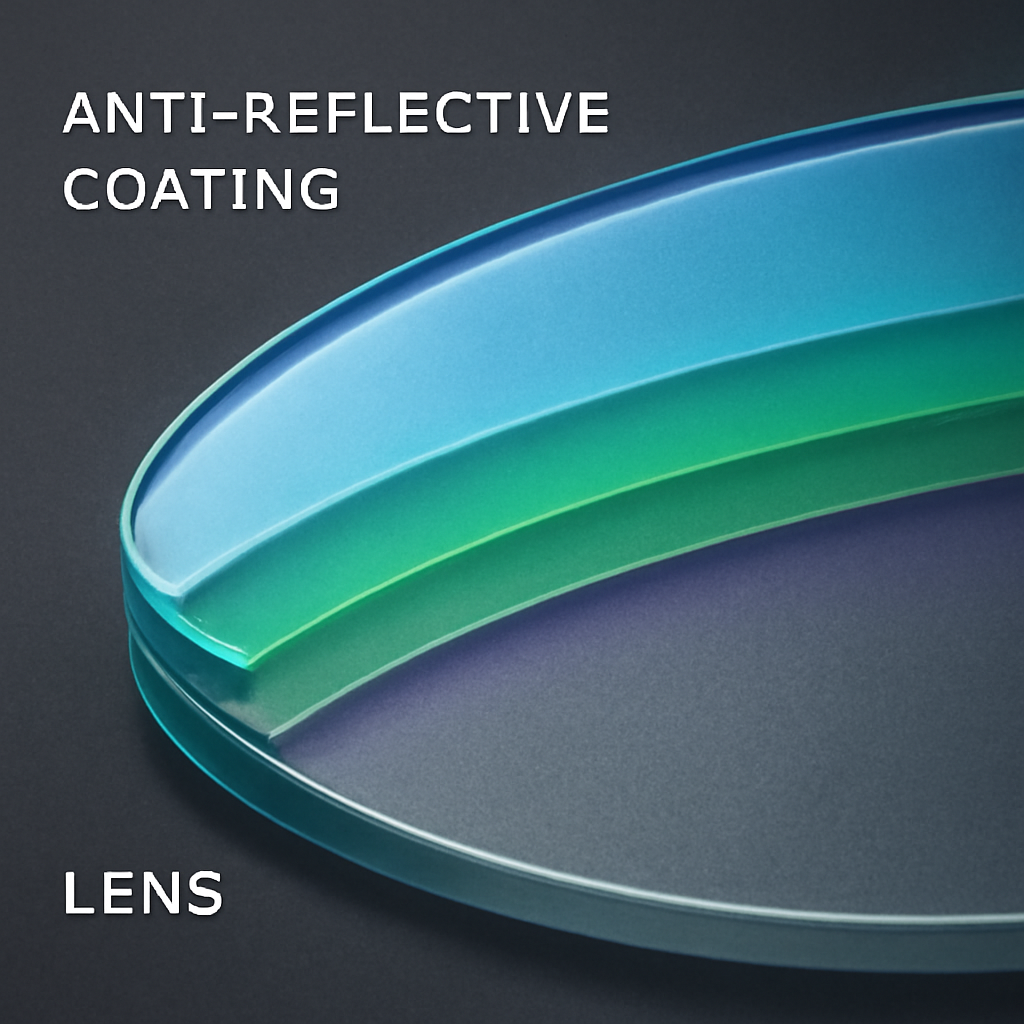
Many cheap designer frames come without added coatings. Adding a blue‑light filter protects your eyes during screen time, while UV coating shields against sun glare. The upgrade usually costs under $15 and feels like a mini‑upgrade to the whole look.
Mount a tiny magnet on the inside of your desk or nightstand. When you take the glasses off, they snap onto the magnet instead of sliding off the surface. It’s a tiny habit that saves you from frantic searches each morning.
Pre‑moistened wipes are perfect for airports or hotel rooms. They’re disposable, so you don’t have to worry about spilling liquid on electronics. Toss a few in your carry‑on and you’ll never be stuck with blurry vision on a flight.
Some retailers let you laser‑engrave a tiny monogram on the temple. It’s a personal touch that turns a budget frame into a piece you actually treasure. Plus, it helps you spot your glasses if they get mixed up with a friend’s.
All these add‑ons are cheap enough that they won’t blow your budget, yet they make a cheap designer eyeglasses online purchase feel polished, comfortable, and uniquely yours. Think of them as the accessories that turn a functional pair of frames into a style statement you’ll actually enjoy wearing every day.
When you scroll through the reviews on a frame, the first thing people mention is the “what‑did‑I‑pay?” moment. One buyer wrote that the same Kate Spade Wayfarer they’d seen for $200 was listed at $118 on BuyEyeglass, and the savings felt “almost illegal.” That kind of comment instantly tells you the deal is real, not just a marketing hype.
Notice how reviewers often compare the price to the original retail tag. If you see several folks saying “I’d pay $150 elsewhere, but got it for $90 here,” you’ve got a pattern of genuine discount.
It’s one thing to love a cheap designer frame, another to have it survive a week of coffee‑shop hustle. Reviewers love to mention that the acetate didn’t crack after a dropped bag, or that the hinges stayed tight after a month of daily wear.
One user shared, “I work in a kitchen, steam everywhere, and these lenses still look clear after three weeks.” Those real‑world anecdotes give you confidence that the low price isn’t cutting corners on build quality.
Many customers point out that they added a blue‑light filter for under $15 and instantly noticed less eye strain. A reviewer said, “I paid $12 extra for the coating, and it feels like I saved $30 in doctor visits.” When a small upgrade shows a clear health benefit, the overall value of the purchase skyrockets.
Look for reviews that quantify the benefit – “no more fog on my morning commute” or “no headaches after gaming.” Those specifics translate the price tag into tangible savings.
One of the most reassuring themes in the comment sections is the hassle‑free return. Shoppers mention, “I tried them for three days, the nose pads needed a tweak, and the free return made it painless.” When a retailer backs the purchase, the perceived risk drops, and the effective cost to you shrinks.
Even if the frames weren’t a perfect fit, the ability to send them back without paying shipping means you’ve essentially saved the cost of a second pair you might have otherwise bought.
Beyond words, reviewers post pictures of themselves wearing the glasses at work, on a hike, or at a wedding. Those images let you see how the frame looks on different face shapes. A comment like “My round face finally found a square frame that doesn’t slide down” is pure gold – it tells you the style works for you, saving you the guesswork and potential returns.
When you see a gallery of happy customers, you’re more likely to trust the price claim because the product has already passed a crowd‑sourced quality test.
By scanning the review section with these five lenses, you turn vague star ratings into concrete savings. It’s like having a mini‑focus group right on the product page, letting you decide if that $120 frame truly feels like a $80 win.
So next time you’re tempted by a designer name tag, pause and let the community do the heavy lifting. Their real‑world experiences often reveal hidden value that a plain price tag can’t show.
After digging through model numbers, material specs, and real‑world reviews, you’ve seen how buying cheap designer eyeglasses online doesn’t have to feel like a gamble.
We’ve reminded you to double‑check the model code, scan customer photos for fit, and use the price‑per‑frame test as your safety net. Those five checkpoints turn a vague star rating into a concrete savings plan.
Does it still seem overwhelming? Think of it like this: you’re now equipped with a mini‑focus group, a virtual try‑on mirror, and a 30‑day return guarantee all rolled into one shopping session.
So what’s the next move? Pick two styles that match your face shape, set a price alert on the brand’s outlet or a curated marketplace, and add them to a watchlist. When the price drops below your “sweet‑spot” threshold, hit purchase and enjoy the hassle‑free return if they don’t feel right.
Remember, the real win isn’t just a lower price tag—it’s the confidence that the frames you choose actually suit you and won’t break the bank.
If you’d like a quick recap of our checklist, the BuyEyeglass site bundles all these tips in one handy guide, making your hunt for cheap designer eyeglasses online smoother than ever today.
First, grab the exact model code from the brand’s catalog – something like “RB7148” for a Ray‑Ban Wayfarer – and match it to the number listed on the product page. Next, check that the material (acetate, titanium, stainless steel) is spelled out and that the photos show close‑ups of the hinge, logo placement, and any engraving. A reputable seller will also display a certified dealer badge or ISO reference and offer a clear, 30‑day return window. If any of those pieces are missing, treat the listing with caution.
Start with the typical retail price you’d expect for the designer style – you can find that on the brand’s official site or a trusted outlet. Divide that number by two; that’s your rough “sweet‑spot” ceiling. When you see a listing below that threshold, it’s probably a genuine discount. But if the price is dramatically lower (say 30 % of retail), dig deeper: verify the model, read customer photos, and make sure the seller’s return policy protects you.
Yes, especially if you spend a lot of time in front of screens or outdoors. Look for “blue‑light filter” or “UV‑400” listed in the specs. If the description only says “plain lenses,” consider adding a coating for under $15 – many sellers let you upgrade at checkout. The coating not only protects your eyes but also adds value, turning a $90 frame into a long‑term investment rather than a cheap pair you’ll replace soon.
Virtual try‑ons are a great first step, but treat them as a rough guide, not a guarantee. Use a webcam in natural light, position the camera at eye level, and make sure your hair is out of the way. Compare the on‑screen frame width to the dimensions listed (e.g., 54‑18‑140 mm). If the virtual preview looks too wide or narrow, double‑check the size chart before you click “add to cart.”
Read the fine print on the checkout page. Some sites bundle the frame price with “handling” fees that can add $10‑$20. Look for “free shipping” or “shipping included” badges, and verify whether the return postage is prepaid. If a seller only offers “standard” shipping but then charges extra for “express,” you might be better off with a different retailer that includes shipping in the advertised price.
At a minimum, aim for a 30‑day, no‑questions‑asked return with prepaid postage. The policy should let you keep the frames while you test the fit at home; if they don’t work, you can ship them back for a full refund. Avoid sellers that require you to cover return shipping or that only offer store credit – those terms increase the risk of ending up with a pair that looks great online but feels off in reality.
Marketplace sellers can offer deeper discounts because they aggregate inventory, but you need to do extra homework. Verify that the listing includes the exact model number, material details, and high‑resolution images. Check the seller’s rating, read at least two verified‑buyer reviews, and confirm they provide a 30‑day return with prepaid shipping. Brand‑official outlets eliminate most of that risk – the frames are guaranteed authentic, but the price may sit a few dollars higher. We often recommend starting with an outlet, then scouting a marketplace for a final price break.