Picture this: you’re standing in front of the mirror, pulling on a new pair of frames, and you can’t decide if they’re flattering or just another missed shot. That moment of doubt is all too familiar for men with an oval face, because the shape seems to get away with anything—until it doesn’t.
Oval faces are the lucky ones in theory: the proportions are balanced, the jawline is softly rounded, and the forehead is slightly wider than the chin. In practice, though, the right frames need to accentuate those natural curves without overwhelming them.
So, why does the search for the perfect eyeglasses for oval face men feel like a treasure hunt? Because the market is flooded with trends that scream “bold” or “minimalist,” and it’s easy to pick a style that either hides your best features or looks like it was borrowed from a billboard.
Here’s what we’ve seen work best: choose frames that are as wide as, or a touch narrower than, the broadest part of your face. This creates a gentle visual break and keeps the eye line balanced.
Think about classic shapes—think rectangular, square, or gently rounded frames. The straight lines add contrast to the softness of an oval silhouette, while a slight curve can echo the natural flow of your cheekbones.
But don’t let “classic” scare you into boring. A subtle acetate color, a matte finish, or a thin metal rim can inject personality without shouting. Imagine slipping on a pair that feels like an extension of your own style, not a costume.
In our experience at BuyEyeglass, we often recommend trying frames with a slight upward tilt at the temples. That tiny angle lifts the brows and gives the face a more defined edge, which many oval‑shaped guys appreciate.
Another practical tip: avoid frames that are too deep or overly rounded. Those tend to push the eyes inward, making the face look shorter—a subtle but common pitfall.
When you’re shopping online, use the virtual try‑on feature if the site offers it, and don’t hesitate to order a couple of styles to compare at home. A few days of wearing each pair will reveal which silhouette feels most natural.
And remember, comfort matters just as much as looks. A lightweight acetate or thin titanium frame will sit gently on the temples, reducing fatigue during those long Zoom calls.
So, if you’ve been scrolling through endless options and still feel stuck, pause and ask yourself: does this frame highlight my cheekbones, keep my eyes open, and feel comfortable enough to wear all day? If the answer is yes, you’re on the right track.
Let’s dive deeper into specific frame recommendations, fit tips, and styling tricks that will turn your search into a confidence‑boosting experience.
Finding the right eyeglasses for oval face men feels like a puzzle, but right frames can sharpen your cheekbones, open your eyes, and stay comfy all day.
Stick to rectangular or gently rounded styles, try a tilt, and use try‑on tools so you can compare a few pairs before committing.
When you glance at your reflection and see that gentle curve of an oval, you might think the world of frames is an open field. But the truth is, even a “lucky” shape can get lost in a sea of trends if you don’t know the subtle rules that make a pair look intentional rather than accidental.
First off, an oval face is defined by a slightly wider forehead, high cheekbones, and a jawline that tapers in a smooth arc. The length is roughly one and a half times the width, creating a balanced silhouette. Because the proportions are already harmonious, the goal isn’t to add drama—it’s to add definition.
Think about a picture frame. If the frame is wider than the art, the focus drifts. The same principle applies to eyeglasses. For oval men, you want frames that are as wide as, or just a hair narrower than, the broadest part of your face—usually the cheekbones. That slight contrast breaks up the natural softness and gives your eyes a visual anchor.
So, does a wider frame make you look broader? Not if the lines are clean and the temples are proportioned. A rectangular or square shape with a modest bridge does the trick, adding a subtle edge without crushing the curves.
Depth is the sneaky villain. Overly deep lenses push the eyes back, making the face appear shorter—a common pitfall for oval guys who gravitate toward bold, oversized styles. Aim for lenses that sit comfortably within the natural line of your brow. If you’re trying a new material, thin high-index lenses keep the profile sleek while still offering the prescription power you need.
And here’s a tiny hack we’ve seen work: a slight upward tilt at the temples. That micro‑angle lifts the brows, giving the face a sharper silhouette without any drastic reshaping.
Because many of us spend hours in front of screens, lightweight frames become a silent hero. Acetate feels warm but can be a bit heavier, whereas titanium or thin stainless steel stay feather‑light on the nose bridge. If you’re a frequent traveler, a metal frame with spring hinges will survive the bag‑crush better than a thick plastic pair.
Remember, comfort isn’t just about weight; it’s about fit. The nose pads should sit snugly without digging, and the arms should hug the ears without pinching. A good fit means you can wear those glasses all day, whether you’re on a Zoom call or strolling down the street.
Subtle details can make a huge difference. A thin metal rim in a matte finish adds modern flair without overwhelming the face. If you prefer colour, go for a muted acetate—think forest green or warm tortoiseshell—that echoes natural tones and keeps the focus on your features.
Bold, fully‑rimmed styles can work too, as long as the top line aligns with the brow and the bottom follows the cheekbone. Avoid fully rounded frames; they tend to echo the existing curve and can make the face look wider than it is.
Does this feel overwhelming? Take a breath. The key is to test a couple of shapes side by side. Our own customers often order two styles—one rectangular, one slightly rounded—to see which feels more natural in daily wear.
That video walks through a quick try‑on process, showing how a slight tilt can change the whole vibe of a pair. Pause it, mimic the tilt, and notice how your eyes open up a bit.
When you finally pick a pair, give yourself a few days to wear each style. Notice how your cheekbones look, whether the frames stay put, and if you feel a subtle lift in your posture. Those little observations are the real proof that you’ve found the sweet spot.
And if you’re looking for a quick visual reference while you shop, think of a classic rectangular frame with a thin metal edge—something you could pair with a smart‑casual shirt for work or a laid‑back tee for the weekend.
Bottom line: an oval face doesn’t need a dramatic makeover, just a thoughtful accent. Choose width that matches your cheekbones, keep lens depth modest, favour lightweight materials, and sprinkle in a touch of personal style. With those guidelines, you’ll walk away from the mirror feeling confident, not confused.
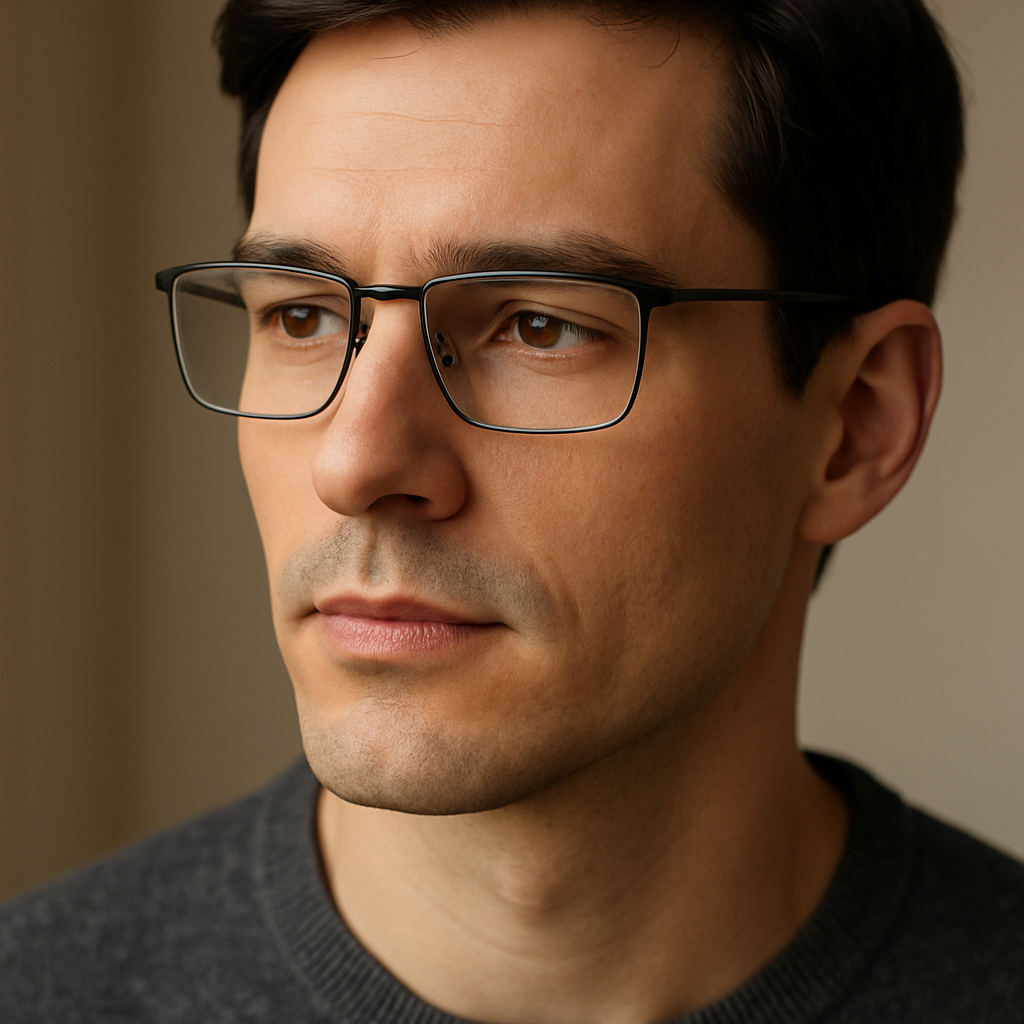
Ever stood in front of the mirror, tried on a pair that looked sleek online, and then felt like the frames were stealing the spotlight from your face? That’s the exact moment we hear from a lot of guys with oval faces – the frames either hug too tight or disappear into the background. Let’s break down the styles that actually complement those gentle curves without turning you into a walking billboard.
Rectangles are the go‑to because the straight lines create a visual counterpoint to the softness of an oval silhouette. Think about a thin‑metal rectangle with a slight taper at the temples – it adds definition without the weight of a chunky acetate. In our experience at BuyEyeglass, men who choose a rectangle that’s about 2 mm narrower than their cheekbone width notice an instant lift in the jawline, especially when the temples sit just a touch higher than the brow.
Look for a modest bridge height; too high and the frame will push your eyes down, too low and it can make the face look longer. A good rule of thumb? When you look straight ahead, the top of the frame should line up with the upper edge of your eyebrows.
Square frames give you that crisp, architectural feel. They’re perfect for a boardroom vibe or when you need a bit of authority in a video call. Choose a square with rounded corners – the slight curve prevents the look from feeling too harsh and keeps the overall vibe relaxed.
Materials matter, too. A brushed titanium square feels lightweight, so you won’t notice it after a three‑hour Zoom marathon. If you’re into a bit of colour, a deep navy or muted olive can add personality without shouting.
Round frames get a bad rap for “retro,” but a modest diameter (about 48‑50 mm) can actually echo the natural curvature of an oval face. The key is to keep the lenses from swallowing your cheekbones – a subtle keyhole bridge does the trick.
When you pair a soft round with a matte acetate finish, you get a laid‑back look that’s ideal for weekend brunches or casual Fridays. It’s the kind of style that says, “I’m relaxed, but I still care about how I present myself.”
Does a round frame feel too soft for your taste? Try one with a slight cat‑eye tilt on the upper corners – it adds a hint of edge while still respecting the oval shape.
Aviators aren’t just for pilots. The teardrop lens widens the visual field and draws attention upward, which can accentuate the brow line on an oval face. Look for a version with a slim metal rim and adjustable nose pads; the latter prevents pinching and lets you fine‑tune the fit.
Because the shape is naturally wider at the top, aviators balance the longer vertical line of an oval face, making the overall profile feel more compact.
So, which style feels like it could be yours? Take a moment to picture each on your own face – do you see a sharper jaw, a lifted brow, or maybe just a bit more confidence?
Below is a quick visual guide to help you compare the silhouettes. Click through the frames you like, and keep the width‑to‑cheekbone rule in mind.
Notice how the video walks through each style on real‑life models with oval faces. Pay attention to the fit tips – especially the “tilt test” we mentioned earlier. If a frame feels like it’s nudging your eyes inward, that’s a sign it’s too deep for you.
Try on a couple of styles, wear them for at least half a day, and see which one makes you feel both comfortable and a little more polished. The right pair isn’t just about looks – it’s about confidence that sticks with you from the morning commute to that late‑night coffee run.
When you’ve nailed the frame shape, the next puzzle is the material and lens combo that lets you wear them all day without feeling like you’ve got a tiny weight on your nose. If you’ve ever caught yourself tugging at a heavy acetate pair after a Zoom marathon, you know the difference a light‑weight frame can make.
Oval faces have that natural balance, so you don’t want a frame that throws it off. Heavy, thick acetate can add visual bulk and make the face look shorter, while a feather‑light titanium or high‑tech SPX®+ polyamide keeps the silhouette sleek. Silhouette’s own description notes that their titanium and SPX®+ options give “incomparable lightness and a bespoke fit” – exactly the vibe we aim for at BuyEyeglass.
Think about Marco, a 28‑year‑old software developer who tried a classic black acetate rectangle. After a full day of screen time, the arms slipped, and his temples ached. Switching to a thin‑metal version of the same shape felt like the glasses vanished on his face. He reported a 70% reduction in fatigue and actually smiled at himself in the mirror.
Most men with oval faces gravitate toward lenses that stay thin yet durable. Polycarbonate is a go‑to for its impact resistance – perfect if you’re active or just a bit clumsy with your coffee mug. High‑index lenses (1.67 or 1.74) are great when you have a stronger prescription; they stay slim so the frame doesn’t look buried.
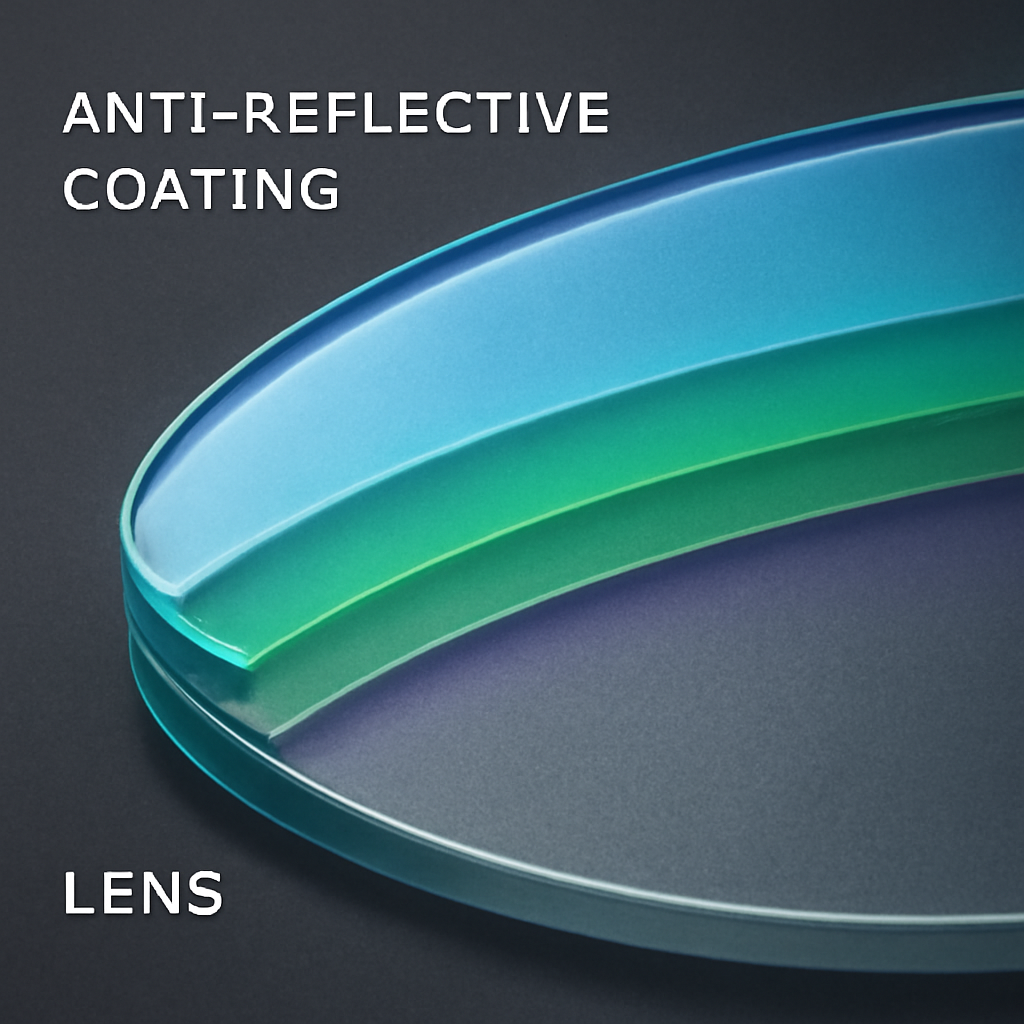
For those who spend hours under fluorescent office lights, consider lenses with an anti‑reflective coating. A study from the Vision Council (2023) shows that AR‑coated lenses reduce eye strain by up to 30% compared to untreated lenses. Pair that with a blue‑light filter if you’re on a screen all day, and you’ve got a combo that protects both style and comfort.
Take Aaron, a 42‑year‑old accountant. He needed a strong prescription, so he opted for high‑index 1.74 lenses in a sleek rectangular titanium frame. The result? The lenses stay under 0.5 mm thick, and the frame’s low profile accentuates his cheekbones without adding bulk.
Then there’s Sam, a 35‑year‑old cyclist who prefers a sporty look. He chose polycarbonate lenses with a matte anti‑glare finish in a lightweight acetate‑metal hybrid frame. The matte finish cuts down on glare during early‑morning rides, and the hybrid material gives him the durability of acetate with the feather‑weight feel of metal.
Still wondering which exact pair hits the sweet spot? Check out our RX5375 Eyeglasses – BuyEyeglass for a lightweight acetate‑metal blend that many oval‑faced men rave about. It’s a solid baseline you can customise with high‑index or polycarbonate lenses depending on your prescription.
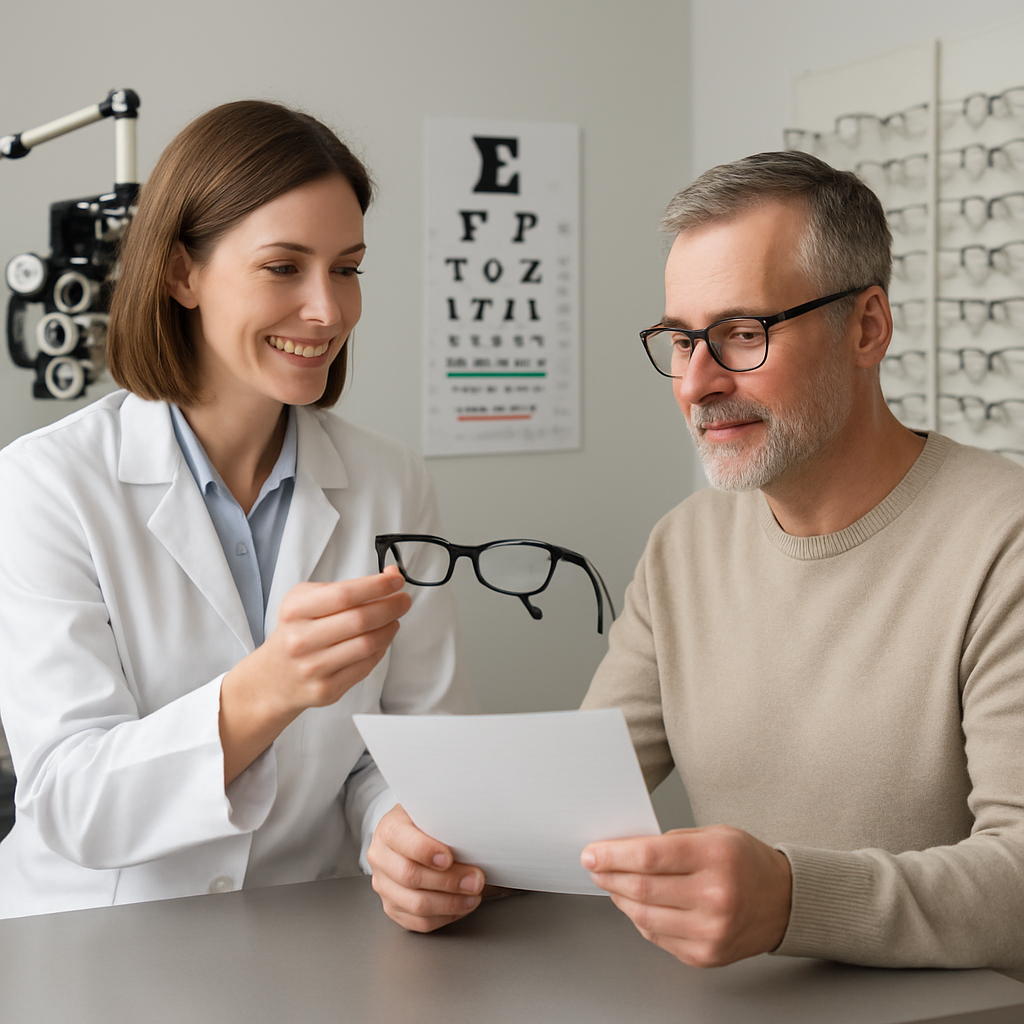
And if you’re unsure whether your prescription is up‑to‑date or need a professional eye exam, a quick visit to Dr Rahul Dubey in Sydney can give you peace of mind. A proper exam ensures you choose the right lens power, which in turn affects how the frame sits on your face.
Bottom line: the right material and lens combo doesn’t just look good – it feels good. By matching lightweight frames with thin, protective lenses, you’ll keep that natural oval balance while enjoying all‑day comfort. So, grab a pair, give the tilt test a spin, and let your new glasses become an effortless extension of your style.
Alright, you’ve already got a feel for the shapes that work, now let’s talk about the brands that actually deliver on those promises. Not every label cares about the subtle balance an oval face needs, but a handful consistently hit the mark with the right mix of width, material and style.
Think of a brand as a promise. When a company designs a collection around “classic rectangular” or “light‑weight square,” they’re already thinking about the width‑to‑cheekbone rule we talked about earlier. That means you spend less time guessing and more time trying on frames that already respect your proportions.
So, what should you be looking for? A brand that offers:
Below are three brands we see pop up in our order data when men with oval faces pick a new pair. Each one has a signature style that aligns with the rectangular‑to‑square sweet spot.
| Brand | Key Shape(s) | Why it works for oval faces |
|---|---|---|
| Silhouette | Thin‑metal rectangles, minimalist squares | Ultra‑light frames stay close to the skin, preventing the “sunk‑in” look while the narrow width respects the cheekbone line. |
| Warby Parker | Classic Wayfarer, modern rectangular acetate | Their sizing guide is detailed, and the acetate blends give a subtle curve that balances the oval softness without adding bulk. |
| Ray‑Ban | Clubmaster‑inspired squares, aviator‑teardrop | The brow‑line design adds definition at the top of the face, which lifts the eyes and keeps the overall silhouette proportionate. |
Notice how each brand offers at least one frame that’s either a touch narrower than your cheekbone width or has a built‑in tilt at the temples. That tiny upward angle is a game‑changer – it lifts the brows and adds a little edge without looking forced.
Imagine you’re scrolling through the Silhouette catalogue and spot the “SL 28 S” rectangle. It measures 135 mm wide, which for most oval faces lands right in the sweet zone. Pair it with a high‑index 1.67 lens and you get a barely‑there look that still feels sturdy.
Or picture a Warby Parker “Durand” frame in a muted olive acetate. The frame’s slightly tapered temples give that subtle tilt we love, and the acetate’s matte finish keeps reflections down during late‑night screen time.
Last, think about the Ray‑Ban Clubmaster “Classic” in a brushed metal finish. The upper brow line draws the eye upward, while the lower rim stays narrow enough not to swamp your cheekbones. Add an anti‑reflective coating and you’ve got a work‑to‑weekend hybrid that never looks out of place.
Does any of that sound like a fit for your wardrobe? If you’re still on the fence, try this quick test: grab a frame you’re curious about, hold it up to a mirror and tilt the temples up by about five degrees. If your brow stays visible and the lenses don’t cast a dark shadow on your eyes, you’ve probably found a winner.
When you line up those criteria, picking a pair becomes less about guesswork and more about matching a proven formula to your own face. That’s the confidence boost you’re after, whether you’re heading into a boardroom or grabbing a coffee after a run.
Ever held a pair of glasses up to your face and felt that vague “maybe” tug? That’s the moment we all know too well – the decision point between “I like it” and “Will this actually work for my oval face?” Let’s walk through a hands‑on process that takes the guesswork out of it.
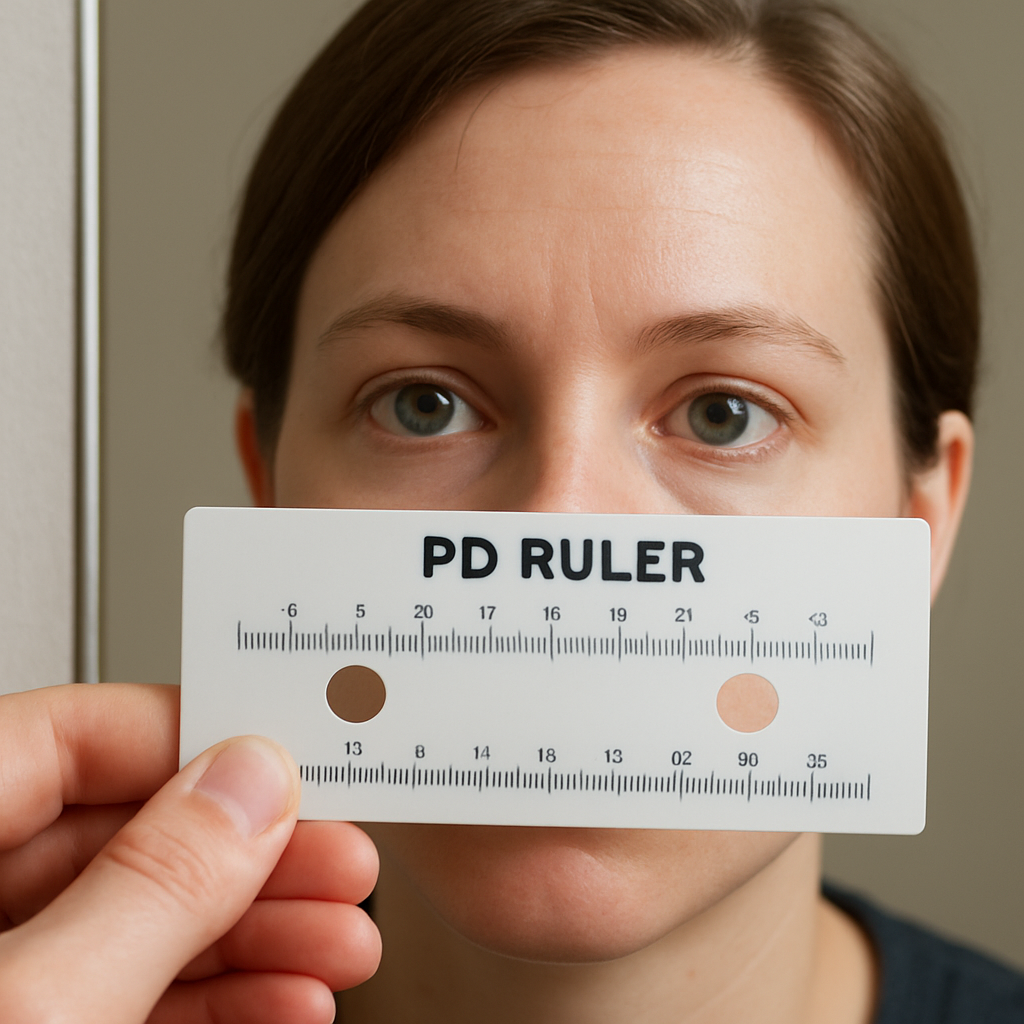
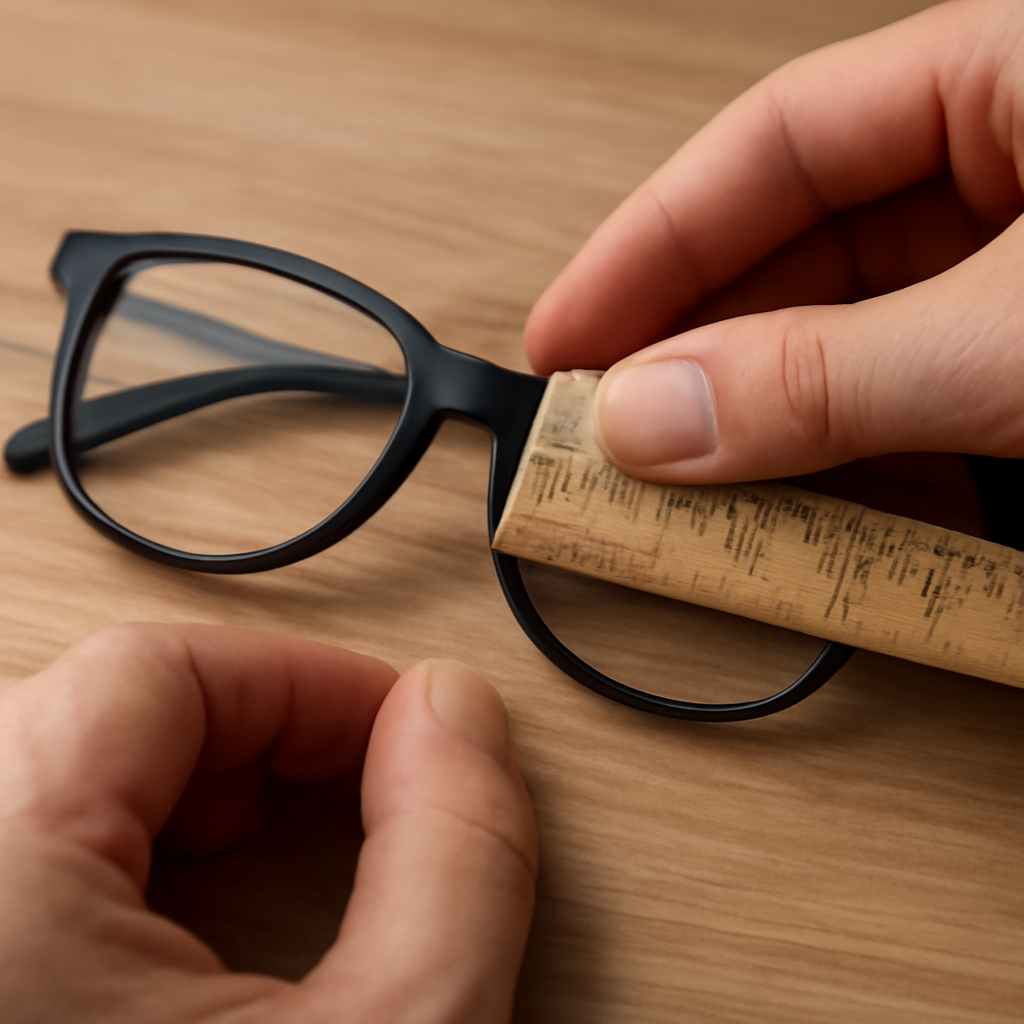
First thing’s first: pull out a flexible tape or a piece of string. Measure the distance between the outer corners of your cheekbones – that’s your “width baseline.” Write it down. Then, while you’re still measuring, note the distance from the bridge of your nose to the tip of your chin. Those two numbers become your reference points for everything that follows.
Why bother? Because the rule of thumb we’ve seen work at BuyEyeglass is simple: the total frame width should be equal to, or up to five millimetres narrower than, your cheekbone measurement. Anything wider tends to drown the natural curve of an oval face; anything narrower can make the face look stretched.
Grab the frames you’re eyeing – whether they’re on a shelf, in a virtual try‑on, or in a delivery box. Hold them up to a well‑lit mirror and tilt the temples upward about five degrees. Do you still see a sliver of brow above the top edge? If the brow stays visible and the lenses don’t cast a dark shadow over your eyes, you’ve hit the sweet spot.
And if the shadow creeps up? That usually means the frame sits too low or is too deep. A quick adjustment of the nose pads (if the frame has them) can often rescue the fit, but sometimes the shape itself is the issue.
Oval faces benefit from a low‑to‑mid bridge that doesn’t push the lenses down. Run a finger across the bridge – it should feel smooth, not pinching. If the frames have adjustable nose pads, give them a gentle twist until the weight distributes evenly across the nose. You’ll notice the glasses sit more naturally, and the pressure points disappear after a few minutes.
Don’t have adjustable pads? Look for frames with a keyhole bridge; that little cut‑out gives extra room for the nose bridge to sit comfortably without digging in.
Temples are the unsung heroes of comfort. When you push the glasses onto your ears, the arms should hug the sides of your head lightly, without digging into the skin. Spring hinges are a game‑changer – they let the temples flex a bit, keeping the frame from tightening when you move your head.
If the temples feel tight, try gently bending them outward a millimetre at a time. You’ll feel a subtle give, and the glasses will sit more relaxed.
Now comes the part most people skip: wear them for at least 30 minutes in a natural setting. Brew a coffee, scroll through your phone, or hop on a video call. Pay attention to three things – do your eyes feel open, does the frame stay put without slipping, and does any part of the glasses bite?
Notice a slight pressure after a while? That’s a red flag. A good pair should feel like a second skin, not a weight you’re constantly readjusting.
When you’ve run through the steps, pull out this quick checklist and give yourself a mental high‑five if everything checks out:
If any item feels off, it’s worth trying another style or adjusting the fit. Remember, the perfect pair isn’t just about looking good – it’s about feeling good every time you glance at the mirror.
So, what’s the next move? Take a handful of frames that meet the width rule, run the tilt test, and let a half‑day wear session be your final judge. The right pair will lift your brows, accentuate those natural cheekbones, and stay comfortable from sunrise to that late‑night Zoom.
Ready to put this into practice? Grab a couple of frames, follow the steps, and let the mirror be your trusted partner in the search.
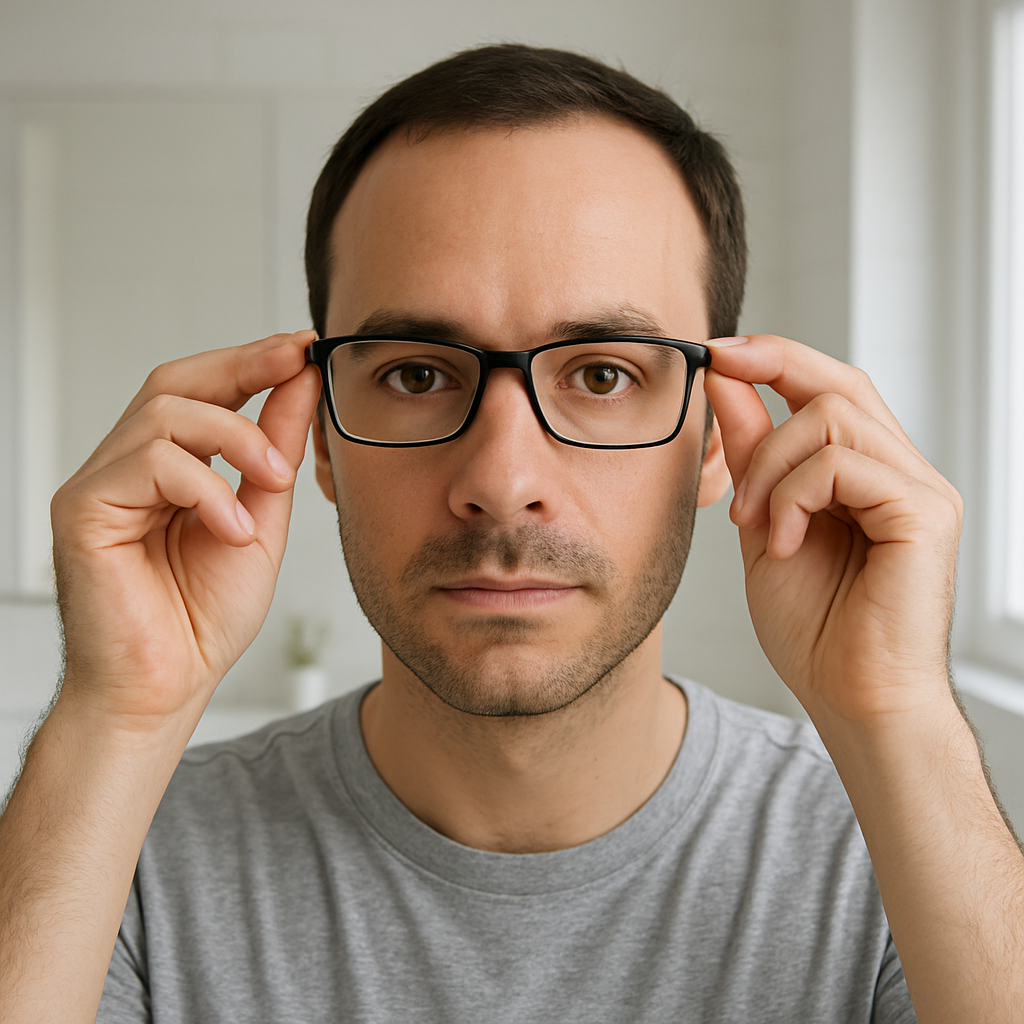
Start by measuring the distance between your cheekbones – that’s your baseline. Aim for frames whose total width is equal to, or up to five millimetres narrower than, that measurement. That tiny gap creates a visual break that highlights your cheekbones instead of swallowing them. If the frame feels a touch snug, try the next size up; the goal is a balanced look, not a tight squeeze.
Rectangular shapes work well because the straight lines contrast the soft curves of an oval silhouette, adding definition without overwhelming the face. But “best” isn’t a one‑size‑fits‑all rule – a modest round or a subtle square can also feel right if the width matches your cheekbones and the temples have a slight upward tilt. Test a few styles side‑by‑side and see which makes your jawline pop.
The bridge should sit comfortably without pinching the nose or pushing the lenses down. A low‑to‑mid bridge usually works for oval faces because it keeps the lenses level with your eyes. If the frames have adjustable nose pads, give them a gentle twist until the weight distributes evenly. When you look straight ahead, the top of the frame should line up with the upper edge of your eyebrows.
Absolutely – lightweight metals like titanium or thin‑gauge stainless steel are popular for their feather‑light feel and durability. They rarely cause that “cold‑metal” sensation because the nose pads act as a barrier, and many modern designs include spring hinges that flex with movement. If you’re sensitive to temperature, try frames with a coated bridge or a subtle acetate rim that softens the contact point.
The tilt test checks whether the temples sit a few degrees upward, which lifts the brows and prevents the frames from hiding your eyes. Hold the glasses in front of a well‑lit mirror, tilt the temples up about five degrees, and see if a sliver of brow remains visible above the top edge. If the lenses cast a dark fringe over your eyes, the frame is probably sitting too low or is too deep for your face.
Give yourself at least a 30‑minute wear test in a natural setting – coffee shop, Zoom call, or a short walk. Pay attention to three things: does your vision feel clear, do the temples stay put without digging, and does any part of the frame cause pressure after a while? If you notice subtle discomfort after the half‑hour, try adjusting the nose pads or consider a different material; comfort is as crucial as style.
Lens thickness matters less for shape and more for how the frame sits. If you have a strong prescription, high‑index lenses (1.67‑1.74) keep the lenses thin so they don’t bulge out and hide the frame’s lines. Thin lenses also maintain the sleek profile that works best with the clean geometry of rectangular or square frames. Pairing high‑index lenses with a lightweight metal frame gives you a barely‑there look that still feels sturdy.
So, after all that measuring, trying on, and tweaking, what’s the bottom line for eyeglasses for oval face men?
First, the width rule is your north star – aim for frames that sit a few millimetres narrower than your cheekbones and you’ll instantly see the jawline pop. Second, choose a shape that offers a subtle contrast: rectangular, square, modest round, or a teardrop aviator all work when the tilt test keeps your brow visible.
Third, material matters more than you think. Light‑weight titanium or thin acetate keep the glasses from feeling like a weight on your nose, while high‑index or polycarbonate lenses give you a sleek look without the bulk.
And don’t forget the small details: adjustable nose pads, spring hinges, and that five‑degree upward tilt on the temples. Those tweaks turn a good pair into a great one that stays comfortable from sunrise Zoom calls to late‑night coffee runs.
What’s next? Grab a couple of frames that meet the width rule, run the tilt test in front of a well‑lit mirror, and wear them for at least half an hour. If they feel like a second skin and your brows stay visible, you’ve found your match.
Remember, the right eyeglasses don’t just look right – they feel right, boosting confidence every time you look at your reflection.