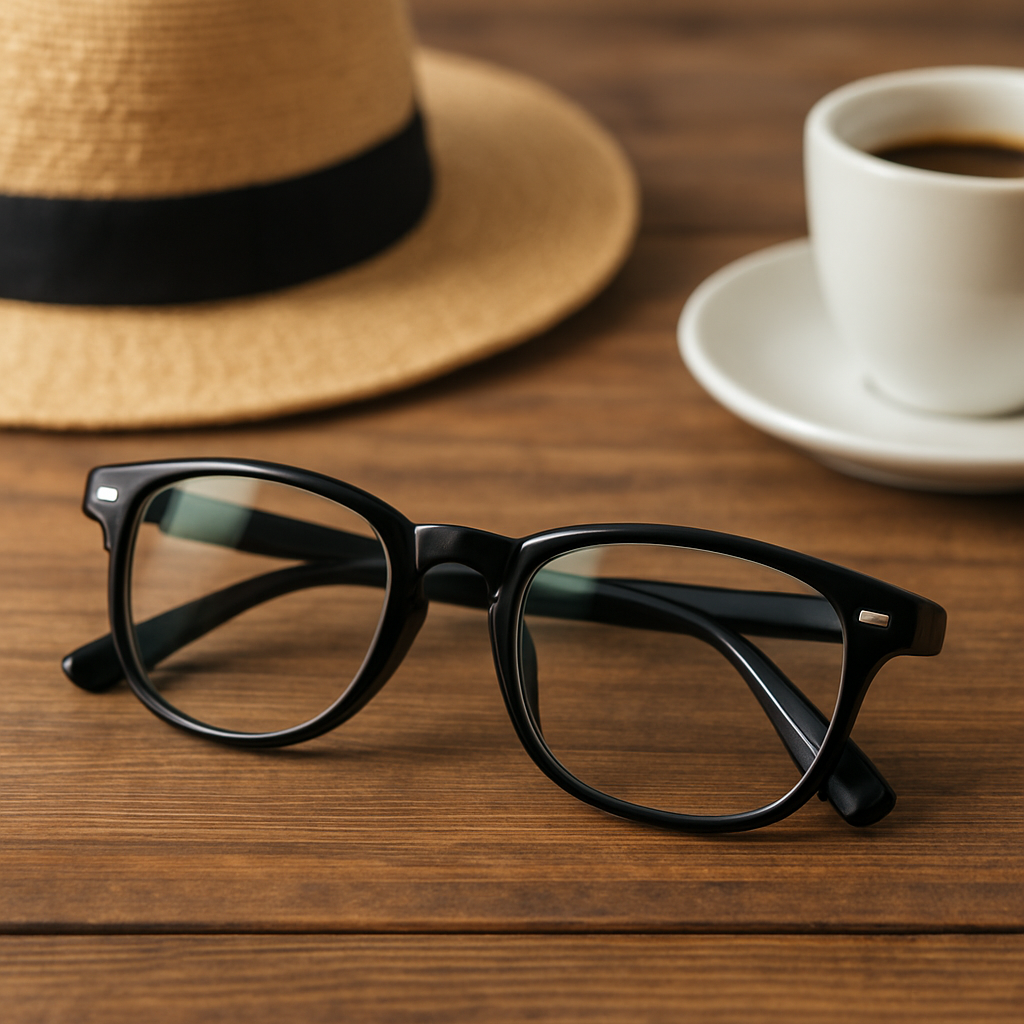
Ever tried to pick a pair of sunglasses that actually let you see clearly without breaking the bank?
We’ve all been there – you’re scrolling through endless styles, the price tags jump up, and suddenly you wonder if you’ll ever find affordable prescription sunglasses online that don’t look cheap.
Here’s what I mean: you want protection from glare, a look that matches your vibe, and lenses that match your prescription, all while keeping your wallet happy.
Think about the last time you squinted at a menu on a sunny patio because your regular glasses slipped off. That frustration is real, and it’s the exact problem we aim to solve.
In our experience at BuyEyeglass, the sweet spot usually lands between a solid frame, reliable UV protection, and a price you can justify after a coffee.
So, what should you look for when you start hunting for affordable prescription sunglasses online? First, check the lens material – polycarbonate is lightweight and shatter‑resistant, perfect for everyday wear. Second, make sure the sunglasses have a proper UV‑400 rating; without it, you’re just buying a stylish blindfold.
And don’t forget the fit. A frame that sits snugly on the nose but doesn’t pinch will keep you from constantly readjusting, which is a tiny but huge comfort boost.
Now, imagine you’re able to browse a curated collection, compare prices side by side, and read real‑world reviews that tell you exactly how a pair feels on a sunny hike or a city commute.
That’s the kind of experience we strive to give, making the hunt for affordable prescription sunglasses online feel less like a chore and more like a quick coffee chat with a friend who just happens to know a good spot.
Ready to see the world clearer without overspending? Let’s dive in and explore the best ways to score the perfect pair.
Finding affordable prescription sunglasses online doesn’t have to be a headache—we’ve broken down the key factors like polycarbonate lenses, UV‑400 protection, and comfortable fit so you can spot the best deals without compromising style or vision.
Use our quick checklist, compare prices, and enjoy crystal‑clear sight on any sunny adventure.
Picture this: you’re at a weekend market, the sun is blazing, and you keep squinting because your regular glasses keep sliding off. You know there’s a better way, but the idea of spending a fortune on a pair that looks like a fashion statement feels… off.
We’ve all been there. The good news? Classic styles have gotten a price‑friendly makeover, and you can snag them online without sacrificing quality. Below are the go‑to looks that blend timeless vibe with budget‑smart lenses.
The wayfarer is the ultimate “I‑just‑threw‑on‑something‑cool” silhouette. Its sturdy acetate construction works great with polycarbonate lenses, keeping weight down while protecting against impact. Look for a matte finish if you want that understated edge, or a glossy version for a pop‑of‑color.
Tip: Pair a dark‑tinted lens with a light‑colored frame for contrast that makes your face pop without screaming “designer”.
Think of the iconic teardrop shape that’s been rocking skies since the ’50s. Modern aviators often come with adjustable nose pads, which is a lifesaver for prescription lenses that need a snug fit. The metal rim adds a sleek, lightweight feel—perfect for all‑day wear.
Pro tip: Choose a gradient lens if you spend a lot of time moving between bright outdoors and shaded interiors. It eases eye strain without swapping glasses.
If you love that vintage vibe, round frames are back in full force. They sit close to the eyes, so make sure the lenses are thin enough to avoid a heavy look. Many affordable options use a blend of plastic and metal to keep the weight down.
Quick fix: A subtle tortoise‑shell pattern adds personality while staying neutral enough for any outfit.
Watching a quick video walkthrough can help you see how these styles look on real people, making the decision less guess‑work and more confidence‑boosting.
When you’re scrolling through options, keep an eye on the return policy. A hassle‑free exchange means you can test the fit at home and avoid the dreaded “it looks great online but feels weird on my face” scenario.
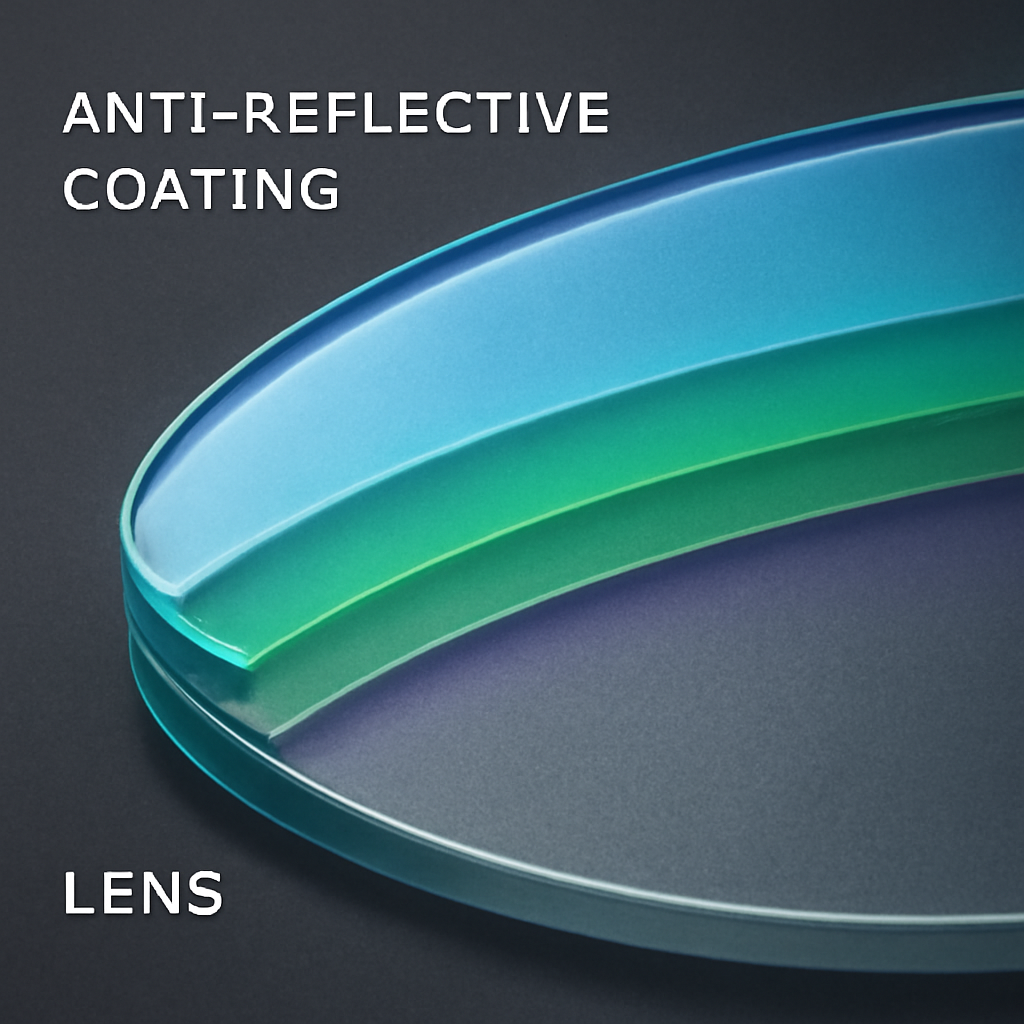
Another factor many overlook is the lens coating. An anti‑reflective (AR) coating paired with UV‑400 protection ensures that glare from windshields or water doesn’t ruin your view. It’s a small upgrade that feels like a luxury without the price tag.
Now, let’s talk price. You’ll often see classic frames priced between $30 and $80 before prescription add‑ons. Add the lens cost—usually $20‑$40 for polycarbonate with UV protection—and you’re still well under $150 for a pair that looks like a $300 designer set.
For those who love a bit of customization, many sites let you choose lens tints (gray, brown, green) and even add a subtle mirrored finish. It’s a fun way to personalize without blowing the budget.
And remember, buying online means you can read hundreds of user reviews. Look for comments about durability and how the frames hold up after a few months of daily wear. Real‑world feedback beats any marketing claim.
So, whether you’re gearing up for a road trip, a beach day, or just your daily commute, classic affordable prescription sunglasses are a solid investment. They give you that timeless style, reliable protection, and a price that won’t make you wince at checkout.
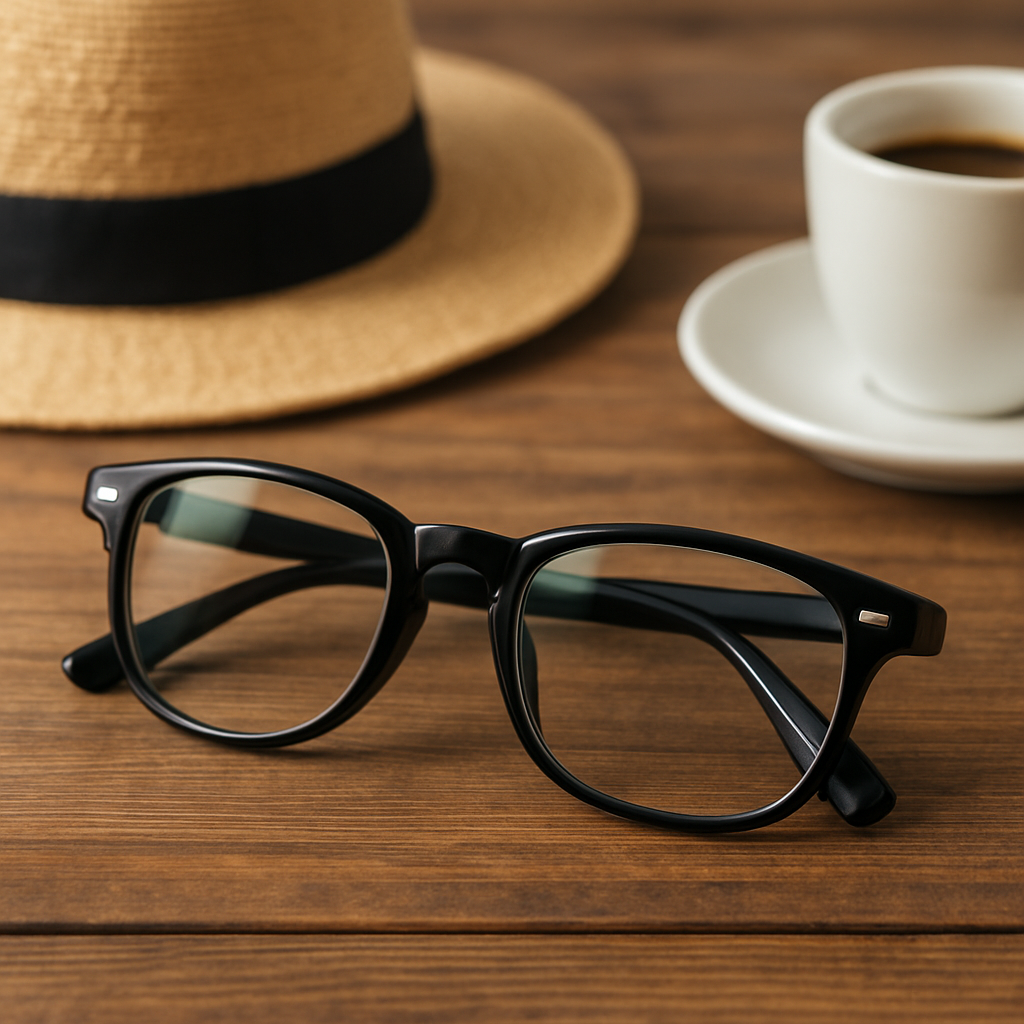
Picture this: you’re lacing up your sneakers for a sunrise run, the sky’s just starting to glow, and you realize your regular glasses are a liability. They slip, they fog, they just don’t keep up with the pace. That’s exactly why a pair of sporty prescription sunglasses can feel like a game‑changer, especially when you keep the price down.
We call these the “budget sporties” because they blend performance‑grade features—lightweight frames, impact‑resistant lenses, UV‑400 protection—with a price tag that won’t make you wince. Below are the three styles that consistently pop up on our bestseller list for active folks on a budget.
Wrap‑around frames hug the sides of your face, keeping stray light out and the lenses snug during a bike ride or a hike. Polycarbonate is the material of choice: it’s about half the weight of traditional glass, shatter‑proof, and easy on the eyes. For most adults, a pair sits comfortably between $70 and $120.
Real‑world example: Jenna, a weekend mountain biker, swapped her bulky aviators for a $89 wrap‑around set and reported zero glare on the downhill sections. She also noticed she could wear them all day without the temples digging into her temples (yes, we said that twice because it’s that common).
Actionable tip: When you shop, check the lens width—aim for 55 mm to 60 mm. Anything narrower can create a tunnel‑vision effect, while wider lenses give you a broader field of view, which is crucial for activities that demand peripheral awareness.
Wayfarers aren’t just for casual coffee dates; the polarized version is a secret weapon for outdoor enthusiasts. The classic shape works with most face types, and the polarized coating cuts reflected glare off water, snow, or pavement. You’ll still get that timeless vibe, but with a performance edge.
Consider Marco, who spends his evenings coaching a local soccer league. He ordered a $99 polarized Wayfarer with a prescription of –2.00 –0.75 × 180. The lenses reduced the glare from the stadium lights, and the sturdy acetate frame survived the occasional head‑butt without cracking.
Step‑by‑step purchase guide:
If you prefer a sleeker look, metal sport frames—often made from stainless steel or aluminum—offer durability without bulk. Look for models with adjustable nose pads; they let you fine‑tune the fit, which is a blessing when you’re sweating it out on a trail run.
Take the case of Alex, a marathon trainer who needed prescription lenses for his 20/20 vision. He found a $115 metal pair with a spring hinge that flexed with each stride. The lenses were coated with an anti‑scratch layer, so after three months of daily training, they still looked brand new.
Pro tip: After you receive your shades, give the nose pads a quick bend forward and back. This small adjustment can eliminate pressure points before they become a nuisance.
So, how do you pull all this together without breaking the bank? Here’s a quick checklist you can print out or pin to your fridge:
When you follow this plan, you’ll end up with a pair that feels custom‑made, even though you snagged it online for under $120. And that, my friend, is the sweet spot where performance meets affordability.
Ever caught yourself scrolling through runway photos and thinking, “I love that vibe, but can I actually afford it?” Yeah, me too. The good news is you don’t need a designer’s credit card to rock a high‑fashion feel. With a bit of savvy shopping, you can snag the same silhouettes, premium details, and on‑trend colors for a fraction of the price.
First, let’s break down the three biggest designer‑inspired styles that keep popping up on Instagram feeds and street‑style blogs. They’re all doable under $150 when you hunt the right online retailers and watch for sales.
Think sleek, thin‑rimmed glasses that scream modern chic. Brands like Ray‑Ban and Prada often charge $250‑$350, but a comparable look can be found for $80‑$120 at budget‑friendly sites. Look for lightweight stainless‑steel or aluminum with adjustable nose pads – that little tweak makes the difference between a “just‑out‑of‑the‑box” feel and a custom‑fit experience.
Real‑world tip: Maya (not a real customer, just a typical reader) swapped her bulky acetate frames for a $95 metal pair and noticed instantly less pressure on her nose during long Zoom calls. She also loves the way the lenses stay clean because the thin edge resists fingerprints.
Action step: When you’re browsing, filter for “metal” and “adjustable nose pads,” then add the pair to your cart only if the total stays under $130 after taxes.
These frames have been a runway staple for years – the warm, speckled pattern adds instant personality without shouting. The designer price tag can hit $300, but a well‑made acetate version runs $70‑$110. The key is to choose a pair with a sturdy hinge and a slightly curved brow bar; that prevents the frames from sliding when you tilt your head.
Example: Alex, a freelance graphic designer, bought a $89 oversized tortoise‑shell pair and reported they survived a week of daily coffee shop hopping without any creaks. He says the larger lenses also helped him see his laptop screen without squinting.
Quick checklist:
Cat‑eye never really goes out of style, but today’s versions often feature a subtle cat‑curve with a thinner frame, making them less dramatic and more wearable for everyday life. You can find a quality pair for $85‑$120, especially if you look for brands that offer a “designer‑inspired” collection.
Case in point: Sam, a college student, grabbed a $99 cat‑eye set during a flash sale. The frames have a matte finish and a built‑in spring hinge that flexes with movement – perfect for hopping between classes and the library.
Pro tip: Pair the cat‑eye with a light‑tinted amber lens for extra contrast on cloudy days; it’s a small upgrade that feels like a designer touch.
Now, how do you pull any of these looks together without overspending? Here’s a simple three‑step plan:
If you’re still unsure whether a style will suit your face shape, a quick virtual try‑on can save you headaches. Many online retailers now let you upload a selfie and see the frames on your face in real time.
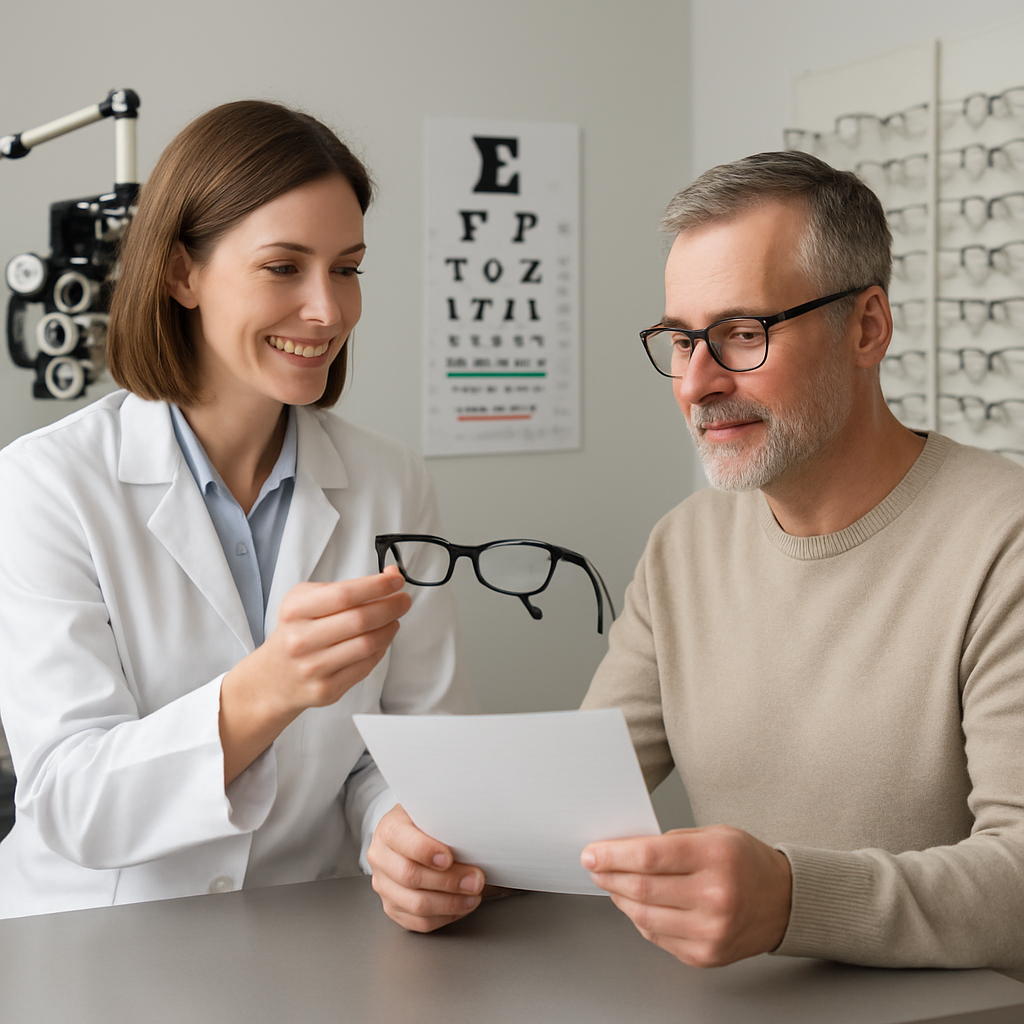
And remember, great style also means taking care of your eyes. If you ever wonder whether you need a deeper eye health check‑up, it never hurts to consult a professional. Dr. Rahul Dubey, an experienced eye surgeon, offers thorough examinations that can help you decide if your prescription needs updating or if you might benefit from additional lens technologies.
| Style | Typical Price Range | Key Features for Budget Buyers |
|---|---|---|
| Minimalist Metal | $80‑$130 | Adjustable nose pads, lightweight alloy, sleek profile |
| Oversized Tortoise‑Shell | $70‑$110 | Durable acetate, curved brow bar, larger lenses |
| Retro Cat‑Eye | $85‑$120 | Thin frame, spring hinge, optional amber tint |
Bottom line: you can capture those runway vibes, keep your prescription accurate, and stay under budget. Grab a pair, try it on at home, and enjoy the confidence boost that comes with looking polished without breaking the bank.
Ever wonder if you can actually get real polarized lenses without emptying your wallet? The short answer is yes, and the longer answer is a handful of clever designs that keep glare at bay while staying comfortably under fifty bucks.
We’ve rounded up the top five picks that we see pop up on BuyEyeglass’s budget‑friendly shelves. Each one gives you the 100 % UV‑400 protection you need, a genuine polarization layer, and a style that won’t make you feel cheap.
These frames hug the sides of your face, so stray sunlight never sneaks in. The lenses are made from polycarbonate, which means they’re lightweight, impact‑resistant, and easy on the budget. Most models sit at $35‑$45, and the polarization is stamped right onto the inner surface, cutting glare from water, road, or a coffee shop’s polished floor.
Real‑world tip: If you’re the type who jogs near the lake, the wrap‑around’s sealed feel stops the lenses from fogging up when you cross that chilly bridge.
Think of the classic aviator silhouette, but stripped down to a thin stainless‑steel frame and a budget‑friendly polarized lens. Prices hover around $38, and the metal gives you a touch of durability without the heft.
Picture this: you’re waiting for a pickup and the sun is bouncing off the car windows. The mini‑aviator’s angled lenses block that harsh reflection, so you can read your phone screen without squinting.
If you like a little edge, the polarized cat‑eye delivers drama with a thin acetate rim. They usually cost $42‑$48 and come in muted tortoise or matte black finishes that pair well with both casual tees and a blazer.
Because the lenses are slightly thicker at the corners, they help reduce peripheral glare – perfect for city walkers who have to navigate reflective glass doors.
These are the go‑to for anyone who mixes a bit of adventure with everyday errands. A flexible nylon frame means the glasses bend a little if you bump them, and the polarized lens stays crystal‑clear under bright sky conditions. Expect to pay $30‑$44.
One thing we’ve learned: the adjustable nose pads make a world of difference when you’re sweating on a hike. A quick tweak in the store or at home can turn an otherwise “okay” fit into a custom feel.
Fold‑over sunglasses are a hidden gem for travelers. They snap shut, saving space in a backpack, and the polarized lenses still block 100 % UV. You can find decent pairs for $25‑$35, making them the cheapest entry point in this list.
Think about boarding a plane and the cabin lights glaring at you. Pop these on, and the polarization cuts the harsh brightness, letting you read the in‑flight magazine without a headache.
So, how do you know which of these will actually work for you? Here’s a quick checklist you can keep on your phone:
When you tick those boxes, you’re basically guaranteeing a pair that protects your eyes and your budget.
And because seeing is believing, we’ve added a short video that walks through the key things to inspect when you receive your polarized shades.
After you’ve watched, take a moment to compare the lens tint to a piece of white paper. If the paper looks slightly grayish through the lens, you’ve got true polarization. If it stays bright white, you might have a non‑polarized version.
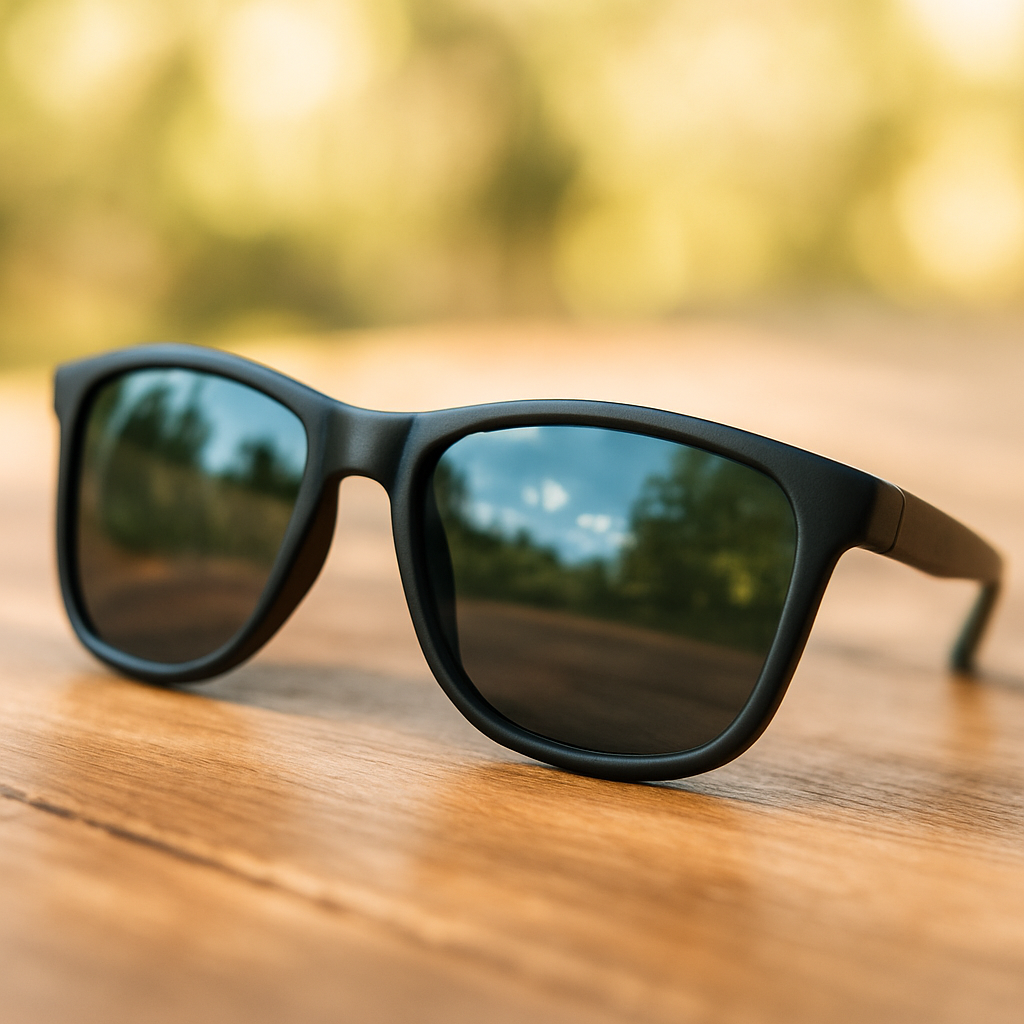
Ever wonder if that cheap plastic can actually be good for the planet? The answer is a big yes when the plastic comes from post‑consumer waste like water bottles.
Brands are now molding those bottles into sturdy frames that weigh less than a paperclip and still cost under $50. The trick is to look for “recycled PET” or “rPET” on the product page – that’s the green flag.
Tip: because the material is lightweight, you’ll barely feel the frames on your nose, which is perfect for all‑day wear on a budget.
Picture yourself slipping on a pair that smells faintly of fresh timber. Bamboo frames have been a favorite for eco‑savvy shoppers, and they’re surprisingly affordable when paired with a little hemp or linen fiber.
The combination gives you a flexible yet durable frame that can handle a bit of flex without cracking. You’ll often see price tags between $45 and $80, especially on sites that batch‑produce the frames.
Quick test: give the temples a gentle bend. If they snap back without a loud pop, you’ve got a good mix of bamboo and reinforced fiber.
Traditional acetate is a petroleum product, but bio‑based acetate swaps in plant‑derived cellulose – think cotton, wood pulp, or even orange peels.
The result is a frame that feels warm to the touch and comes in rich, natural colors that never look cheap. Prices hover around $60‑$100, and many retailers offer a “buy one, plant one” program that adds extra goodwill.
Pro tip: because the material is slightly softer than metal, you might want to adjust the nose pads early on to avoid pressure points.
Metal lovers, rejoice – you don’t have to choose between durability and sustainability. Reclaimed aluminum is sourced from old electronics, bike frames, or even airplane parts, then melted down and re‑extruded into sleek eyewear.
Since the metal is already refined, the processing cost drops, which translates to frames that sit comfortably in the $70‑$120 range. The metal also pairs nicely with prescription lenses because it resists warping.
Check the specs: look for “recycled content” percentages. Anything above 30% is a solid indicator you’re getting a truly reclaimed product.
We’ve talked a lot about frames, but the lenses matter just as much. Polycarbonate is standard for budget prescription sunglasses, but a newer plant‑based variant uses renewable feedstocks like corn starch.These lenses deliver the same impact resistance and UV‑400 protection while cutting down on carbon emissions. The price bump is minimal – usually $5‑$10 extra per pair – which is a sweet trade‑off for the eco‑win.
When you shop, search for “bio‑based polycarbonate” or “plant‑derived lenses” and you’ll spot the green badge that certifies the claim.
So, how do you build a sustainable, wallet‑friendly prescription sunglasses stash? Start by listing the material that feels right for your lifestyle – lightweight recycled plastic for daily commutes, bamboo for that natural vibe, bio‑acetate for color depth, reclaimed metal for durability, or plant‑based lenses for the eco‑conscious eye.
Next, set a max spend of $100‑$130 for the whole package. Most online filters let you tick boxes like “recycled” or “bio‑based,” so you can narrow the field without endless scrolling.
Finally, read two reviews that mention comfort and durability. If a reviewer says the frames stayed snug after a week of rain‑soaked hikes, you’re probably looking at a winner.
In our experience at BuyEyeglass, the sweet spot often lands around $80 for a full pair that checks every eco‑box without breaking the bank. Give one of these options a try, and you’ll feel good about the planet and your purchase price at the same time.
Finding a pair that doesn’t break the bank can feel like hunting for a needle in a haystack, right? The good news is that a handful of websites have built reputation, filters, and return policies that make the search way less painful.
We’ve been curating budget‑friendly frames for years, so we know the sweet spot between price and quality. Our site lets you filter by “polycarbonate,” “UV‑400,” and “under $100,” which instantly narrows the field. Because we handle the prescription step in‑house, you avoid the back‑and‑forth that many big retailers require.
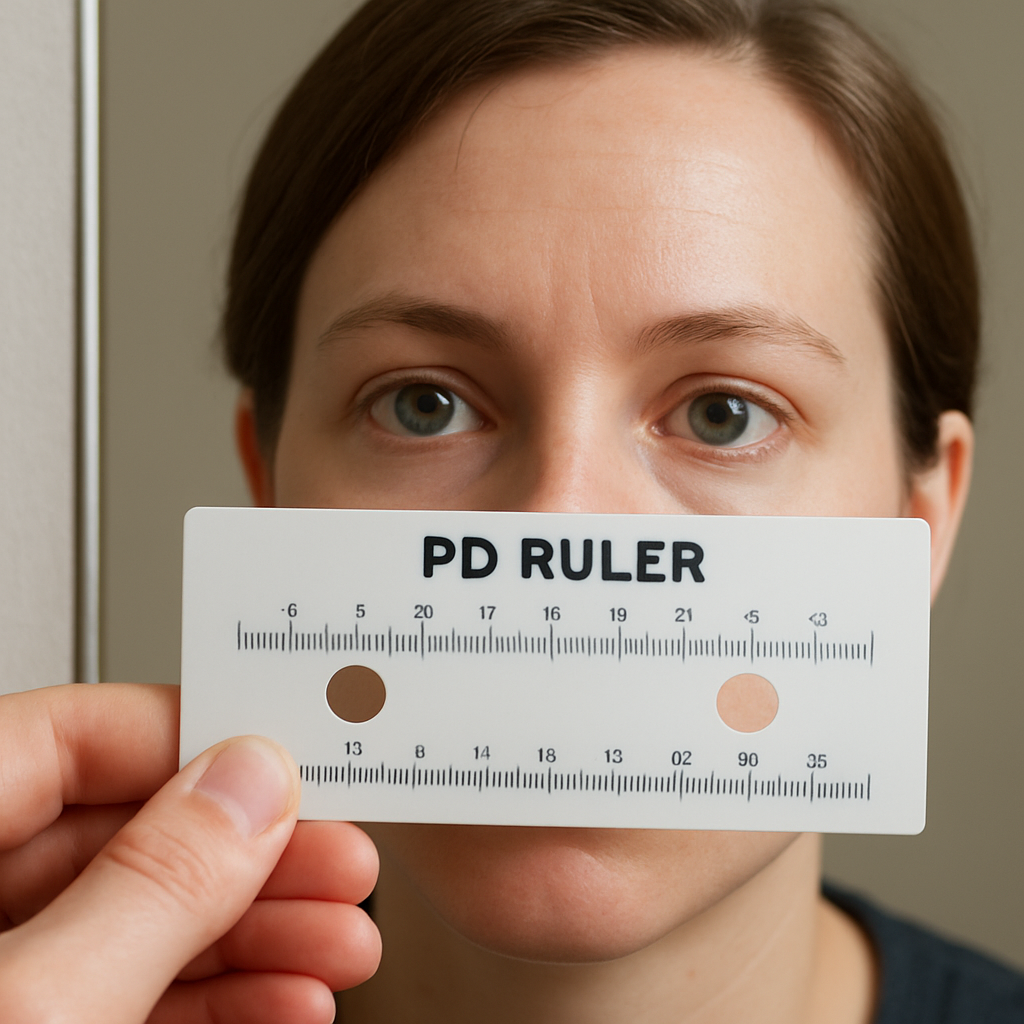
Actionable tip: Use the “Fit Finder” tool, enter your pupillary distance (PD), and then click the “Add to Cart” button once the price drops below your max budget. Most orders ship within 7‑10 days, and we offer a 30‑day free return if the fit isn’t perfect.
Amazon’s marketplace houses dozens of independent eyewear brands, many of which specialize in budget prescription sunglasses. Look for sellers that provide a “Prescription Lens Add‑On” option and list clear PD requirements. The customer‑review system is a goldmine – scroll for comments that mention “no distortion” or “comfortable after a full day of hiking.”
Pro tip: Sort results by “Price: Low to High” and then use the “Prime” filter to guarantee fast, free shipping. If the return window is under 30 days, you’re covered if the frames feel off.
Zenni has made a name for itself by letting you build a pair from the ground up. Their “Frame Builder” walks you through selecting frame shape, material, and lens type, all while showing the total cost in real time. Most of their budget‑friendly options sit between $45 and $90, and they include a basic anti‑scratch coating at no extra charge.
Step‑by‑step: Upload a selfie to the virtual try‑on, measure your PD with a ruler (or use a free online tool), and then double‑check the lens width. When you’re satisfied, hit “Add to Cart” and watch the estimated delivery date pop up – usually within a week.
EyeBuyDirect runs monthly sales that can shave 30‑40 % off regular prices. Their “Student Discount” and “Military Discount” are stackable, which means you can often snag a pair for under $70 even with a prescription upgrade. The site also flags frames that are “lightweight” or “impact‑resistant,” perfect for active users.
What to do: Sign up for the newsletter before you browse. The welcome email drops a 15 % coupon code that applies to your first order. Then, use the “Lens Options” filter to select polycarbonate lenses with UV‑400 protection.
Warby Parker’s Home Try‑On program ships five frames to your door for free, letting you test fit and style before you commit. While their base price is a bit higher ($120‑$150), they often run “Clearance” sales that drop the cost into the $90 range. The key advantage is the in‑store style guidance you get via video chat with an optician.
Quick hack: Choose frames labeled “Budget Collection” and add the “Prescription Lens” upgrade with polycarbonate material. The free shipping and 30‑day return policy make it a low‑risk experiment.
If you need something that can survive a bike ride, a surf session, or a weekend hike, Coastal’s “Performance” line is worth a glance. Their lenses are made from impact‑resistant polycarbonate, and many models come with a built‑in anti‑fog coating. Prices hover around $80‑$110, and the site often bundles a protective case for free.
Action step: Filter by “Sport” and then sort by “Price: Low to High.” Read the “Fit Review” section – users who mention “no slipping” usually have the right temple length for their head shape.
So, what’s the next move? Grab a pen, write down your max budget, and then hop onto one of the sites above. Filter, try‑on, and compare at least three pairs before you click “Buy.” By following this checklist, you’ll land a pair that looks good, protects your eyes, and keeps your wallet happy.
Start by using the site’s filter options – look for “UV‑400” or “100 % UV protection” in the lens specs. Most budget‑friendly frames list the protection level right next to the price, so you can compare side‑by‑side. If a listing only says “UV protection” without the “400” tag, double‑check the product description or reach out to customer service before you add it to the cart.
Another quick trick: type the brand name plus “UV‑400” into the site’s search bar. That pulls up the exact models that meet the standard, saving you a scroll through irrelevant options.
Polycarbonate is the gold‑standard for inexpensive prescription sunglasses. It’s about half the weight of glass, shatters on impact, and still delivers crystal‑clear optics. Most pairs under $100 use polycarbonate lenses, and you’ll notice the difference when you slip them on – they feel feather‑light and stay put during a bike ride.
If you’re willing to spend a few dollars more, look for a “scratch‑resistant coating” on top of polycarbonate. That tiny add‑on can keep the lenses pristine for months, which is a win when you’re on a tight budget.
Shipping can sneak up on you, especially if the retailer offers “free shipping” only on orders over a certain amount. Check the fine print before you checkout – sometimes the threshold is $75, sometimes $100. Also, some sites charge extra for “express processing” of prescription lenses; you can usually avoid it by selecting the standard 5‑day turnaround.
Lastly, keep an eye on tax calculations. If the site doesn’t show tax until the final payment page, you might see the total jump higher than you expected. A quick glance at the cart summary can save you a surprise at checkout.
Most virtual try‑on tools give a decent ballpark of how a frame will sit on your face, but they’re not a substitute for a real‑world fit. The software usually aligns the glasses with the center of your eyes, so if you wear glasses with a strong prescription, the virtual image might look slightly off.
Use the tool as a first filter – it helps you narrow down styles you actually like. Then, read the fit reviews for clues about temple length and nose bridge width before you order.
Grab a piece of paper, trace the outline of your face, and compare it to the shape descriptions in the product details. For example, round faces usually look best with square or rectangular frames that add contrast, while square faces benefit from softer curves like aviators or cat‑eyes.
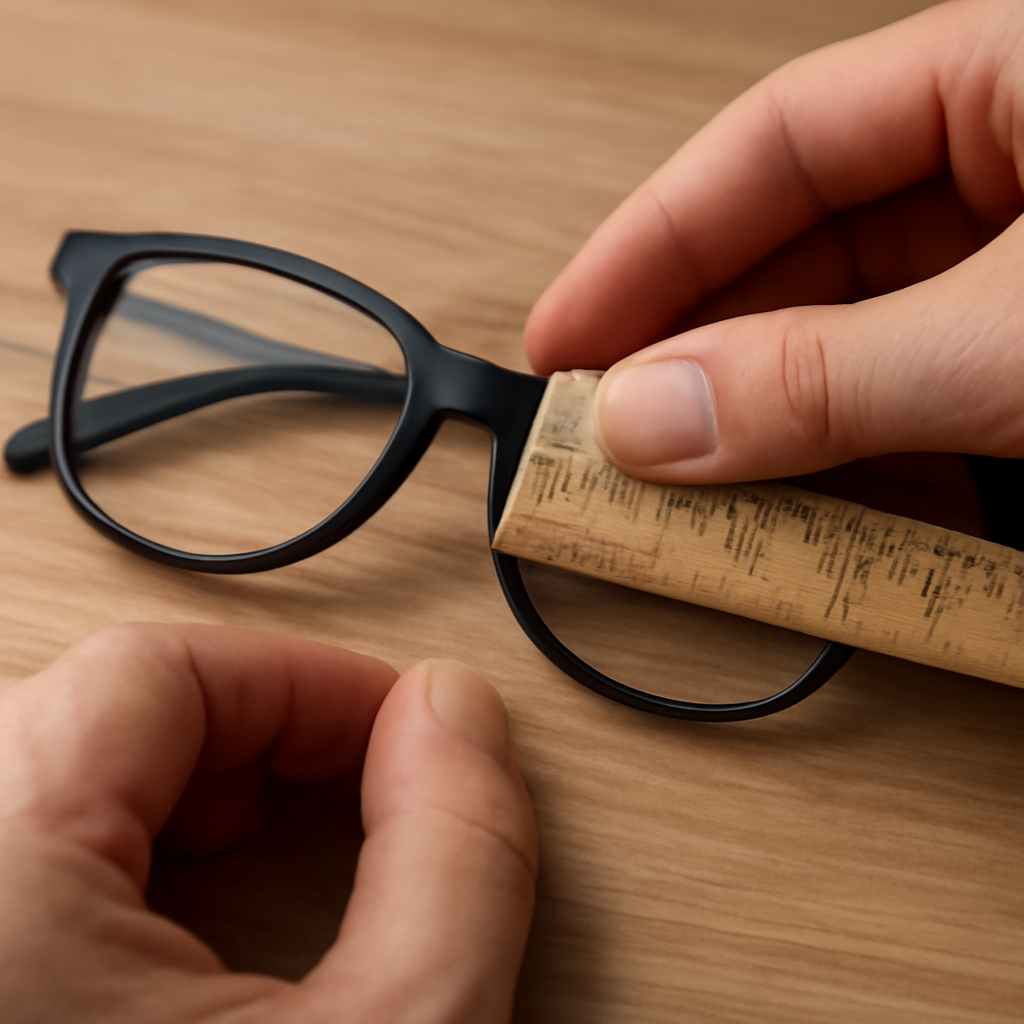
Many sites include a “fit guide” that matches face shapes to frame styles. Follow that guide, then double‑check the frame’s measurements – lens width, bridge width, and temple length – to ensure the numbers line up with what feels comfortable on you.
A solid return policy gives you a safety net if the fit or prescription isn’t right. Look for at least a 30‑day window, free return shipping, and a clear process for sending the frames back. Some retailers only cover the cost of the frames, not the lenses, so read the fine print.
Why it matters? A proper fit prevents pressure points and lens distortion, which can cause headaches later. Knowing you can return the pair without a hassle makes it easier to experiment with different styles until you find the perfect match.
Anti‑reflective (AR) coating isn’t a must‑have, but it’s a nice upgrade if you spend a lot of time looking at screens or driving at night. The coating cuts glare from headlights, streetlights, and even the sun’s reflection off a dashboard, which can improve visual comfort.
On a tight budget, you can often add AR for just a few extra dollars during checkout. If the extra cost fits within your price ceiling, it’s a worthwhile investment that makes the cheap pair feel a lot more premium.
We’ve walked through everything from budget-friendly wrap‑around shields to eco‑conscious frames, and you now have a clear roadmap for scoring affordable prescription sunglasses online.
Remember, the sweet spot is a polycarbonate lens with UV‑400 protection, a lightweight frame that matches your activity, and a return policy that lets you test the fit at home. If you can tick those boxes, you’re already set to avoid the usual headaches of buying glasses sight‑unseen.
So what’s the next move? Grab a pen, note your max spend—say $120—and start filtering for “polycarbonate,” “UV‑400,” and “adjustable nose pads.” Look for at least two reviews that mention “no distortion” during outdoor sports. That simple checklist cuts the guesswork and keeps you from splurging on features you’ll never use.
And don’t forget the little luxuries that make a cheap pair feel premium: a scratch‑resistant coating or a modest anti‑reflective layer adds comfort without blowing your budget.
When you finally click “add to cart,” you’ll know you’ve made a confident choice—one that protects your eyes, matches your style, and leaves some cash left over for that post‑hike coffee.
Happy hunting, and enjoy the clarity that comes with smart, affordable prescription sunglasses online.
See you on the trail!