Ever found yourself squinting the moment you walk from a sunny sidewalk into a dimly lit café, wishing your glasses could just… adapt?
That feeling is what drives most people to ask, “what are photochromic lenses?” In plain terms, they’re smart lenses that darken when UV light hits them and fade back when you’re indoors.
Think of them as chameleons for your eyes. One minute you’ve got clear, crisp vision for reading a menu, and the next they’ve turned a gentle shade to protect you from glare on the highway.
But why does this matter to you? If you’re someone who’s constantly on the move—running errands, picking up the kids, or hopping between meetings—you’re probably juggling a pair of prescription glasses and a separate pair of sunglasses.
Imagine ditching that extra bag and just sliding on one pair that does it all. That’s the core promise of photochromic lenses: convenience without sacrificing style.
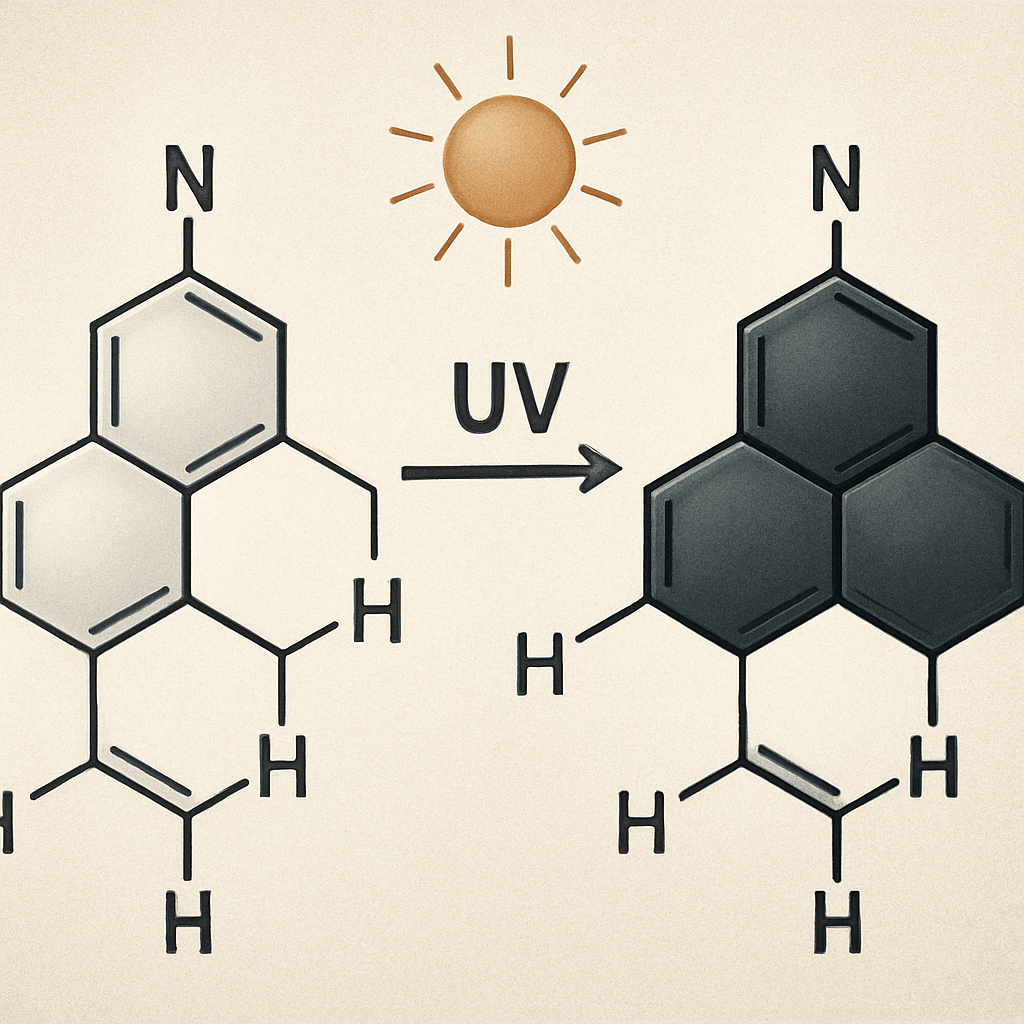
From a technical side, the magic lies in special molecules embedded in the lens material. When ultraviolet rays strike, they trigger a chemical reaction that deepens the tint. Once the UV disappears, the reaction reverses, and the lenses clear up again.
It’s not just about darkness; the transition speed matters too. Modern lenses can go from clear to tinted in under a minute, which feels almost instantaneous when you’re stepping outside.
And the comfort factor? Many users report less eye strain because the lenses continuously adjust, reducing the need to squint or constantly swap eyewear.
Of course, there are a few things to keep in mind. Photochromic lenses react to UV, so they might stay a bit lighter inside cars where UV is filtered by the windshield.
Also, the level of darkness can vary by brand, so you might want to test a few options to see which shade feels right for your daily routine.
At BuyEyeglass, we’ve seen a steady rise in customers opting for these lenses because they simplify life—especially for families juggling multiple prescriptions.
So, if you’ve ever wished for a single pair that’s ready for sunrise, office lighting, and everything in between, photochromic lenses could be the answer.
Ready to explore which style fits your face and prescription? Let’s dive deeper into how they work, what to look for, and how to choose the perfect pair.
Photochromic lenses automatically darken in sunlight and clear indoors, giving you seamless vision without swapping glasses.
They reduce eye strain, adapt quickly, and work for everyday activities—from morning commutes to weekend outings—making a single pair enough for any lighting condition, plus they’re compatible with most prescription styles, so you can stay stylish while protecting your eyes.
Ever wonder what actually happens inside that tiny piece of plastic when you step out into bright sunshine? It’s not magic – it’s chemistry doing its thing, and we’re about to break it down in plain English.
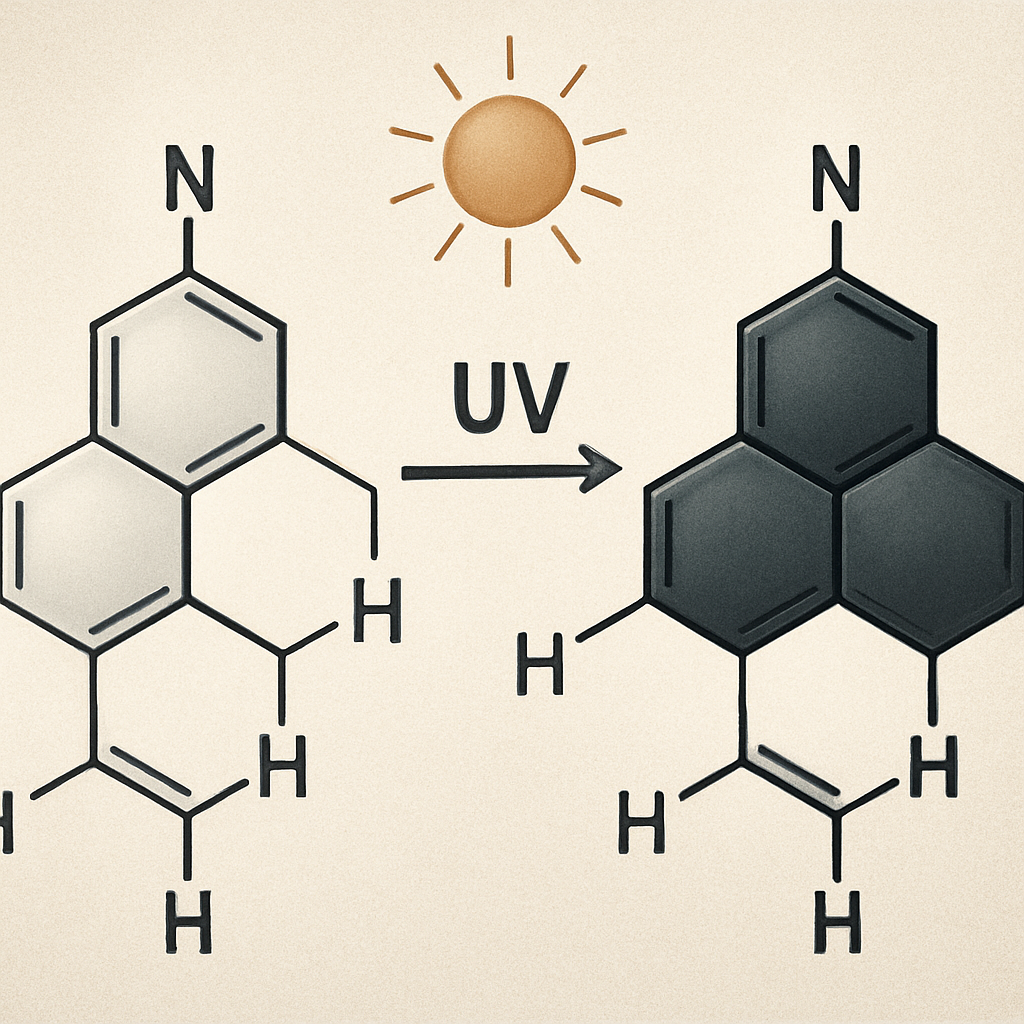
At the heart of every photochromic lens are special molecules called photo‑chromophores. When ultraviolet (UV) light hits them, these molecules rearrange their structure and absorb more visible light, which makes the lens look darker. As soon as the UV disappears – say you walk back indoors – the molecules snap back to their original shape, letting light pass through again.
Think of it like a mood ring for your eyes. The reaction isn’t just a simple on/off switch; it’s a gradient. That’s why you’ll notice the lenses get a bit darker the longer you stay under direct sun, and they gradually lighten as the sun moves lower in the sky.
Speed matters, right? Modern photochromic technology uses newer generations of these molecules that react in under a minute, often in just a few seconds. That’s why you don’t have to wait forever for your glasses to adapt when you dash from a car to a coffee shop.
Temperature also plays a role. Cold days tend to make the lenses darken faster and stay darker longer, while hot weather can slow the reaction. It’s the same principle that makes a window tint feel different on a scorching afternoon.
Now, you might be thinking, “Will my car’s windshield block the effect?” Most windshields have UV‑filtering lamination, so the lenses stay mostly clear inside a vehicle. If you need extra protection while driving, you can pair photochromics with a dedicated pair of polarized sunglasses – a combo many of our customers love.
Here’s a quick checklist to see if photochromic lenses fit your lifestyle:
If you answered “yes” to most of those, you’re probably a good match. And if you’re curious about specific frames that work great with these lenses, check out the RX5415D Eyeglasses – they’re designed to accommodate a range of lens technologies, including photochromic options.
Want to see the science in action? Below is a short video that animates the molecular shift when UV hits the lens.
Notice how the tint deepens gradually – that’s the photo‑chromophores doing their job.
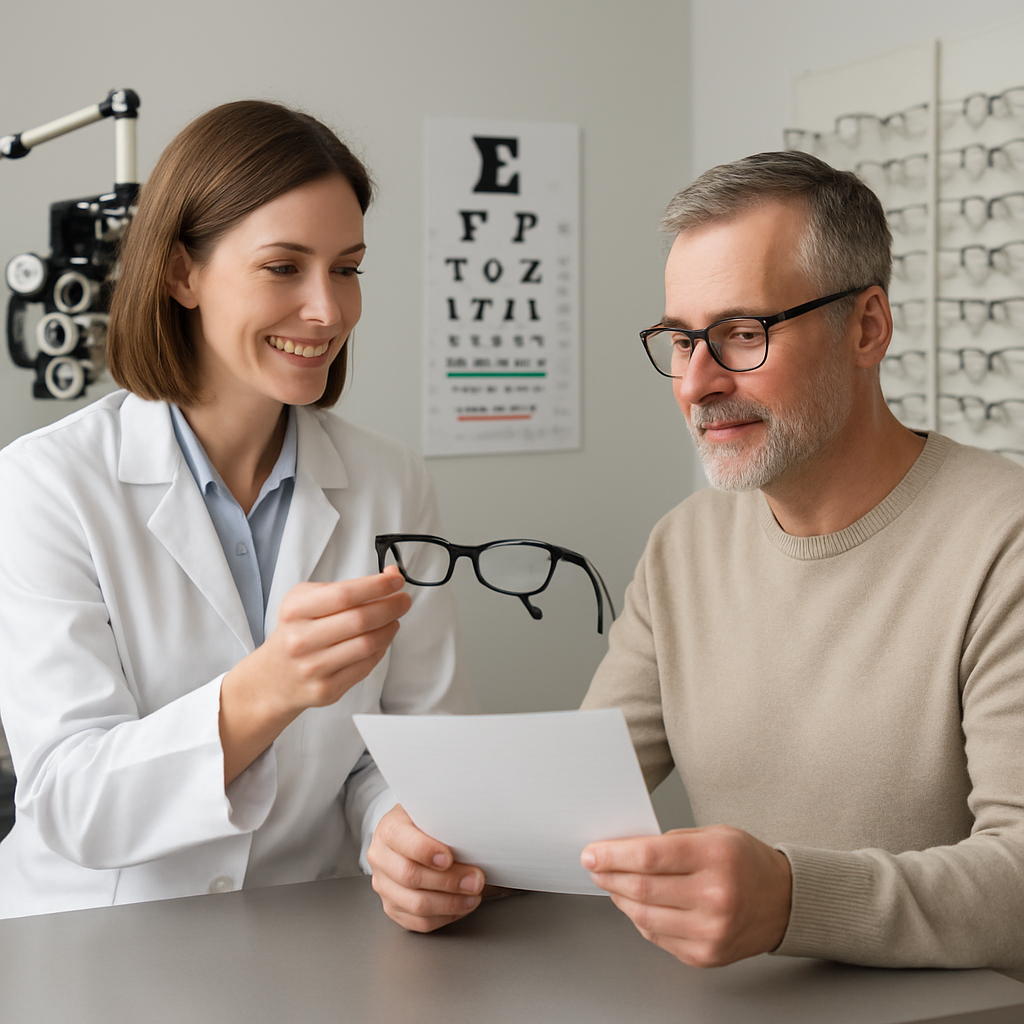
When you’re ready to make the switch, it’s wise to get a professional opinion. An eye surgeon like Dr Rahul Dubey can assess whether your prescription and eye health are compatible with photochromic lenses, especially if you have specific conditions like cataracts or macular issues.
And here’s a tip you might not expect: budgeting for new lenses can be smoother if you bundle them with other financial plans. For example, WhipSmart helps Australians streamline monthly expenses, which can free up cash flow for premium eyewear upgrades.
Bottom line: photochromic lenses work by harnessing UV‑responsive molecules that darken on demand, offering seamless vision transitions with minimal effort. Whether you’re a commuter, a parent juggling school runs, or just someone who hates swapping glasses, these lenses can simplify your day.
When you start looking at the marketplace, “photochromic” isn’t a one‑size‑fits‑all label. There’s a whole family of lenses, each built for a different lifestyle, frame shape, or even temperature.
Glass lenses were the pioneers back in 1966, when Corning first embedded silver‑halide crystals into a solid pane. They still offer the sharpest optics you can get, and the tint change is pretty consistent from edge to centre. The downside? They’re heavier, so they feel a bit like carrying a tiny window on your face. If you love the vintage vibe of a sturdy pair and don’t mind the extra gram‑weight, glass can be a great choice.
Most everyday wearers end up with polycarbonate. It’s feather‑light, shatter‑resistant, and works well with high prescriptions. The photochromic molecules sit in a plastic matrix, so the lenses darken a touch faster than glass, but they can be a bit more sensitive to temperature swings – they’ll stay a little lighter on a chilly morning.
If you’ve got a strong prescription, a high‑index material keeps the lenses thin without sacrificing the adaptive tint. The chemistry is similar to polycarbonate, but the refractive index is higher, so the lens can be half the thickness of a standard plastic pair. It’s the sweet spot for folks who want a sleek look and don’t want the lenses to bulge out of their frames.
So, which of these sounds like you? Maybe you’re an active parent who needs impact resistance, or a designer who values crystal‑clear optics for colour‑critical work.
Since the early days, brands have kept pushing the tech. Transitions® Gen 8, for example, claims a 30 % faster darkening time and can reach a Category 3 shade outdoors. That means you get a sunglasses‑level tint even on a bright summer day, yet the lenses stay almost clear inside a dim office.
For drivers, XTRActive lenses are a game‑changer. They react not only to UV but also to visible blue light, so they’ll darken behind a car windshield that blocks most UV. The result is a comfortably darker view on the road without swapping to a separate pair of sunglasses.
Another niche is the LifeRX line, which uses polycarbonate and promises a full tint in under 60 seconds. It’s a good pick if you’re constantly darting between indoor meetings and outdoor errands.
Beyond the basic gray or brown, you’ll find mirrored finishes (like Hoya’s Sensity Shine) or darker “indoor‑light” versions that stay slightly tinted under fluorescent lighting. Some lenses also bundle anti‑glare or scratch‑resistant coatings, which is handy if you’re wearing them all day.
Wondering how to spot the right combo? Look for three things: material (glass, polycarbonate, high‑index), activation speed (how fast it goes dark), and outdoor darkness level (do you need a light tint for a beach day or a deep shade for mountain hikes?).
Here’s a quick mental checklist you can run through while you’re browsing:
And if you’re still on the fence, watching a short overview can help visualise the difference. Below is a quick video that walks through the main types and what to expect.
After the video, remember that the “best” lens is the one that fits your daily rhythm. We’ve seen parents love the durability of polycarbonate XTRActive lenses, while graphic designers often pick high‑index glass for the crystal‑clear colour rendering.
For a deeper dive into the history and the full list of brands, Vision Center offers a solid overview of the evolution of photochromic lenses. Learn more about photochromic lens history
And if you’re debating between prescription sunglasses and photochromics, Fashion Eyewear breaks down the pros and cons in a handy side‑by‑side guide. Prescription sunglasses vs. photochromic lenses
Ever notice how you squint the second you step out of a dim cafe into bright sunlight? That instant glare is exactly what photochromic lenses were built to tame.
First off, they act like a tiny sunscreen for your eyes. By blocking 100 % of UVA and UVB rays, they cut down the long‑term risk of cataracts and macular degeneration. The folks at Northwest Eye point out that regular users are about half as likely to develop cataracts compared to people who stick with regular clear lenses.
So, what does that mean for you day‑to‑day? Less worry about the sun’s hidden damage, and more confidence that the lenses you’re already wearing are doing the heavy lifting.
Glare is more than an annoyance; it forces your eyes to work harder, which can lead to fatigue and headaches. Photochromic lenses automatically darken when the sun ramps up, shrinking that harsh glare in a split second. A quick survey quoted by the American Academy of Ophthalmology found that 85 % of wearers notice a drop in eye strain after switching to adaptive lenses.
Think about those long drives or afternoons at a patio coffee shop. The lenses dim just enough to keep the screen or menu legible without you having to constantly tilt your head or squint.
Imagine ditching the “glasses bag” you always carry for those extra sunglasses. With photochromic lenses, you’re essentially getting two pairs in one. That’s a real time‑saver for anyone juggling work meetings, school runs, or weekend hikes.
And if you’re a parent, you’ll love the peace of mind that comes from not having to hunt for a kid’s spare sunglasses in the backseat. The lenses adapt on the trail, then snap clear when you’re back inside the cabin.
Does it feel like magic? It’s really just chemistry, but the payoff feels pretty magical.
Because the tint is built into the lens material, there’s no extra coating that can peel or scratch off. Modern photochromic lenses are made from polycarbonate or high‑index plastics, which are already resistant to impact—a bonus for active lifestyles.
While the upfront price is a bit higher than regular clear lenses, you’re saving on a second pair of prescription sunglasses. Over a few years, that adds up, especially when you factor in the reduced risk of eye‑related health issues.
Not every brand darkens the same way. Some, like the newer generations highlighted by AAO, react faster to visible light, which helps in cars where UV is filtered out. If you spend a lot of time behind the wheel, you might want to ask your optician about those “visible‑light‑active” options.
And remember, temperature can play a role—cold mornings may keep the lenses a shade lighter, but that’s just the physics of the molecules at work.
Bottom line? Photochromic lenses give you UV protection, glare reduction, and the convenience of a single pair—all while lasting longer than a typical coating‑based sunglass add‑on.
Ready to try them? A quick consult with an eye‑care professional can match the right material and shade to your lifestyle, so you can walk from a sunny sidewalk to a dim theater without missing a beat.
Okay, you’ve decided a single pair that flips from clear to shade sounds like a life‑hack. The next question is: which photochromic lens actually fits your day‑to‑day?
Polycarbonate feels like butter on your nose, shatters like a kid’s toy, and gives you impact resistance—perfect if you’re chasing kids or a Frisbee. High‑index plastics keep the lenses thin when your prescription is strong, so you don’t end up looking like you’re wearing a mini‑window. And glass? It’s the optical gold standard, but it adds a few grams you’ll notice on a long hike.
Think about your most common activity. If you’re a parent loading backpacks, polycarbonate probably wins. If you work a desk job and need a sleek look, high‑index might be the sweet spot.
Most modern lenses start to tint in a few seconds and reach “full” shade in 30‑90 seconds. That’s the sweet spot for walking from a coffee shop to a sunny patio—you won’t be stuck squinting while the lenses catch up. If you’re constantly hopping out of cars, you might want a formulation that reacts to visible light as well, because standard UV‑only lenses stay lighter behind windshields.
One quick test at the optician’s desk can show you the speed: ask them to shine a flashlight while you watch the lenses change. If it feels sluggish, ask about “XTRActive”‑type options.
Gray tints preserve true colour, great for photographers or designers. Brown adds contrast, which many outdoor‑enthusiasts swear by on cloudy days. Some brands even offer fashion colours like green or amber if you want a statement.
Ask yourself: do you spend most of your time in bright sunlight, near water, or in the shade? A Category 3 tint (the darkest most common) is ideal for beach trips, while a lighter Category 2 works fine for city commutes.
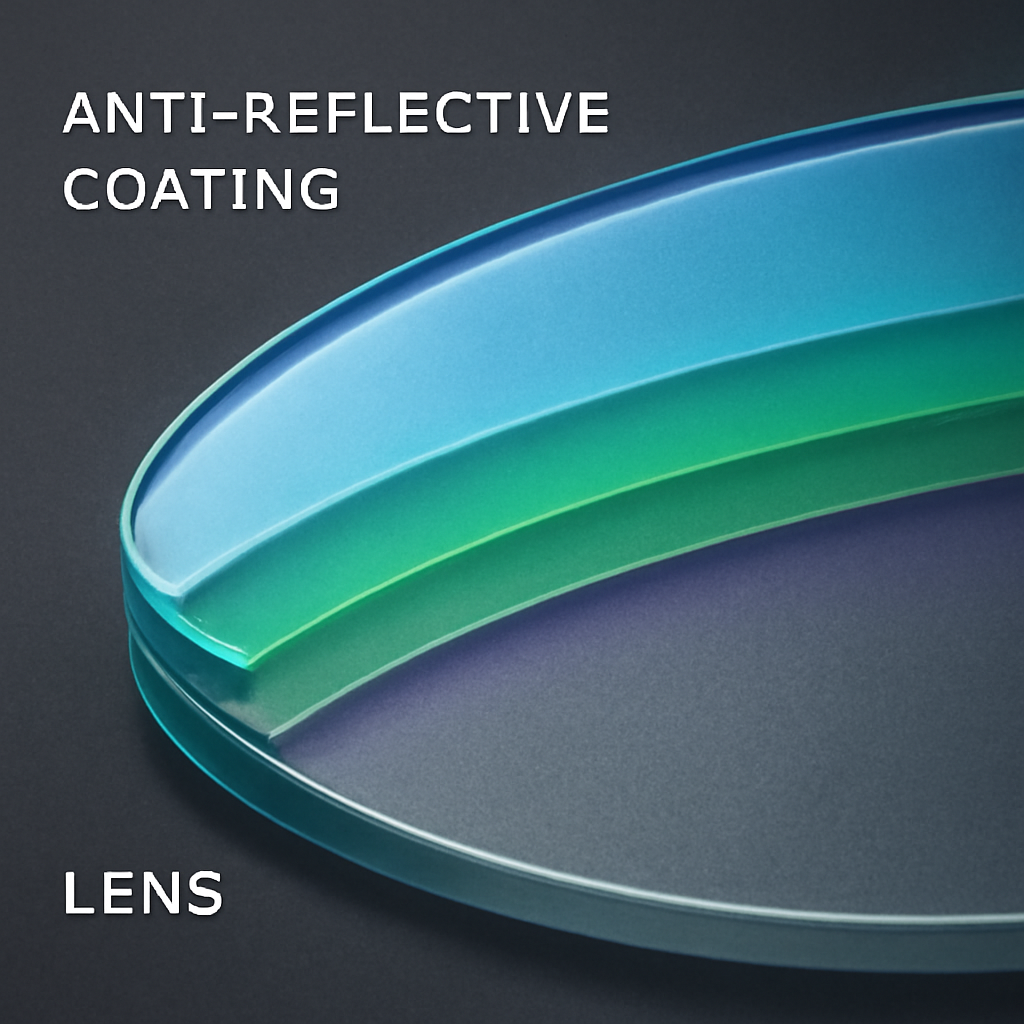
Polarization can be built in, cutting glare off water or snow—perfect if you ski or fish. Anti‑reflective coating keeps the back surface from bouncing light, making screen time easier and the lenses look almost invisible in photos.
And yes, every quality photochromic lens blocks 100 % UVA/UVB, even when clear. That constant UV shield is the hidden health benefit that most people overlook.
Larger frames give more coverage, reducing stray light around the edges. Wraparound sport frames pair nicely with polycarbonate lenses for hiking or cycling. If you love a vintage rectangular shape, high‑index lenses keep the profile slim.
When you try them on, tilt your head side‑to‑side. Do you see any dark corners? If so, a bigger frame or a different material might solve it.
During your eye exam, bring up your typical day: “I drive to work, then walk the dog, then hit the gym.” Your optician can map that routine to a lens recommendation—maybe a polycarbonate with visible‑light activation and AR coating.
Don’t forget to ask about warranty and how long the photochromic performance lasts. Most lenses keep their speed for two to three years, then the tint may lag a bit.
Bottom line? Choose a material that matches your activity level, a darkening speed that feels natural, and a shade that protects without over‑darkening. When you line those pieces up, the “one‑pair‑does‑it‑all” promise finally feels realistic.
If you want a concise rundown of the different lens options and what they mean for you, check out this photochromic lens guide.
We get it—your photochromic lenses are the workhorse that flips from clear to shade while you hustle between meetings, coffee shops, and the car. If you treat them like any other pair of glasses, they’ll keep up for years. If you’re sloppy, you might notice slower darkening or tiny scratches that ruin the vibe.
Every time the lenses react to UV, the embedded molecules flex a little. Over time that flexing can wear out faster if the surface is constantly exposed to grit, oil, or harsh chemicals. In plain terms, a dirty or scratched lens won’t absorb light as efficiently, so you could end up with a lighter tint on a bright day—defeating the whole point of going photochromic.
That’s why a simple daily routine can add years to the life of your adaptive glasses. Think of it like brushing your teeth: you wouldn’t skip it because you only need it occasionally, right?
1. Wash your hands. Use a fragrance‑free liquid soap and dry with a lint‑free towel. This removes oils that could smear the lenses later.
2. Rinse with lukewarm water. A gentle stream washes away dust that might otherwise scratch the coating when you rub the surface.
3. Apply a tiny drop of soap. Make sure the soap doesn’t contain moisturizers. Dab a drop onto each lens and use your fingertips to spread it evenly, covering the frames, nose pads, and hinges.
4. Rinse thoroughly. Any leftover soap will leave streaks once the lenses dry.
5. Shake off excess water. Then pat dry with a clean microfiber cloth. If streaks persist, give the lens a second gentle wipe—never use paper towels or your shirt.
Following these five steps once a day keeps the lenses clear and the photochromic reaction fast. The advice comes straight from a trusted eye‑care guide that outlines exactly this routine cleaning and care guide for transition lenses.
And here’s a quick checklist you can stick on the back of your case:
When you glance at the list before you head out, you’ll feel confident that your lenses are ready for whatever light throws at them.

When you’re not wearing them, avoid laying the glasses face‑down on a table. Even a thin layer of dust can create micro‑scratches over weeks. Instead, pop them into their hard case, lenses up. If you’re in a rush and have to set them down, place them on a clean, flat surface with the temples open so the front stays protected.
Temperature plays a sneaky role, too. On a scorching summer day, the lenses will darken more deeply, but they also retain that darker state a bit longer after you go indoors. If you store them in a hot car, you might notice a faint residual tint the next morning. The simplest fix? Keep the case in the shade or the glove compartment, not the dashboard.
Never use household cleaners, window spray, or hand sanitizer on the lenses. Those chemicals can eat away at the photochromic coating and the anti‑reflective layer that many of us add for screen work. Also, skip the “rinse‑and‑dry” trick where you blast the lenses with hot water—high temperatures can warp the plastic and affect the speed of the tint change.
If you drive a lot, remember that most windshields block UV, so the lenses stay mostly clear behind the glass. For those moments, a clip‑on polarized shade or a dedicated pair of prescription sunglasses is still a good idea. Dr. Gregory Cox notes that many patients combine photochromic lenses with a separate pair for driving to cover that UV‑gap photochromic lens overview from Dr. Cox.
Bottom line? Treat your adaptive lenses like a premium piece of tech—clean them gently, store them smart, and give them a break from extreme heat. With that routine, you’ll keep the darkening speed snappy, the UV protection solid, and the style factor intact for years to come.
When you ask yourself, “what are photochromic lenses and which ones actually work for me?” the answer isn’t just “pick any.” Different brands tune the chemistry, the plastic matrix, and even the coating stack to meet specific lifestyle needs. That’s why we like to break it down in plain English – no jargon, just the stuff that matters when you’re juggling a morning commute, a kids’ soccer game, and a weekend hike.
Below you’ll find a quick snapshot of three of the most talked‑about families: Transitions® Gen 8, XTRActive (by the same company), and Zeiss PhotoFusion. Each has a sweet spot, and you’ll see why one might feel like a perfect fit while another leaves you wishing for a darker shade.
Transitions® Gen 8 – the mainstream workhorse. These lenses darken to about 80 % of a Category 3 shade in bright sun, and they do it in roughly 30 seconds. The chemistry is optimized for indoor‑to‑outdoor switches, so you won’t notice a lag when you step onto a patio. If you spend most of your day indoors and only pop outside for coffee runs, Gen 8 feels like a seamless side‑kick.
XTRActive – the driver’s secret weapon. Regular photochromics rely on UV, which most windshields block. XTRActive adds a visible‑light‑responsive component, so the lenses still darken behind a car’s glass. The shade stays a bit deeper than standard lenses, which many road‑warriors say reduces glare on long highway stretches. The trade‑off? A slightly slower darkening time (about 45 seconds) and a marginally higher price.
Zeiss PhotoFusion – the premium‑performance option. Zeiss claims one of the best blue‑light filter rates in the industry, plus a very even tint across the entire lens surface. The transition speed is comparable to Gen 8, but the lenses retain a cooler hue that’s popular among designers who need accurate colour rendering. The downside? It’s typically only offered in gray, so you lose the brown‑contrast option that some outdoor enthusiasts love.
So, which brand lines up with your daily rhythm? Here’s a quick way to decide:
Take Maya, a freelance photographer who spends mornings in a studio (soft lighting) and afternoons chasing outdoor shoots. She tried Gen 8 first, but noticed a slight colour shift when the lenses hit their darkest setting. Switching to Zeiss PhotoFusion gave her the colour fidelity she needed without sacrificing the convenience of a single pair.
Then there’s Dan, a delivery driver who logs 200 miles a day. He complained that his lenses stayed stubbornly light inside the cab. After a quick chat with his optician, he upgraded to XTRActive. The lenses now darken enough to cut glare off the windshield, and he reports fewer eye‑fatigue headaches on long routes.
Finally, think of Laura, a busy mom who shuttles kids between school and soccer practice. She values speed above all – the kids are always sprinting from the car to the field. The 30‑second darkening of Gen 8 means she never has to pause and squint, and the lenses stay clear enough for reading bedtime stories later.
| Brand | Material focus | Darkening speed | Outdoor shade (Category) | Special feature |
|---|---|---|---|---|
| Transitions® Gen 8 | Polycarbonate & high‑index | ≈30 seconds | Cat 3 (up to 80 % tint) | Fastest mainstream transition |
| XTRActive | Polycarbonate | ≈45 seconds | Cat 3 (visible‑light‑active) | Works behind UV‑blocking windshields |
| Zeiss PhotoFusion | High‑index glass or polycarbonate | ≈30 seconds | Cat 3 (gray only) | Top blue‑light filtration, uniform tint |
Bottom line? The “best” brand is the one that aligns with how you actually live. Take a minute at your next eye exam to run through the checklist, ask about visible‑light activation if you drive a lot, and don’t forget to consider colour preferences for your style. When the right pair clicks into place, you’ll notice the difference instantly – literally, as the lenses darken the moment you step outside.
Photochromic lenses are glasses that automatically change colour when they sense ultraviolet (UV) light. Tiny molecules inside the lens rearrange themselves when UV hits them, which makes the lens absorb more visible light and turn gray or brown. When you go back indoors and the UV disappears, the molecules snap back to their original shape, so the lenses become clear again. It’s like the lenses have a built‑in light switch that flips itself.
Most standard photochromic lenses rely on UV, and modern windshields block most of that UV, so the lenses stay lighter inside a car. Some newer formulas, like XTRActive, also react to visible blue light, so they still darken a bit behind glass. If you spend a lot of time driving, ask your optician for a visible‑light‑active option to avoid the “almost clear” feeling on the road.
Typical lenses reach about 80 % of their maximum tint in 30‑45 seconds after stepping into bright sunlight. The exact speed depends on the brand and the material – polycarbonate tends to be a touch faster than high‑index plastics. The fade‑back time is slower, usually 1‑2 minutes, because the molecules need a little extra time to relax once the UV source drops.
Yes, you’ll find gray, brown, and even green or amber versions. Gray preserves true colour, which is great for designers or anyone who wants accurate hues. Brown adds contrast and can make cloudy days feel clearer, while green or amber are popular for outdoor enthusiasts who need extra depth perception. Pick the shade that matches both your style and the lighting conditions you encounter most.
Absolutely. Photochromic technology is added to the same materials used for regular prescription lenses – polycarbonate, high‑index plastic, or even glass. That means you can get single‑vision, bifocal, or progressive lenses that also adapt to light. The result is one pair that handles both vision correction and sun protection, so you don’t have to juggle separate glasses for indoor and outdoor use.
Treat them like any other pair of glasses: clean with a lint‑free microfiber cloth and a gentle, non‑moisturizing soap. Rinse with lukewarm water before wiping to avoid scratching the surface. Store them in a hard case when you’re not wearing them, and keep them out of extreme heat – a hot car can leave a faint residual tint that takes a while to fade. Regular care keeps the molecules flexible and the transition speed snappy.
Start with your daily routine. If you’re mostly indoors with occasional outdoor bursts, a fast‑darkening polycarbonate like Transitions® Gen 8 works well. If you drive a lot, ask for a visible‑light‑active option such as XTRActive. For strong prescriptions, high‑index material keeps the lenses thin and light. Finally, consider colour preference and any extra features like polarization or anti‑reflective coating – they can make a big difference in comfort and style.
If you’ve made it this far, you probably know that photochromic lenses are more than a neat trick – they’re a daily comfort upgrade.
We’ve seen how the material (polycarbonate, high‑index, glass) shapes weight, how darkening speed matches your rush‑hour routine, and why shade level matters for everything from a coffee run to a mountain hike.
So, what are photochromic lenses at their core? Tiny molecules that flex under UV or visible light, turning clear glass into a built‑in pair of sunglasses and back again, all while blocking 100 % of harmful rays.
Remember the three quick checks: material that fits your prescription, activation speed that feels natural, and shade level that protects without over‑darkening.
Got a busy schedule? Pair a fast‑darkening Transitions® Gen 8 with an anti‑reflective coating and you’ll never hunt for a second pair again.
Driving a lot? XTRActive’s visible‑light response keeps the glare down even behind a windshield.
Need colour fidelity for design work? Zeiss PhotoFusion gives you a neutral gray tint and top‑tier blue‑light filtration.
Bottom line: choose the lens that mirrors your day, keep them clean, store them right, and you’ll enjoy crisp vision from sunrise to sunset. Ready to upgrade? Browse our selection and let your eyes do the rest.